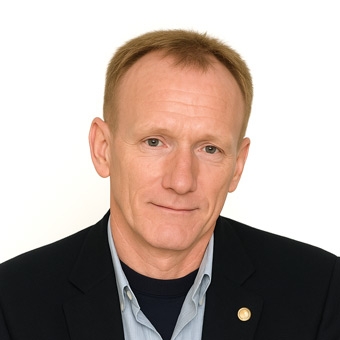
New York Fed signals rates to stay on hold as Williams says inflation has peaked

A fresh decline in consumer prices is reinforcing the case for the Federal Reserve to keep borrowing costs unchanged as officials weigh whether this year's inflation surge is starting to fade. New York Fed President John Williams says price pressures should ease in coming quarters, even as markets continue to price in a possible rate increase later this year.
Highlights
- New York Fed President John Williams signals rates to stay on hold, citing five reasons inflation has likely peaked and policy is restrictive enough.
- Williams projects headline inflation will fall to about 3.25 percent by year-end and reach the 2 percent target in 2028, as economic growth and labor market remain stable.
- June consumer prices dropped 0.4 percent versus May, reducing annual inflation to 3.5 percent, the biggest monthly decline since April 2020 but still above the Fed’s target.
Williams sets out case for steady policy
As reported by CNBC, Williams tells business leaders in New York that he sees five reasons inflation has likely reached its high point, supporting a view that monetary policy is already restrictive enough. He says the current stance of interest rates is well positioned to bring inflation back toward the Federal Reserve's 2 percent longer-run target.Williams says overall inflation should decline to about 3.25 percent by the end of the year, then continue moving toward 2 percent in 2027 and reach that goal in 2028. He says economic growth remains solid and on trend, while the labor market is stable and not acting as a major source of inflation pressure.
He points to the war-driven oil spike, lingering tariff effects and heavy artificial intelligence spending as the main reasons prices rose sharply this year after U.S. and Israel attacked Iran in late February. Still, he says those forces are starting to ease, with no significant new tariff impulse expected, oil likely to move closer to pre-conflict levels and supply conditions around AI investment improving over time.
Market expectations and inflation backdrop
Williams' comments come as investors still expect the Fed to raise rates as soon as September. His stance also differs slightly from the June projections of his colleagues on the Federal Open Market Committee, where a narrow majority still indicates one quarter-point increase by year-end.The policy debate follows new data from the Bureau of Labor Statistics showing consumer prices fall 0.4 percent in June from the previous month, bringing annual inflation down to 3.5 percent. That is the sharpest monthly decline since April 2020, but it still leaves inflation well above the central bank's target and keeps pressure on officials to show that price gains are moving down on a sustained basis.
In our earlier coverage of the June U.S. CPI slowdown, we noted that the softer inflation reading encouraged Fed officials but did not yet give them enough confidence to declare price pressures fully under control. We also highlighted how markets dialed back expectations for a July rate hike while still leaning toward a possible move later, as policymakers looked for several more months of supportive data.


Latest Bank of Canada News







-
 Afghanistan
-
 Albania
-
 Algeria
-
 Angola
-
 Argentina
-
 Armenia
-
 Australia
-
 Austria
-
 Azerbaijan
-
 Bahamas
-
 Bahrain
-
 Bangladesh
-
 Belarus
-
 Belgium
-
 Bolivia
-
 Botswana
-
 Brazil
-
 Brunei
-
 Bulgaria
-
 Cambodia
-
 Cameroon
-
 Canada
-
 Chile
Chile
-
 China
China
-
 Colombia
-
 Congo
Congo
-
 Costa Rica
-
 Cote d'Ivoire
-
 Croatia
-
 Cuba
Cuba
-
 Cyprus
-
 Czechia
-
 DR Congo
-
 Denmark
-
 Dominican Republic
-
 Ecuador
-
 Egypt
Egypt
-
 El Salvador
-
 Estonia
-
 Eswatini
-
 Ethiopia
-
 Finland
-
 France
-
 Georgia
-
 Germany
-
 Ghana
Ghana
-
 Greece
-
 Haiti
Haiti
-
 Hong Kong
-
 Hungary
-
 India
India
-
 Indonesia
-
 Iran, Islamic republic
-
 Iraq
Iraq
-
 Ireland
-
 Israel
-
 Italy
Italy
-
 Jamaica
-
 Japan
Japan
-
 Jordan
-
 Kazakhstan
-
 Kenya
Kenya
-
 Korea
Korea
-
 Kuwait
-
 Kyrgyzstan
-
 Laos
Laos
-
 Latvia
-
 Lebanon
-
 Lesotho
-
 Libya
Libya
-
 Lithuania
-
 Luxembourg
-
 Madagascar
-
 Malaysia
-
 Malta
Malta
-
 Mauritius
-
 Mexico
-
 Moldova
-
 Mongolia
-
 Montenegro
-
 Morocco
-
 Mozambique
-
 Myanmar
-
 Namibia
-
 Nepal
Nepal
-
 Netherlands
-
 New Zealand
-
 Nigeria
-
 North Macedonia
-
 Norway
-
 Oman
Oman
-
 Pakistan
-
 Palestine
-
 Panama
-
 Papua New Guinea
-
 Paraguay
-
 Peru
Peru
-
 Philippines
-
 Poland
-
 Portugal
-
 Puerto Rico
-
 Qatar
Qatar
-
 Reunion
-
 Romania
-
 Rwanda
-
 Saudi Arabia
-
 Serbia
-
 Singapore
-
 Slovakia
-
 Slovenia
-
 Somalia
-
 South Africa
-
 Spain
Spain
-
 Sri Lanka
-
 Sweden
-
 Switzerland
-
 Syria
Syria
-
 Taiwan
-
 Tajikistan
-
 Tanzania
-
 Thailand
-
 Trinidad and Tobago
-
 Tunisia
-
 Turkey
-
 UAE
UAE
-
 Uganda
-
 Ukraine
-
 United Kingdom
-
United States
-
 Uruguay
-
 Uzbekistan
-
 Venezuela
-
 Vietnam
-
 Yemen
Yemen
-
 Zambia
-
 Zimbabwe
- Forex
- Crypto











