U.S. State Department elevates leftwing extremism in counterterror push
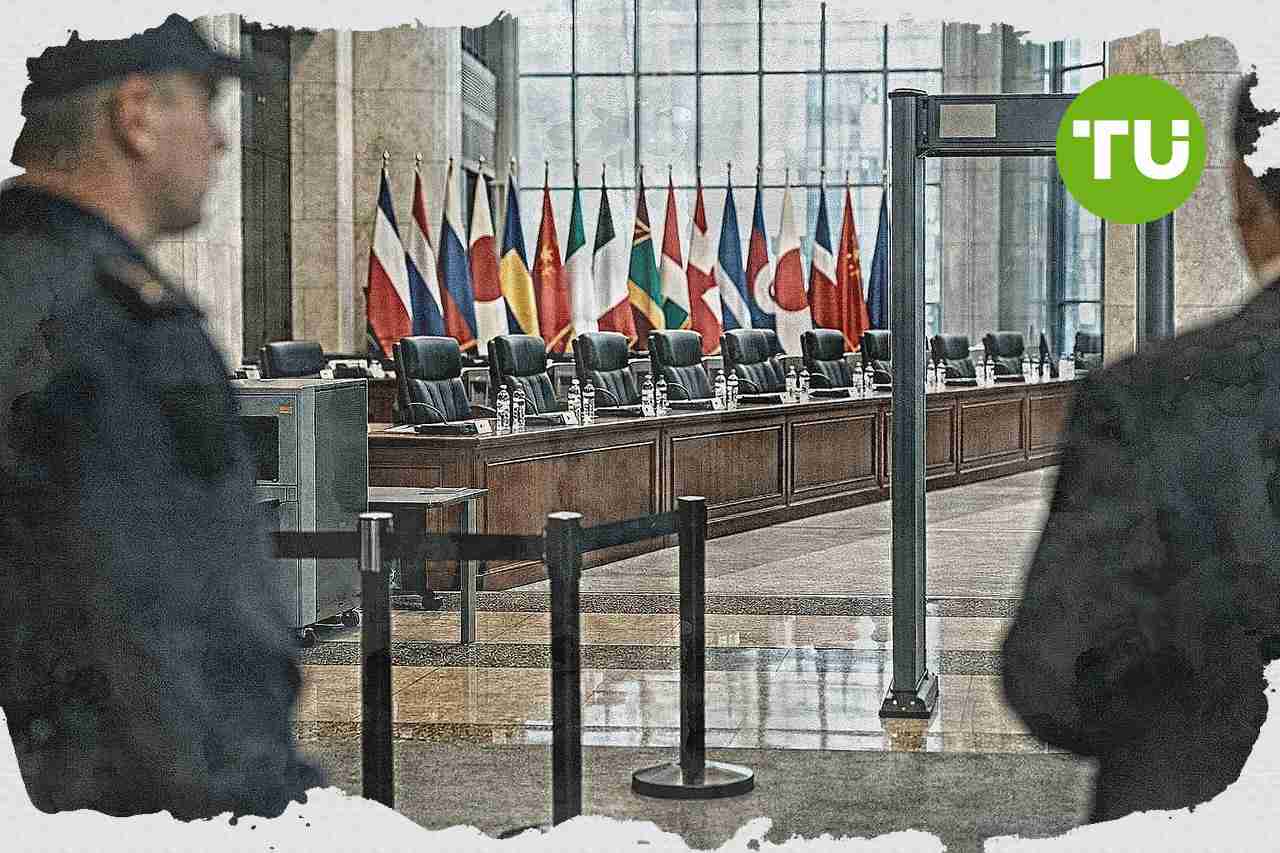
The Trump administration is sharpening its counterterrorism focus on leftwing political violence through an international summit hosted by the U.S. State Department. The initiative is drawing scrutiny from critics and Democratic lawmakers, who say the government has not shown evidence that justifies shifting attention away from other extremist threats.
Highlights
- The U.S. State Department's counterterrorism summit, attended by officials from over 60 countries, elevates leftwing extremism as a central security threat.
- In November, the administration designates four European leftwing groups as foreign terrorist organisations and offers up to $10 million in rewards for information on their financing.
- Critics, including Democrats and the ACLU, warn the administration's focus on leftwing violence lacks supporting data and may threaten political and civil liberties.
Summit puts policy focus on leftwing violence
As reported by Financial Times, White House deputy chief of staff Stephen Miller tells an international summit convened by the U.S. State Department that leftwing political violence is a "fatal cancer to civilisation" and warns that unchecked movements of that kind lead to repression and terror.The gathering is attended by senior officials from more than 60 countries in Europe and Latin America. Secretary of state Marco Rubio, who is presiding over the summit, describes leftwing terrorism as a "distinctive and unique evil" and says it is driven by hatred for civilisation itself.
Administration officials argue that violence from the left remains a blind spot in international counterterror efforts, which have historically concentrated on Islamist extremism and far-right groups. The issue gains prominence after the assassination last year of conservative activist Charlie Kirk.
A White House counterterrorism strategy released earlier this year describes leftwing extremism as "anti-American, radically pro-transgender, and anarchist". It lists leftwing terror as a prime threat alongside transnational drug gangs and Islamist groups, while making no mention of violence by far-right groups.
In November, the administration designates four European leftwing groups as foreign terrorist organisations and offers rewards of up to $10 million for information on their financing mechanisms.
Political and civil liberties concerns intensify
Critics warn that the administration's emphasis on leftwing violence could expand the use of broad counterterror powers against political opponents and civil society groups.Democrats on the House foreign affairs committee send a letter to Rubio on Wednesday questioning the State Department's focus and accusing the administration of failing to provide supporting data. They say prioritising far-left extremism over other forms of violent extremism is troubling, and note that the department's mandate does not extend to countering leftwing groups inside the U.S.
The American Civil Liberties Union warned last year that a presidential memorandum signed by Donald Trump in September on domestic terrorism and political violence could be used to target critics. Hina Shamsi, who leads the group's national security project, says the categories of terrorism and political violence are vulnerable to political, ideological and racial manipulation.
An analysis released last year by the Center for Strategic and International Studies finds that leftwing violence in the U.S. has risen over the past decade, particularly after Trump's entry into politics in 2016. The report also says those attacks are markedly less lethal than violence carried out by rightwing extremists or jihadis.
In our earlier article on the State Department’s new visa restriction policy targeting far-left terrorist and aligned groups, we explained how the U.S. aims to block entry for foreign nationals linked to networks involved in terrorism, violent crime, or economic sabotage. We also outlined the legal basis and broader security rationale behind the move, while noting that critics warn such counterterror tools could be applied too broadly and raise civil-liberties concerns.







-
 Afghanistan
-
 Albania
-
 Algeria
-
 Angola
-
 Argentina
-
 Armenia
-
 Australia
-
 Austria
-
 Azerbaijan
-
 Bahamas
-
 Bahrain
-
 Bangladesh
-
 Belarus
-
 Belgium
-
 Bolivia
-
 Botswana
-
 Brazil
-
 Brunei
-
 Bulgaria
-
 Cambodia
-
 Cameroon
-
 Canada
-
 Chile
Chile
-
 China
China
-
 Colombia
-
 Congo
Congo
-
 Costa Rica
-
 Cote d'Ivoire
-
 Croatia
-
 Cuba
Cuba
-
 Cyprus
-
 Czechia
-
 DR Congo
-
 Denmark
-
 Dominican Republic
-
 Ecuador
-
 Egypt
Egypt
-
 El Salvador
-
 Estonia
-
 Eswatini
-
 Ethiopia
-
 Finland
-
 France
-
 Georgia
-
 Germany
-
 Ghana
Ghana
-
 Greece
-
 Haiti
Haiti
-
 Hong Kong
-
 Hungary
-
 India
India
-
 Indonesia
-
 Iran, Islamic republic
-
 Iraq
Iraq
-
 Ireland
-
 Israel
-
 Italy
Italy
-
 Jamaica
-
 Japan
Japan
-
 Jordan
-
 Kazakhstan
-
 Kenya
Kenya
-
 Korea
Korea
-
 Kuwait
-
 Kyrgyzstan
-
 Laos
Laos
-
 Latvia
-
 Lebanon
-
 Lesotho
-
 Libya
Libya
-
 Lithuania
-
 Luxembourg
-
 Madagascar
-
 Malaysia
-
 Malta
Malta
-
 Mauritius
-
 Mexico
-
 Moldova
-
 Mongolia
-
 Montenegro
-
 Morocco
-
 Mozambique
-
 Myanmar
-
 Namibia
-
 Nepal
Nepal
-
 Netherlands
-
 New Zealand
-
 Nigeria
-
 North Macedonia
-
 Norway
-
 Oman
Oman
-
 Pakistan
-
 Palestine
-
 Panama
-
 Papua New Guinea
-
 Paraguay
-
 Peru
Peru
-
 Philippines
-
 Poland
-
 Portugal
-
 Puerto Rico
-
 Qatar
Qatar
-
 Reunion
-
 Romania
-
 Rwanda
-
 Saudi Arabia
-
 Serbia
-
 Singapore
-
 Slovakia
-
 Slovenia
-
 Somalia
-
 South Africa
-
 Spain
Spain
-
 Sri Lanka
-
 Sweden
-
 Switzerland
-
 Syria
Syria
-
 Taiwan
-
 Tajikistan
-
 Tanzania
-
 Thailand
-
 Trinidad and Tobago
-
 Tunisia
-
 Turkey
-
 UAE
UAE
-
 Uganda
-
 Ukraine
-
 United Kingdom
-
United States
-
 Uruguay
-
 Uzbekistan
-
 Venezuela
-
 Vietnam
-
 Yemen
Yemen
-
 Zambia
-
 Zimbabwe
- Forex
- Crypto











