
U.S. election security concerns intensify as Trump alleges China meddling risk
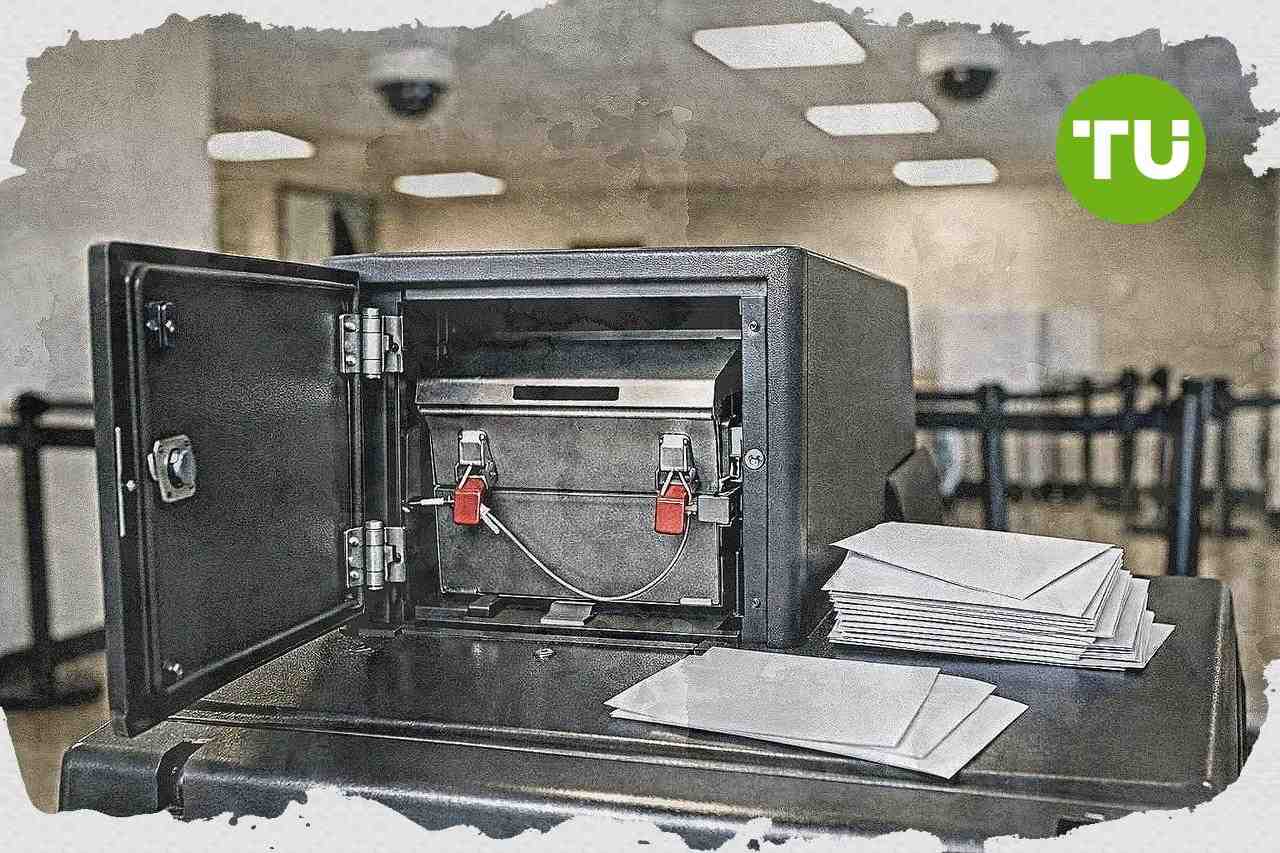
With the U.S. midterm elections approaching, debate over election security is sharpening amid fresh claims about foreign interference. Donald Trump says on July 16 that China is trying to meddle in the upcoming vote and warns that weaknesses in the electoral system could threaten the integrity of the process.
Highlights
- Trump asserted on July 16 that China poses 'shocking vulnerabilities' to the U.S. election system, urging increased vigilance ahead of midterms.
- His allegations intensify demands on U.S. political institutions to address operational and security risks before the upcoming national vote.
- Election security and concerns over foreign meddling continue to influence U.S. policy debates and regulatory discussions in the lead-up to midterms.
Trump raises election system concerns
As reported by Financial Times, Trump describes what he calls "shocking vulnerabilities" in the U.S. electoral system in a July 16 statement and accuses China of attempting to influence the coming midterm elections.He says the alleged interference risks undermining confidence in the voting process and argues that stronger vigilance is needed against outside influence. Trump also says measures must be taken to secure election infrastructure as campaigning moves closer to the midterms.
Political and policy implications before the midterms
The accusation emerges as election security remains a broader issue in Washington and across U.S. politics. Concerns about foreign meddling, voting safeguards and the resilience of electoral systems continue to shape policy debate ahead of the national vote.The latest remarks add to pressure on political institutions to address operational and security risks around the election process. They also keep attention on how foreign policy tensions can spill into domestic political and regulatory discussions during an active campaign period.
In our earlier article on the U.S. State Department’s new visa restriction policy targeting far-left terrorist and aligned groups, we explained how the measures aim to block entry for foreign nationals linked to networks accused of supporting terrorism, violent crime, or economic sabotage. We also noted that officials framed the policy as part of a broader effort to prevent foreign-linked extremist networks from exploiting immigration channels to undermine U.S. security and disrupt political processes.


Latest USA News






-
 Afghanistan
-
 Albania
-
 Algeria
-
 Angola
-
 Argentina
-
 Armenia
-
 Australia
-
 Austria
-
 Azerbaijan
-
 Bahamas
-
 Bahrain
-
 Bangladesh
-
 Belarus
-
 Belgium
-
 Bolivia
-
 Botswana
-
 Brazil
-
 Brunei
-
 Bulgaria
-
 Cambodia
-
 Cameroon
-
 Canada
-
 Chile
Chile
-
 China
China
-
 Colombia
-
 Congo
Congo
-
 Costa Rica
-
 Cote d'Ivoire
-
 Croatia
-
 Cuba
Cuba
-
 Cyprus
-
 Czechia
-
 DR Congo
-
 Denmark
-
 Dominican Republic
-
 Ecuador
-
 Egypt
Egypt
-
 El Salvador
-
 Estonia
-
 Eswatini
-
 Ethiopia
-
 Finland
-
 France
-
 Georgia
-
 Germany
-
 Ghana
Ghana
-
 Greece
-
 Haiti
Haiti
-
 Hong Kong
-
 Hungary
-
 India
India
-
 Indonesia
-
 Iran, Islamic republic
-
 Iraq
Iraq
-
 Ireland
-
 Israel
-
 Italy
Italy
-
 Jamaica
-
 Japan
Japan
-
 Jordan
-
 Kazakhstan
-
 Kenya
Kenya
-
 Korea
Korea
-
 Kuwait
-
 Kyrgyzstan
-
 Laos
Laos
-
 Latvia
-
 Lebanon
-
 Lesotho
-
 Libya
Libya
-
 Lithuania
-
 Luxembourg
-
 Madagascar
-
 Malaysia
-
 Malta
Malta
-
 Mauritius
-
 Mexico
-
 Moldova
-
 Mongolia
-
 Montenegro
-
 Morocco
-
 Mozambique
-
 Myanmar
-
 Namibia
-
 Nepal
Nepal
-
 Netherlands
-
 New Zealand
-
 Nigeria
-
 North Macedonia
-
 Norway
-
 Oman
Oman
-
 Pakistan
-
 Palestine
-
 Panama
-
 Papua New Guinea
-
 Paraguay
-
 Peru
Peru
-
 Philippines
-
 Poland
-
 Portugal
-
 Puerto Rico
-
 Qatar
Qatar
-
 Reunion
-
 Romania
-
 Rwanda
-
 Saudi Arabia
-
 Serbia
-
 Singapore
-
 Slovakia
-
 Slovenia
-
 Somalia
-
 South Africa
-
 Spain
Spain
-
 Sri Lanka
-
 Sweden
-
 Switzerland
-
 Syria
Syria
-
 Taiwan
-
 Tajikistan
-
 Tanzania
-
 Thailand
-
 Trinidad and Tobago
-
 Tunisia
-
 Turkey
-
 UAE
UAE
-
 Uganda
-
 Ukraine
-
 United Kingdom
-
United States
-
 Uruguay
-
 Uzbekistan
-
 Venezuela
-
 Vietnam
-
 Yemen
Yemen
-
 Zambia
-
 Zimbabwe
- Forex
- Crypto











