

U.S. Senate advances Russia sanctions bill targeting oil and gas buyers
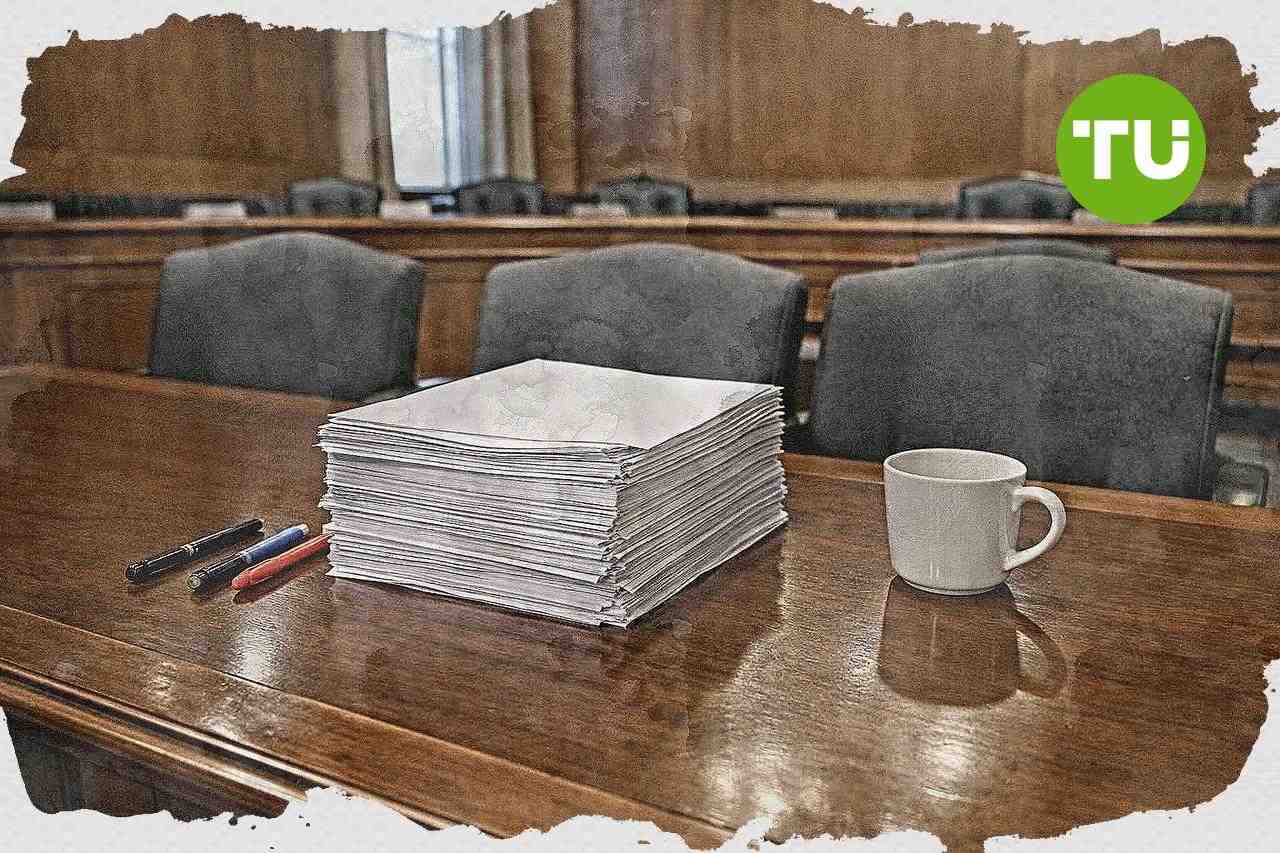
A bipartisan group of more than 60 U.S. senators is announcing agreement text on legislation aimed at increasing economic pressure on Russia over its war in Ukraine. The measure includes sanctions on Russian entities and supporters, and would let the president impose tariffs of up to 100 percent on major importers of Russian oil and gas.
Highlights
- U.S. Senate advances Sanctioning Russia Act imposing primary and secondary sanctions on Russian officials, oligarchs, banks, the shadow fleet, and foreign actors aiding sanctions evasion.
- The legislation requires the president to levy tariffs of up to 100 percent specifically on the five largest importers of Russian crude oil and gas.
- Broad bipartisan support positions the bill to significantly tighten economic pressure on Russia and countries such as China facilitating its energy revenue streams.
Legislative text sets out sanctions and tariff plan
As reported by Senate Foreign Relations Committee, citing Senate Committee on Finance Majority Press, senators led by Jim Risch, Darline Graham and Richard Blumenthal are unveiling the text of an agreement negotiated with Senator Lindsey Graham and the White House on the Sanctioning Russia Act.The proposal would impose primary and secondary sanctions on Russia and on actors supporting Russia’s war in Ukraine. It targets Russian officials, oligarchs, their family members, foreign persons, Russian banks and financial institutions, as well as the Russian shadow fleet.
The legislation also directs the president to impose tariffs of up to 100 percent on imported goods from countries that buy the majority of Russian oil and gas and enable sanctions evasion. The new text limits those tariffs to the five largest importers of Russian crude oil and gas.
Broad bipartisan backing and geopolitical pressure
Supporters say the bill is intended to raise the cost of financing Moscow’s war economy at a moment they describe as critical in the conflict. Lawmakers backing the measure argue that added sanctions pressure could alter the Kremlin’s calculations and strengthen U.S. leverage in efforts to end the war.Risch says he supports new sanctions on key sectors of Russia’s war economy, including the shadow fleet, and penalties on countries such as China that he says help fund the war. Blumenthal says the bill has emerged from lengthy bipartisan negotiations and now carries broad support, while Darline Graham says passage would honor Lindsey Graham’s focus on the legislation and give President Trump added leverage.
The bill is backed by a wide group of senators from both parties, including Senate Majority Leader John Thune, Jeanne Shaheen, Dick Durbin, Roger Wicker, Chris Coons, Sheldon Whitehouse, Chuck Grassley, Michael Bennet and others. Shaheen says the measure would tighten economic pressure on Russia by restricting export markets for the energy revenues that fund its military campaign.
We previously reported on Ukraine’s wartime defense leadership shake-up, after President Volodymyr Zelenskyy dismissed Defense Minister Mykhailo Fedorov amid concerns about continuity in defense planning. The move, sensitive because of Fedorov’s close association with Ukraine’s drone program, sparked public protests and political criticism over potential impacts on battlefield innovation, military effectiveness, and morale.







-
 Afghanistan
-
 Albania
-
 Algeria
-
 Angola
-
 Argentina
-
 Armenia
-
 Australia
-
 Austria
-
 Azerbaijan
-
 Bahamas
-
 Bahrain
-
 Bangladesh
-
 Belarus
-
 Belgium
-
 Bolivia
-
 Botswana
-
 Brazil
-
 Brunei
-
 Bulgaria
-
 Cambodia
-
 Cameroon
-
 Canada
-
 Chile
Chile
-
 China
China
-
 Colombia
-
 Congo
Congo
-
 Costa Rica
-
 Cote d'Ivoire
-
 Croatia
-
 Cuba
Cuba
-
 Cyprus
-
 Czechia
-
 DR Congo
-
 Denmark
-
 Dominican Republic
-
 Ecuador
-
 Egypt
Egypt
-
 El Salvador
-
 Estonia
-
 Eswatini
-
 Ethiopia
-
 Finland
-
 France
-
 Georgia
-
 Germany
-
 Ghana
Ghana
-
 Greece
-
 Haiti
Haiti
-
 Hong Kong
-
 Hungary
-
 India
India
-
 Indonesia
-
 Iran, Islamic republic
-
 Iraq
Iraq
-
 Ireland
-
 Israel
-
 Italy
Italy
-
 Jamaica
-
 Japan
Japan
-
 Jordan
-
 Kazakhstan
-
 Kenya
Kenya
-
 Korea
Korea
-
 Kuwait
-
 Kyrgyzstan
-
 Laos
Laos
-
 Latvia
-
 Lebanon
-
 Lesotho
-
 Libya
Libya
-
 Lithuania
-
 Luxembourg
-
 Madagascar
-
 Malaysia
-
 Malta
Malta
-
 Mauritius
-
 Mexico
-
 Moldova
-
 Mongolia
-
 Montenegro
-
 Morocco
-
 Mozambique
-
 Myanmar
-
 Namibia
-
 Nepal
Nepal
-
 Netherlands
-
 New Zealand
-
 Nigeria
-
 North Macedonia
-
 Norway
-
 Oman
Oman
-
 Pakistan
-
 Palestine
-
 Panama
-
 Papua New Guinea
-
 Paraguay
-
 Peru
Peru
-
 Philippines
-
 Poland
-
 Portugal
-
 Puerto Rico
-
 Qatar
Qatar
-
 Reunion
-
 Romania
-
 Rwanda
-
 Saudi Arabia
-
 Serbia
-
 Singapore
-
 Slovakia
-
 Slovenia
-
 Somalia
-
 South Africa
-
 Spain
Spain
-
 Sri Lanka
-
 Sweden
-
 Switzerland
-
 Syria
Syria
-
 Taiwan
-
 Tajikistan
-
 Tanzania
-
 Thailand
-
 Trinidad and Tobago
-
 Tunisia
-
 Turkey
-
 UAE
UAE
-
 Uganda
-
 Ukraine
-
 United Kingdom
-
United States
-
 Uruguay
-
 Uzbekistan
-
 Venezuela
-
 Vietnam
-
 Yemen
Yemen
-
 Zambia
-
 Zimbabwe
- Forex
- Crypto