Iraq seeks U.S. backing as Zaidi courts Washington amid Iran tensions
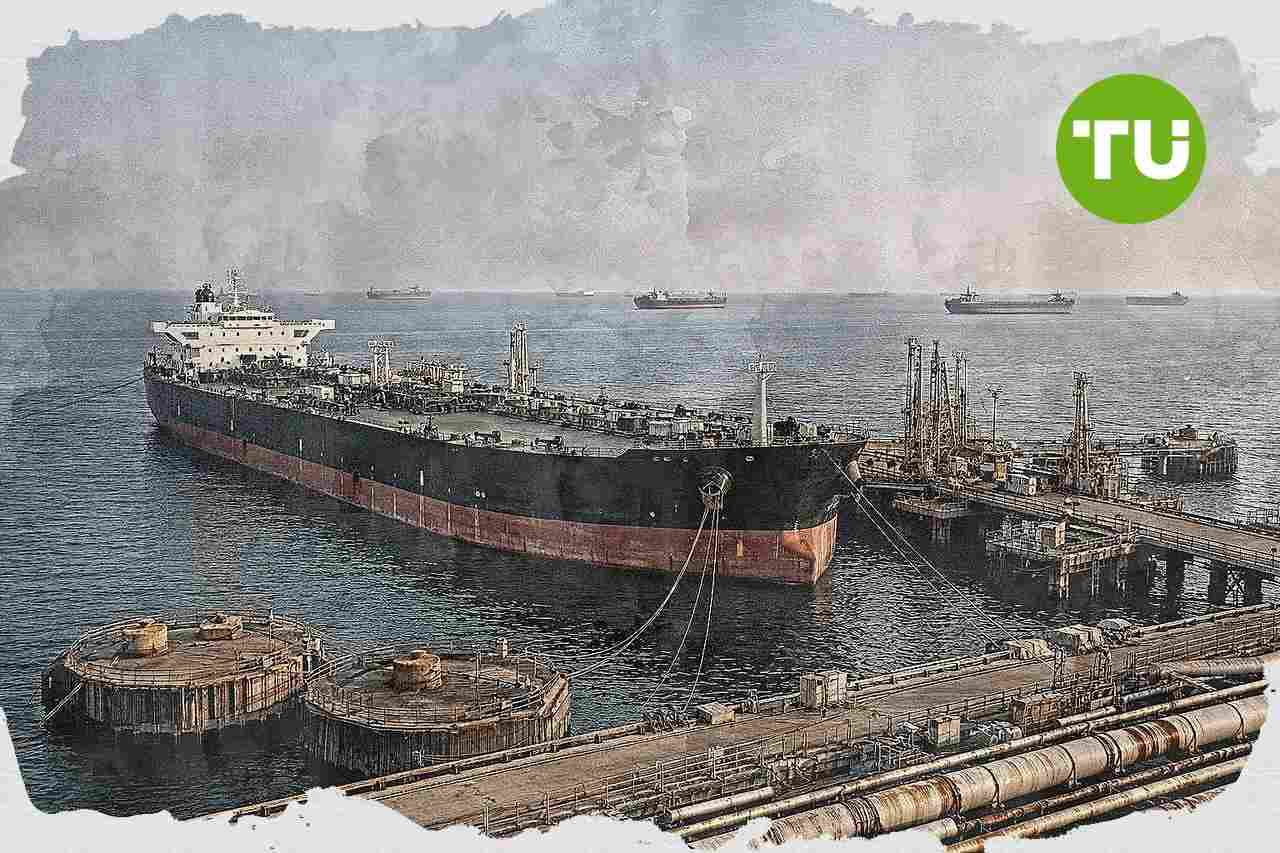
Iraq’s new prime minister, Ali al-Zaidi, is using an early visit to Washington to strengthen ties with the U.S. as Baghdad faces rising economic and geopolitical pressure from the U.S.-Iran confrontation. His outreach comes as Iraq cuts oil exports because of the Strait of Hormuz disruption and tries to preserve relations with both Washington and Tehran.
Highlights
- Zaidi's White House visit secures public praise from President Trump, signaling renewed Iraq-U.S. ties after strained relations under Mohammad Shia al-Sudani.
- Chevron and other U.S. oil executives discuss new Iraq pipeline investments to bypass the Strait of Hormuz, responding to export reductions exceeding half after recent disruptions.
- Zaidi pledges to disarm Iran-backed Shia militias but faces strong domestic resistance, causing U.S. lawmakers to doubt Iraq's ability to meet Washington's core objectives.
Washington outreach and investment agenda
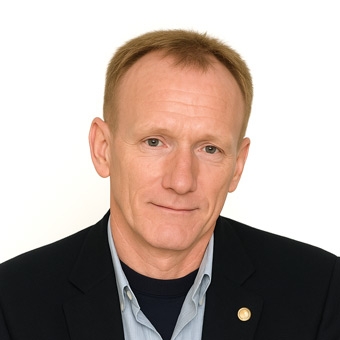
As reported by Financial Times, Zaidi’s White House visit is presented by U.S. and Iraqi officials as a successful effort to build direct rapport with President Donald Trump at a sensitive moment for Baghdad. Trump publicly praises Zaidi during their Oval Office meeting, and Iraqi officials view the encounter as a way to improve a relationship that had weakened under former prime minister Mohammad Shia al-Sudani.Zaidi, a 41-year-old businessman who recently takes office, is trying to show Washington that Iraq is aligned with key U.S. priorities while avoiding an open break with Tehran. He also meets executives from U.S. companies, including oil groups, to discuss potential investment in Iraq, including talks with Chevron on a possible pipeline network designed to bypass the Strait of Hormuz.
Analysts say this approach reflects a broader regional playbook for dealing with Trump, whose preference for personal chemistry and strongman-style politics shapes diplomatic outcomes. Zaidi’s supporters argue that this personal diplomacy could help Iraq secure defense funding and investment, even if the practical gains remain uncertain.
Balancing Iran ties and domestic constraints
Baghdad’s maneuvering is becoming harder since hostilities between the U.S. and Iran intensify in March and the Strait of Hormuz disruption hits Iraq’s oil-dependent economy. The closure forces Iraq to reduce oil exports by more than half, worsening a domestic financial crisis and increasing pressure on the new government.Zaidi pledges to disarm Shia militias tied to Iran-backed factions, but that promise faces major obstacles because many of those groups are entrenched political and military actors inside Iraq. Some militias signal willingness to integrate into the armed forces, but factions closest to Tehran refuse, raising doubts over whether Washington’s core objectives in Iraq can be achieved.
His position is further complicated by visible signs of Iranian influence, including his attendance at ceremonies linked to Ayatollah Ali Khamenei’s funeral before the Washington trip and an expected visit to Tehran soon. During the Oval Office meeting, Zaidi avoids endorsing criticism of Iran and instead shifts discussion toward economic ties and the planned September withdrawal of remaining U.S. troops, underscoring Baghdad’s effort to maintain both channels at once.
Some Republican lawmakers remain skeptical, arguing that Iraqi commitments on militias lack substance. Still, some analysts say the Trump administration may tolerate broad public pledges if they fit its strategic messaging, even when implementation on the ground remains doubtful.
In our earlier article on Chevron’s planned Iraq investments and pipeline participation, we covered reports that the company was preparing preliminary agreements for two major Iraqi oil fields and a new export route toward the Syrian coast. We also noted that the news supported bullish momentum in CVX shares, while technical indicators pointed to overbought conditions and the need for a clear breakout to extend gains.







-
 Afghanistan
-
 Albania
-
 Algeria
-
 Angola
-
 Argentina
-
 Armenia
-
 Australia
-
 Austria
-
 Azerbaijan
-
 Bahamas
-
 Bahrain
-
 Bangladesh
-
 Belarus
-
 Belgium
-
 Bolivia
-
 Botswana
-
 Brazil
-
 Brunei
-
 Bulgaria
-
 Cambodia
-
 Cameroon
-
 Canada
-
 Chile
Chile
-
 China
China
-
 Colombia
-
 Congo
Congo
-
 Costa Rica
-
 Cote d'Ivoire
-
 Croatia
-
 Cuba
Cuba
-
 Cyprus
-
 Czechia
-
 DR Congo
-
 Denmark
-
 Dominican Republic
-
 Ecuador
-
 Egypt
Egypt
-
 El Salvador
-
 Estonia
-
 Eswatini
-
 Ethiopia
-
 Finland
-
 France
-
 Georgia
-
 Germany
-
 Ghana
Ghana
-
 Greece
-
 Haiti
Haiti
-
 Hong Kong
-
 Hungary
-
 India
India
-
 Indonesia
-
 Iran, Islamic republic
-
 Iraq
Iraq
-
 Ireland
-
 Israel
-
 Italy
Italy
-
 Jamaica
-
 Japan
Japan
-
 Jordan
-
 Kazakhstan
-
 Kenya
Kenya
-
 Korea
Korea
-
 Kuwait
-
 Kyrgyzstan
-
 Laos
Laos
-
 Latvia
-
 Lebanon
-
 Lesotho
-
 Libya
Libya
-
 Lithuania
-
 Luxembourg
-
 Madagascar
-
 Malaysia
-
 Malta
Malta
-
 Mauritius
-
 Mexico
-
 Moldova
-
 Mongolia
-
 Montenegro
-
 Morocco
-
 Mozambique
-
 Myanmar
-
 Namibia
-
 Nepal
Nepal
-
 Netherlands
-
 New Zealand
-
 Nigeria
-
 North Macedonia
-
 Norway
-
 Oman
Oman
-
 Pakistan
-
 Palestine
-
 Panama
-
 Papua New Guinea
-
 Paraguay
-
 Peru
Peru
-
 Philippines
-
 Poland
-
 Portugal
-
 Puerto Rico
-
 Qatar
Qatar
-
 Reunion
-
 Romania
-
 Rwanda
-
 Saudi Arabia
-
 Serbia
-
 Singapore
-
 Slovakia
-
 Slovenia
-
 Somalia
-
 South Africa
-
 Spain
Spain
-
 Sri Lanka
-
 Sweden
-
 Switzerland
-
 Syria
Syria
-
 Taiwan
-
 Tajikistan
-
 Tanzania
-
 Thailand
-
 Trinidad and Tobago
-
 Tunisia
-
 Turkey
-
 UAE
UAE
-
 Uganda
-
 Ukraine
-
 United Kingdom
-
United States
-
 Uruguay
-
 Uzbekistan
-
 Venezuela
-
 Vietnam
-
 Yemen
Yemen
-
 Zambia
-
 Zimbabwe
- Forex
- Crypto











