
Energean cuts guidance and dividend as Middle East conflict weighs on outlook
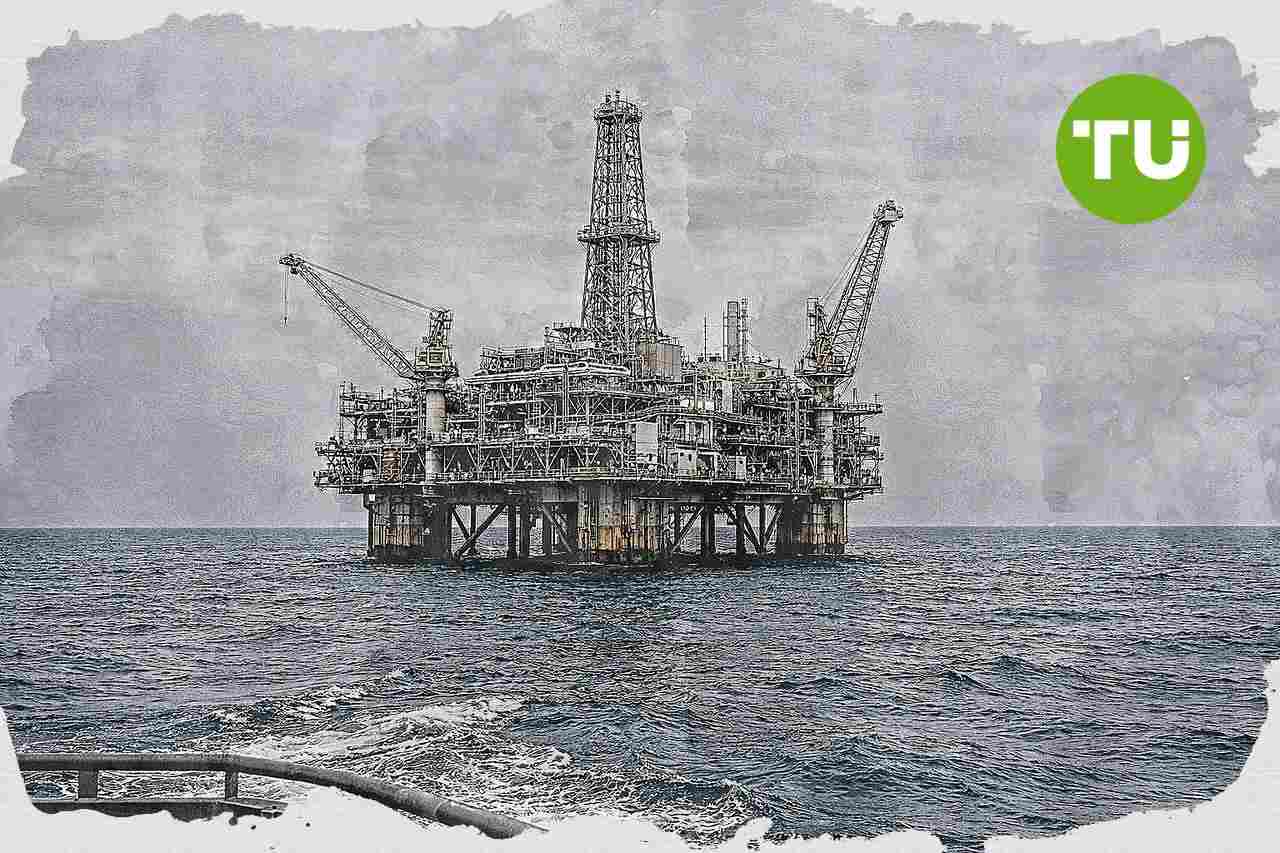
Regional instability is pressuring Energean’s operating outlook as the gas producer remains exposed to Israel through its Mediterranean asset base. The company lowers full-year guidance and cuts its first-quarter dividend after a temporary production suspension in Israel, even though output later returns to its original rate assumptions.
Highlights
- Energean’s Israeli production was suspended for 41 days in February, leading the company to cut full-year guidance and slash its Q1 dividend to 10 cents per share.
- Management, including CEO Mathios Rigas, purchased shares worth a combined £369,085, signaling insider confidence despite ongoing investor pressure.
- The company, which supplies about 40 percent of Israel’s gas, remains highly exposed to Middle East conflict risk, dampening its stock appeal and undermining its income-yield advantage.
Operational disruption and shareholder signals
As reported by Financial Times, Energean’s Israeli production is temporarily suspended for 41 days at the end of February before resuming after approval from Israel’s Ministry of Energy and Infrastructure.After operations restart, the company says average production runs in line with its original guidance. Even so, the FTSE 250 group lowers its full-year guidance and reduces its Q1 dividend by two-thirds to 10 cents a share.
Two insiders recently buy shares worth a combined £369,085, including chief executive Mathios Rigas. The purchases signal management confidence at a time when investor sentiment remains under pressure.
Geopolitical risk clouds sector appeal
Energean has production and exploration assets across the Mediterranean and the UK North Sea, and currently supplies about 40 per cent of Israel’s gas demand. That operating mix leaves the company particularly exposed as conflict in the Middle East continues to unsettle markets.Unlike some oil majors, Energean does not materially benefit from the higher commodity prices that follow the regional turmoil. The stock’s appeal could remain fragile while the conflict persists, especially because the dividend yield has been an important attraction for income-focused investors.
Management is also seeking progress on developments in Greece, Egypt and Angola, although broader events involving Iran remain outside the company’s control. The renewed Middle East risk premium is therefore likely to stay a central factor in how investors assess the group.
In our earlier coverage of Iraq’s efforts to protect its oil exports amid U.S.-Iran tensions, we described how Prime Minister Ali al-Zaidi sought closer ties with Washington as disruptions around the Strait of Hormuz forced Baghdad to curb shipments. We also noted talks with U.S. oil companies, including discussions about new pipeline routes designed to bypass Hormuz and reduce Iraq’s vulnerability to regional shocks.


Latest Natural Gas News




-
 Afghanistan
-
 Albania
-
 Algeria
-
 Angola
-
 Argentina
-
 Armenia
-
 Australia
-
 Austria
-
 Azerbaijan
-
 Bahamas
-
 Bahrain
-
 Bangladesh
-
 Belarus
-
 Belgium
-
 Bolivia
-
 Botswana
-
 Brazil
-
 Brunei
-
 Bulgaria
-
 Cambodia
-
 Cameroon
-
 Canada
-
 Chile
Chile
-
 China
China
-
 Colombia
-
 Congo
Congo
-
 Costa Rica
-
 Cote d'Ivoire
-
 Croatia
-
 Cuba
Cuba
-
 Cyprus
-
 Czechia
-
 DR Congo
-
 Denmark
-
 Dominican Republic
-
 Ecuador
-
 Egypt
Egypt
-
 El Salvador
-
 Estonia
-
 Eswatini
-
 Ethiopia
-
 Finland
-
 France
-
 Georgia
-
 Germany
-
 Ghana
Ghana
-
 Greece
-
 Haiti
Haiti
-
 Hong Kong
-
 Hungary
-
 India
India
-
 Indonesia
-
 Iran, Islamic republic
-
 Iraq
Iraq
-
 Ireland
-
 Israel
-
 Italy
Italy
-
 Jamaica
-
 Japan
Japan
-
 Jordan
-
 Kazakhstan
-
 Kenya
Kenya
-
 Korea
Korea
-
 Kuwait
-
 Kyrgyzstan
-
 Laos
Laos
-
 Latvia
-
 Lebanon
-
 Lesotho
-
 Libya
Libya
-
 Lithuania
-
 Luxembourg
-
 Madagascar
-
 Malaysia
-
 Malta
Malta
-
 Mauritius
-
 Mexico
-
 Moldova
-
 Mongolia
-
 Montenegro
-
 Morocco
-
 Mozambique
-
 Myanmar
-
 Namibia
-
 Nepal
Nepal
-
 Netherlands
-
 New Zealand
-
 Nigeria
-
 North Macedonia
-
 Norway
-
 Oman
Oman
-
 Pakistan
-
 Palestine
-
 Panama
-
 Papua New Guinea
-
 Paraguay
-
 Peru
Peru
-
 Philippines
-
 Poland
-
 Portugal
-
 Puerto Rico
-
 Qatar
Qatar
-
 Reunion
-
 Romania
-
 Rwanda
-
 Saudi Arabia
-
 Serbia
-
 Singapore
-
 Slovakia
-
 Slovenia
-
 Somalia
-
 South Africa
-
 Spain
Spain
-
 Sri Lanka
-
 Sweden
-
 Switzerland
-
 Syria
Syria
-
 Taiwan
-
 Tajikistan
-
 Tanzania
-
 Thailand
-
 Trinidad and Tobago
-
 Tunisia
-
 Turkey
-
 UAE
UAE
-
 Uganda
-
 Ukraine
-
 United Kingdom
-
United States
-
 Uruguay
-
 Uzbekistan
-
 Venezuela
-
 Vietnam
-
 Yemen
Yemen
-
 Zambia
-
 Zimbabwe
- Forex
- Crypto











