
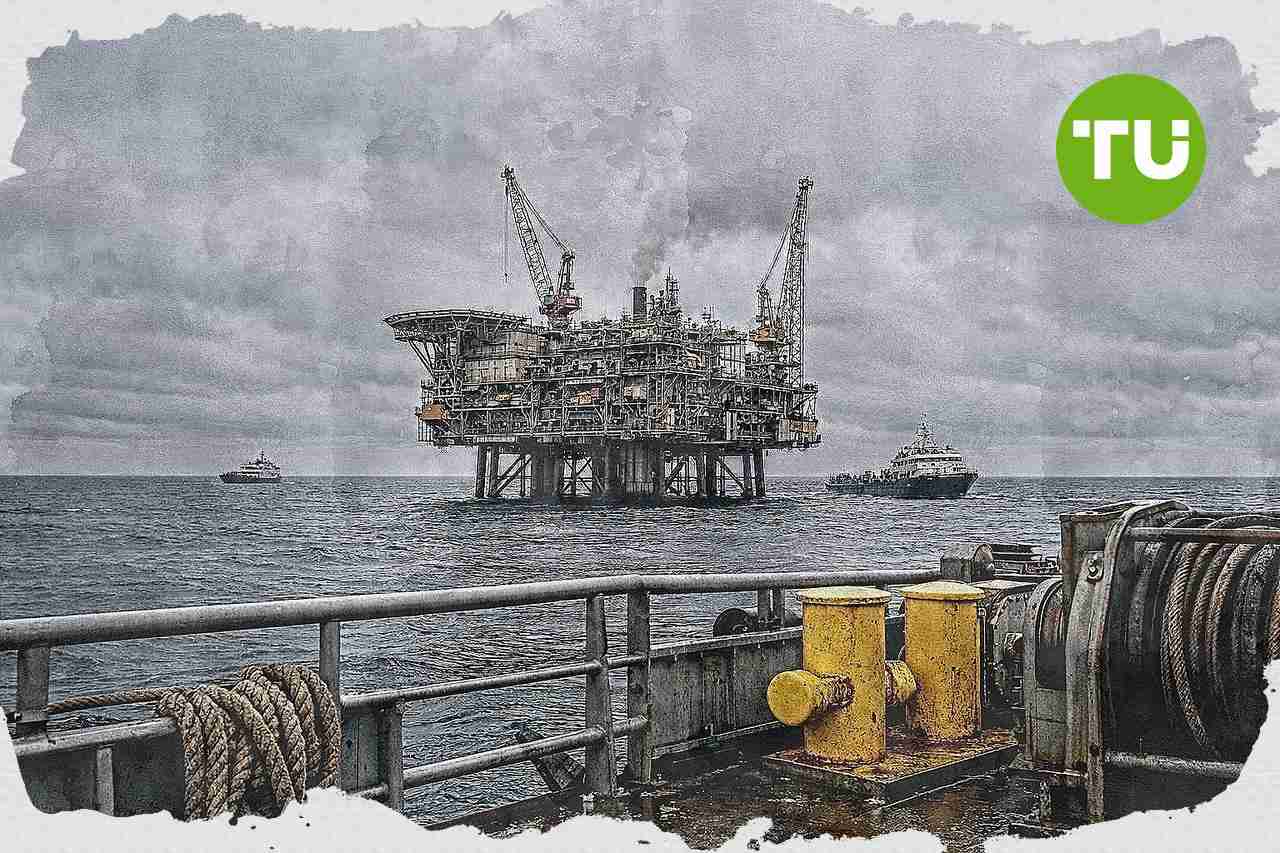
Britain's incoming government is keeping Labour's ban on new North Sea exploration licences, despite mounting pressure to curb energy costs and calls for a looser stance on domestic fossil fuel production. The decision leaves room for support of existing oil and gas activity during the energy transition, including possible backing for projects already licensed and more use of tiebacks.
Highlights
- Labour's incoming government, led by Andy Burnham, will maintain the moratorium on new North Sea oil and gas exploration licences despite industry lobbying.
- Labour plans to emphasize renewable and nuclear energy for lower bills and energy security, while supporting tiebacks and allowing domestic oil and gas to contribute to the transition.
- Industry groups and unions push for easing North Sea windfall levies and regulatory pressure, while 71 per cent of Opinium poll respondents support domestic oil and gas production.
Labour holds line on North Sea licensing
As reported by Financial Times, deputy Labour leader Lucy Powell says Andy Burnham will not reverse the party's manifesto commitment to stop new exploration licences in the North Sea, even as he signals a more pragmatic tone toward the sector. She tells the BBC that North Sea oil and gas remains part of Britain's energy mix, but says the government's route to lower bills and stronger energy security still rests on renewable and nuclear power.Powell says Burnham is not changing policy, but shifting emphasis as the incoming administration responds to rising living costs and higher energy prices linked to the Iran war. She adds that the government wants to work with the industry so it can contribute to the long-term transition, while keeping domestic oil and gas as part of that process.
Recent reports had suggested Burnham might move toward a more expansionary approach in the ageing North Sea basin. But his stance instead preserves the moratorium on new exploration licences, while still allowing him to highlight support for tiebacks, which enable further drilling near existing fields.
Industry pressure grows over tax, projects and supply
Burnham is planning a trip to Aberdeen after taking office to reassure workers and trade unions over Labour's energy policy, as some in the industry hope his government could still ease tax and regulatory pressure, including by softening the sector's windfall levy. The incoming administration is also expected to decide on the Jackdaw gasfield and possibly the Rosebank oilfield, both of which already hold licences but remain caught in a judicial process after a court ruling last year.Industry and labour voices are pressing for a broader shift. Enrique Cornejo, policy director at Offshore Energies UK, says the new prime minister needs to recognise the value of domestic production and support North Sea oil and gas over imports, while Gary Smith of the GMB says Labour's current policy is not sustainable and warns that greater reliance on imported energy harms the nation's finances.
Polling from Opinium last week finds 71 per cent support for domestic oil and gas production, while ending the moratorium on new exploration is backed by 49 per cent of respondents against 24 per cent. Campaigners remain opposed to any retreat, with Uplift executive director Tessa Khan warning it would reflect badly on Burnham if he gives in to pressure from oil and gas producers.
In our earlier article on Andy Burnham’s leadership transition to prime minister, we noted that his national economic agenda remains unclear and is being closely watched by businesses, investors and voters. We also highlighted how his Greater Manchester devolution model and calls for wider public control in areas like energy and infrastructure could test market confidence, especially under tight public finances and heightened sensitivity in bond markets.


Latest Natural Gas News






-
 Afghanistan
-
 Albania
-
 Algeria
-
 Angola
-
 Argentina
-
 Armenia
-
 Australia
-
 Austria
-
 Azerbaijan
-
 Bahamas
-
 Bahrain
-
 Bangladesh
-
 Belarus
-
 Belgium
-
 Bolivia
-
 Botswana
-
 Brazil
-
 Brunei
-
 Bulgaria
-
 Cambodia
-
 Cameroon
-
 Canada
-
 Chile
Chile
-
 China
China
-
 Colombia
-
 Congo
Congo
-
 Costa Rica
-
 Cote d'Ivoire
-
 Croatia
-
 Cuba
Cuba
-
 Cyprus
-
 Czechia
-
 DR Congo
-
 Denmark
-
 Dominican Republic
-
 Ecuador
-
 Egypt
Egypt
-
 El Salvador
-
 Estonia
-
 Eswatini
-
 Ethiopia
-
 Finland
-
 France
-
 Georgia
-
 Germany
-
 Ghana
Ghana
-
 Greece
-
 Haiti
Haiti
-
 Hong Kong
-
 Hungary
-
 India
India
-
 Indonesia
-
 Iran, Islamic republic
-
 Iraq
Iraq
-
 Ireland
-
 Israel
-
 Italy
Italy
-
 Jamaica
-
 Japan
Japan
-
 Jordan
-
 Kazakhstan
-
 Kenya
Kenya
-
 Korea
Korea
-
 Kuwait
-
 Kyrgyzstan
-
 Laos
Laos
-
 Latvia
-
 Lebanon
-
 Lesotho
-
 Libya
Libya
-
 Lithuania
-
 Luxembourg
-
 Madagascar
-
 Malaysia
-
 Malta
Malta
-
 Mauritius
-
 Mexico
-
 Moldova
-
 Mongolia
-
 Montenegro
-
 Morocco
-
 Mozambique
-
 Myanmar
-
 Namibia
-
 Nepal
Nepal
-
 Netherlands
-
 New Zealand
-
 Nigeria
-
 North Macedonia
-
 Norway
-
 Oman
Oman
-
 Pakistan
-
 Palestine
-
 Panama
-
 Papua New Guinea
-
 Paraguay
-
 Peru
Peru
-
 Philippines
-
 Poland
-
 Portugal
-
 Puerto Rico
-
 Qatar
Qatar
-
 Reunion
-
 Romania
-
 Rwanda
-
 Saudi Arabia
-
 Serbia
-
 Singapore
-
 Slovakia
-
 Slovenia
-
 Somalia
-
 South Africa
-
 Spain
Spain
-
 Sri Lanka
-
 Sweden
-
 Switzerland
-
 Syria
Syria
-
 Taiwan
-
 Tajikistan
-
 Tanzania
-
 Thailand
-
 Trinidad and Tobago
-
 Tunisia
-
 Turkey
-
 UAE
UAE
-
 Uganda
-
 Ukraine
-
 United Kingdom
-
United States
-
 Uruguay
-
 Uzbekistan
-
 Venezuela
-
 Vietnam
-
 Yemen
Yemen
-
 Zambia
-
 Zimbabwe
- Forex
- Crypto











