
U.S. outlines Iran shipping strikes, keeps China September visit on track
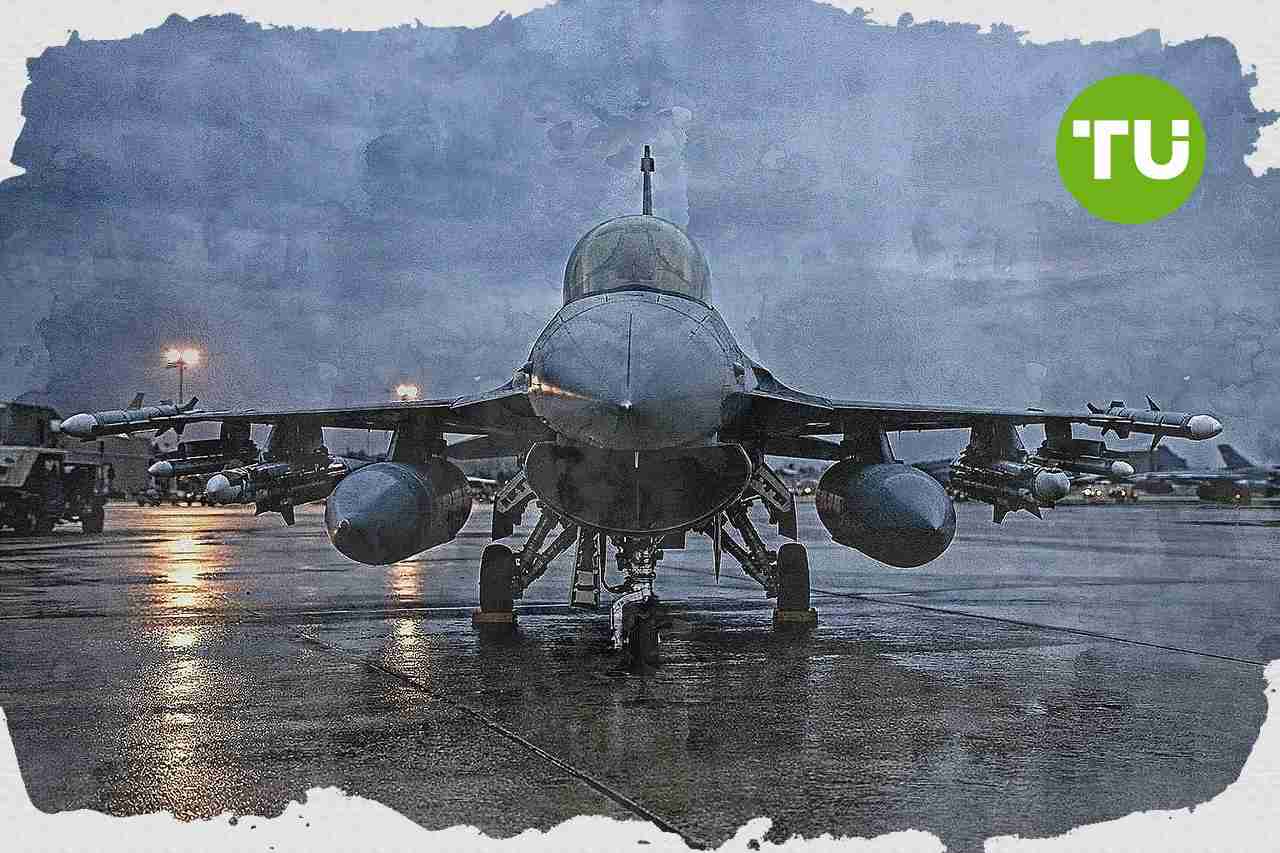
Amid continuing military action in the Strait of Hormuz and a broad diplomatic agenda in Asia and Latin America, Secretary of State Marco Rubio says Washington is maintaining pressure on Iran while preserving engagement with China. He also says the U.S. expects a September visit by Chinese President Xi Jinping to proceed and is prepared to expand support for Venezuela's earthquake recovery.
Highlights
- The U.S. continues strikes on Iranian assets targeting commercial shipping in the Strait of Hormuz, urging other nations to contribute resources for maritime security.
- The U.S. maintains Xi's anticipated September visit to China is on track and sees continued talks as essential despite ongoing tensions.
- U.S. aid to Venezuela following the earthquake exceeds $180 million, with reconciliation talks slated for early August to facilitate transition and access to global funding.
Rubio sets out security and diplomacy agenda
As reported by U.S. Department of State, Rubio tells reporters at Joint Base Andrews on July 19 that the U.S. continues strikes on Iranian assets used to attack commercial shipping, while still leaving open the possibility of diplomacy if Tehran changes its behavior.He says the mission remains focused on protecting global commercial traffic in the Strait of Hormuz and degrading Iran's ability to launch missiles and drones at ships in the waterway. Rubio says Iran is violating the terms of an existing MOU by continuing attacks, including strikes launched on the night of his remarks, and adds that other countries benefiting from the route should contribute hardware or financial support to the protection effort.
On China, Rubio says the U.S. anticipates Xi's trip is happening in September and that Chinese teams continue to prepare for it. He says tensions and disagreements between Washington and Beijing do not remove the need for continued talks between two major powers, and he adds that he is open to meeting Chinese officials during upcoming ASEAN-related events in Southeast Asia.
Rubio says the ASEAN summit remains a primary channel for U.S. engagement in the region, with bilateral meetings, a Quad session with India, Australia and Japan, and a trilateral format with South Korea and Japan all expected to form part of the trip. He also points to possible meetings with Vietnam and the Philippines as part of a broader regional diplomatic push.
Venezuela aid, Lebanon investment and burden-sharing pressure
Rubio says U.S. support for Venezuela after the earthquake already exceeds $180 million and may increase, while Washington also tries to help Caracas secure access to global funding and credit for reconstruction. He says a group representing Venezuela's 2015 national assembly and the interim government have agreed on a format for reconciliation talks and a transition process, with first official talks expected in the first week of August.On Lebanon, Rubio describes his meeting with President Joseph Aoun as positive and frames stronger state control as essential to replacing Hizballah's role as an armed force. He says discussions include not only security issues but also steps to attract more U.S. and international investment and to begin a process that could eventually restore direct flights between the U.S. and Lebanon.
Rubio also backs President Donald Trump's argument that countries benefiting from shipping through the strait should help bear the cost of maritime protection, noting that most vessels involved are not U.S.-flagged and are not primarily serving the U.S. market. He says the U.S. will continue defending global shipping, but it cannot carry that burden for the entire world indefinitely.
In our earlier coverage of the escalating U.S.-Iran conflict, we reported that U.S. strikes continued for multiple nights as American casualties rose and Iran stepped up cross-border attacks across the region. We also noted mounting concerns over the security of energy and commercial shipments through the Strait of Hormuz, with market anxiety pushing oil prices higher amid fears of further disruption.


Latest USA News







-
 Afghanistan
-
 Albania
-
 Algeria
-
 Angola
-
 Argentina
-
 Armenia
-
 Australia
-
 Austria
-
 Azerbaijan
-
 Bahamas
-
 Bahrain
-
 Bangladesh
-
 Belarus
-
 Belgium
-
 Bolivia
-
 Botswana
-
 Brazil
-
 Brunei
-
 Bulgaria
-
 Cambodia
-
 Cameroon
-
 Canada
-
 Chile
Chile
-
 China
China
-
 Colombia
-
 Congo
Congo
-
 Costa Rica
-
 Cote d'Ivoire
-
 Croatia
-
 Cuba
Cuba
-
 Cyprus
-
 Czechia
-
 DR Congo
-
 Denmark
-
 Dominican Republic
-
 Ecuador
-
 Egypt
Egypt
-
 El Salvador
-
 Estonia
-
 Eswatini
-
 Ethiopia
-
 Finland
-
 France
-
 Georgia
-
 Germany
-
 Ghana
Ghana
-
 Greece
-
 Haiti
Haiti
-
 Hong Kong
-
 Hungary
-
 India
India
-
 Indonesia
-
 Iran, Islamic republic
-
 Iraq
Iraq
-
 Ireland
-
 Israel
-
 Italy
Italy
-
 Jamaica
-
 Japan
Japan
-
 Jordan
-
 Kazakhstan
-
 Kenya
Kenya
-
 Korea
Korea
-
 Kuwait
-
 Kyrgyzstan
-
 Laos
Laos
-
 Latvia
-
 Lebanon
-
 Lesotho
-
 Libya
Libya
-
 Lithuania
-
 Luxembourg
-
 Madagascar
-
 Malaysia
-
 Malta
Malta
-
 Mauritius
-
 Mexico
-
 Moldova
-
 Mongolia
-
 Montenegro
-
 Morocco
-
 Mozambique
-
 Myanmar
-
 Namibia
-
 Nepal
Nepal
-
 Netherlands
-
 New Zealand
-
 Nigeria
-
 North Macedonia
-
 Norway
-
 Oman
Oman
-
 Pakistan
-
 Palestine
-
 Panama
-
 Papua New Guinea
-
 Paraguay
-
 Peru
Peru
-
 Philippines
-
 Poland
-
 Portugal
-
 Puerto Rico
-
 Qatar
Qatar
-
 Reunion
-
 Romania
-
 Rwanda
-
 Saudi Arabia
-
 Serbia
-
 Singapore
-
 Slovakia
-
 Slovenia
-
 Somalia
-
 South Africa
-
 Spain
Spain
-
 Sri Lanka
-
 Sweden
-
 Switzerland
-
 Syria
Syria
-
 Taiwan
-
 Tajikistan
-
 Tanzania
-
 Thailand
-
 Trinidad and Tobago
-
 Tunisia
-
 Turkey
-
 UAE
UAE
-
 Uganda
-
 Ukraine
-
 United Kingdom
-
United States
-
 Uruguay
-
 Uzbekistan
-
 Venezuela
-
 Vietnam
-
 Yemen
Yemen
-
 Zambia
-
 Zimbabwe
- Forex
- Crypto











