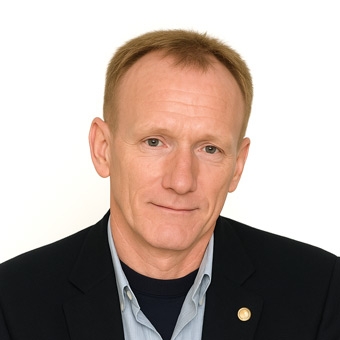
UK government shifts as Andy Burnham takes over as prime minister

Britain enters another leadership change a decade after the Brexit vote, with Andy Burnham becoming the country's seventh prime minister since 2016. He replaces Keir Starmer with a pledge to ease cost-of-living pressures quickly while preparing a broader 10-year plan for government.
Highlights
- Andy Burnham becomes UK prime minister, pledging early cost-of-living measures, regional power devolution, and possible finance via flexibility within current fiscal rules.
- Rachel Reeves resigns as chancellor while John Healey, Ed Miliband, and Shabana Mahmood expected to assume senior cabinet roles during immediate reshuffle.
- UK defence spend projected at 2.7 per cent of GDP by 2030, below both former targets of 3 per cent and NATO's 3.5 per cent target for 2035.
Leadership change and early policy agenda
As reported by Financial Times, Burnham takes office on Monday after being appointed by King Charles and says he will refocus the Labour government on the needs of ordinary voters. He promises a "new national sense of unity, of common purpose and positivity" and says initial measures on the cost of living will be set out on Tuesday, including how they will be funded.The new prime minister says he wants to move more power from London to the regions, expand social housing, improve social care and help more young people into work through changes to the education system and extra mental health support. He also says he will issue his first instruction to end rough sleeping, while arguing that investment in prevention can reduce welfare costs without breaking existing fiscal rules.
Burnham says he will use "flexibility" within current fiscal rules to finance some plans, while insisting he is not taking risks with the economy. He also leaves open the possibility of restoring a 50p top income tax rate for the highest earners, saying it is premature to discuss whether that step will be taken.
Cabinet reshuffle and pressure on Labour
Burnham inherits a Labour government weakened by heavy local election losses in May and by growing concern among MPs over the rise of Nigel Farage's Reform UK party. Many in Labour believe the former Greater Manchester mayor has stronger appeal with voters and can help steady the party before the next general election, which must be held by 2029.He begins assembling his cabinet immediately, with Rachel Reeves stepping down as chancellor and leaving government altogether. John Healey, Ed Miliband and Shabana Mahmood are among the first ministers seen entering Downing Street, suggesting they are in line for senior roles in the new administration.
Defence spending is likely to remain one of the early tests for Burnham's government. Healey quit as defence secretary last month in a dispute over spending levels, and Britain is on course to spend 2.7 per cent of GDP on defence by 2030, short of the 3 per cent level he has demanded, while the country has already committed to NATO's 3.5 per cent target by 2035.
Our earlier article on Andy Burnham’s first Downing Street address outlined the broad agenda he set for his premiership, with an emphasis on political stability, devolution, and imminent cost-of-living relief. We noted that he paired pledges on housing, welfare, education and mental health with assurances about staying within fiscal rules, while markets and investors watched closely for how new spending and regulation plans would be funded.


Latest UK News






-
 Afghanistan
-
 Albania
-
 Algeria
-
 Angola
-
 Argentina
-
 Armenia
-
 Australia
-
 Austria
-
 Azerbaijan
-
 Bahamas
-
 Bahrain
-
 Bangladesh
-
 Belarus
-
 Belgium
-
 Bolivia
-
 Botswana
-
 Brazil
-
 Brunei
-
 Bulgaria
-
 Cambodia
-
 Cameroon
-
 Canada
-
 Chile
Chile
-
 China
China
-
 Colombia
-
 Congo
Congo
-
 Costa Rica
-
 Cote d'Ivoire
-
 Croatia
-
 Cuba
Cuba
-
 Cyprus
-
 Czechia
-
 DR Congo
-
 Denmark
-
 Dominican Republic
-
 Ecuador
-
 Egypt
Egypt
-
 El Salvador
-
 Estonia
-
 Eswatini
-
 Ethiopia
-
 Finland
-
 France
-
 Georgia
-
 Germany
-
 Ghana
Ghana
-
 Greece
-
 Haiti
Haiti
-
 Hong Kong
-
 Hungary
-
 India
India
-
 Indonesia
-
 Iran, Islamic republic
-
 Iraq
Iraq
-
 Ireland
-
 Israel
-
 Italy
Italy
-
 Jamaica
-
 Japan
Japan
-
 Jordan
-
 Kazakhstan
-
 Kenya
Kenya
-
 Korea
Korea
-
 Kuwait
-
 Kyrgyzstan
-
 Laos
Laos
-
 Latvia
-
 Lebanon
-
 Lesotho
-
 Libya
Libya
-
 Lithuania
-
 Luxembourg
-
 Madagascar
-
 Malaysia
-
 Malta
Malta
-
 Mauritius
-
 Mexico
-
 Moldova
-
 Mongolia
-
 Montenegro
-
 Morocco
-
 Mozambique
-
 Myanmar
-
 Namibia
-
 Nepal
Nepal
-
 Netherlands
-
 New Zealand
-
 Nigeria
-
 North Macedonia
-
 Norway
-
 Oman
Oman
-
 Pakistan
-
 Palestine
-
 Panama
-
 Papua New Guinea
-
 Paraguay
-
 Peru
Peru
-
 Philippines
-
 Poland
-
 Portugal
-
 Puerto Rico
-
 Qatar
Qatar
-
 Reunion
-
 Romania
-
 Rwanda
-
 Saudi Arabia
-
 Serbia
-
 Singapore
-
 Slovakia
-
 Slovenia
-
 Somalia
-
 South Africa
-
 Spain
Spain
-
 Sri Lanka
-
 Sweden
-
 Switzerland
-
 Syria
Syria
-
 Taiwan
-
 Tajikistan
-
 Tanzania
-
 Thailand
-
 Trinidad and Tobago
-
 Tunisia
-
 Turkey
-
 UAE
UAE
-
 Uganda
-
 Ukraine
-
 United Kingdom
-
United States
-
 Uruguay
-
 Uzbekistan
-
 Venezuela
-
 Vietnam
-
 Yemen
Yemen
-
 Zambia
-
 Zimbabwe
- Forex
- Crypto











