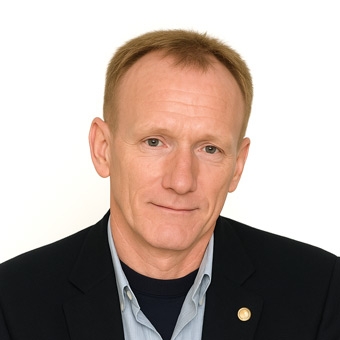
Burnham names senior Labour figures to key cabinet roles in UK government reshuffle

Andy Burnham starts assembling his cabinet after becoming UK prime minister on Monday, bringing back experienced ministers from the Starmer era alongside close political allies. The early appointments point to a government balancing fiscal pressure, foreign policy demands and migration control as it tries to steady Labour after the leadership change.
Highlights
- John Healey becomes chancellor, tasked with resolving a nearly £5bn defence spending gap and Labour's promise to spend 3 per cent of GDP on defence by 2030.
- Ed Miliband takes over as foreign secretary with a mandate to advance his 2030 electricity decarbonisation agenda, raising concerns over energy costs and North Sea oil jobs.
- Shabana Mahmood remains home secretary, maintaining Labour's hardline migration policies as immigration and crime continue to pose political challenges for Burnham's administration.
Key appointments and political calculus
As first reported by Financial Times, Burnham gives several of the most senior posts to figures with established records in Sir Keir Starmer’s government while also elevating trusted allies from his own camp.John Healey takes over as chancellor after leaving the defence brief last month following a public clash over military spending. The former Treasury minister and long-time Labour moderate now faces one of the most immediate pressures in Burnham’s new administration, a gap of nearly £5bn in the defence spending plan set out before Starmer leaves office.
Ed Miliband becomes foreign secretary in a move that surprises some Burnham supporters who want him at the Treasury instead. Miliband returns to one of the highest offices of state after serving as energy secretary, carrying a profile shaped by his climate agenda, his previous stint as Labour leader and his standing as one of the party’s most divisive but well-known figures.
Shabana Mahmood stays at the centre of government as home secretary, extending a hardline migration approach that wins support from Labour’s right and some conservative critics but draws opposition from the party’s left. Her appointment keeps one of Starmer’s most visible domestic policy operators in place at a time when immigration and crime remain politically sensitive.
Louise Haigh is named chancellor of the Duchy of Lancaster and first secretary of state, a role that places one of Burnham’s closest allies at the heart of policy delivery. Her return marks a notable comeback after she resigns as transport secretary in November 2024 when a decade-old fraud conviction resurfaces and triggers controversy over prior disclosure.
Policy pressures for the new administration
Burnham’s first team inherits a difficult governing backdrop, with spending choices, energy policy and migration control all carrying financial and political risk for the new leadership.Healey’s move to the Treasury links directly to unresolved questions over how Labour funds its defence ambitions, including his own earlier call for a commitment to spend 3 per cent of GDP on defence in 2030. Miliband, meanwhile, brings to the Foreign Office a high public profile built partly on his push to decarbonise the electricity system by 2030, an agenda that attracts support from progressives but also criticism over jobs, North Sea oil and household energy costs.
Mahmood’s continued prominence signals that Burnham is not immediately shifting away from the tougher social policy stance developed under Starmer. Haigh’s appointment also suggests the prime minister wants a loyal operator overseeing coordination across government, even as her past resignation remains politically sensitive.
Our earlier coverage of Andy Burnham’s first Downing Street address outlined the priorities he set out as the new UK prime minister, including political stability, devolution and near-term cost-of-living relief. We also noted the tension between his promise of sweeping economic change — including tighter public control in areas like energy, transport and water — and the fiscal constraints and market scrutiny facing his government.


Latest UK News







-
 Afghanistan
-
 Albania
-
 Algeria
-
 Angola
-
 Argentina
-
 Armenia
-
 Australia
-
 Austria
-
 Azerbaijan
-
 Bahamas
-
 Bahrain
-
 Bangladesh
-
 Belarus
-
 Belgium
-
 Bolivia
-
 Botswana
-
 Brazil
-
 Brunei
-
 Bulgaria
-
 Cambodia
-
 Cameroon
-
 Canada
-
 Chile
Chile
-
 China
China
-
 Colombia
-
 Congo
Congo
-
 Costa Rica
-
 Cote d'Ivoire
-
 Croatia
-
 Cuba
Cuba
-
 Cyprus
-
 Czechia
-
 DR Congo
-
 Denmark
-
 Dominican Republic
-
 Ecuador
-
 Egypt
Egypt
-
 El Salvador
-
 Estonia
-
 Eswatini
-
 Ethiopia
-
 Finland
-
 France
-
 Georgia
-
 Germany
-
 Ghana
Ghana
-
 Greece
-
 Haiti
Haiti
-
 Hong Kong
-
 Hungary
-
 India
India
-
 Indonesia
-
 Iran, Islamic republic
-
 Iraq
Iraq
-
 Ireland
-
 Israel
-
 Italy
Italy
-
 Jamaica
-
 Japan
Japan
-
 Jordan
-
 Kazakhstan
-
 Kenya
Kenya
-
 Korea
Korea
-
 Kuwait
-
 Kyrgyzstan
-
 Laos
Laos
-
 Latvia
-
 Lebanon
-
 Lesotho
-
 Libya
Libya
-
 Lithuania
-
 Luxembourg
-
 Madagascar
-
 Malaysia
-
 Malta
Malta
-
 Mauritius
-
 Mexico
-
 Moldova
-
 Mongolia
-
 Montenegro
-
 Morocco
-
 Mozambique
-
 Myanmar
-
 Namibia
-
 Nepal
Nepal
-
 Netherlands
-
 New Zealand
-
 Nigeria
-
 North Macedonia
-
 Norway
-
 Oman
Oman
-
 Pakistan
-
 Palestine
-
 Panama
-
 Papua New Guinea
-
 Paraguay
-
 Peru
Peru
-
 Philippines
-
 Poland
-
 Portugal
-
 Puerto Rico
-
 Qatar
Qatar
-
 Reunion
-
 Romania
-
 Rwanda
-
 Saudi Arabia
-
 Serbia
-
 Singapore
-
 Slovakia
-
 Slovenia
-
 Somalia
-
 South Africa
-
 Spain
Spain
-
 Sri Lanka
-
 Sweden
-
 Switzerland
-
 Syria
Syria
-
 Taiwan
-
 Tajikistan
-
 Tanzania
-
 Thailand
-
 Trinidad and Tobago
-
 Tunisia
-
 Turkey
-
 UAE
UAE
-
 Uganda
-
 Ukraine
-
 United Kingdom
-
United States
-
 Uruguay
-
 Uzbekistan
-
 Venezuela
-
 Vietnam
-
 Yemen
Yemen
-
 Zambia
-
 Zimbabwe
- Forex
- Crypto












