
Shankar Rice remained in the regulatory non-cooperation category, increasing investor risk
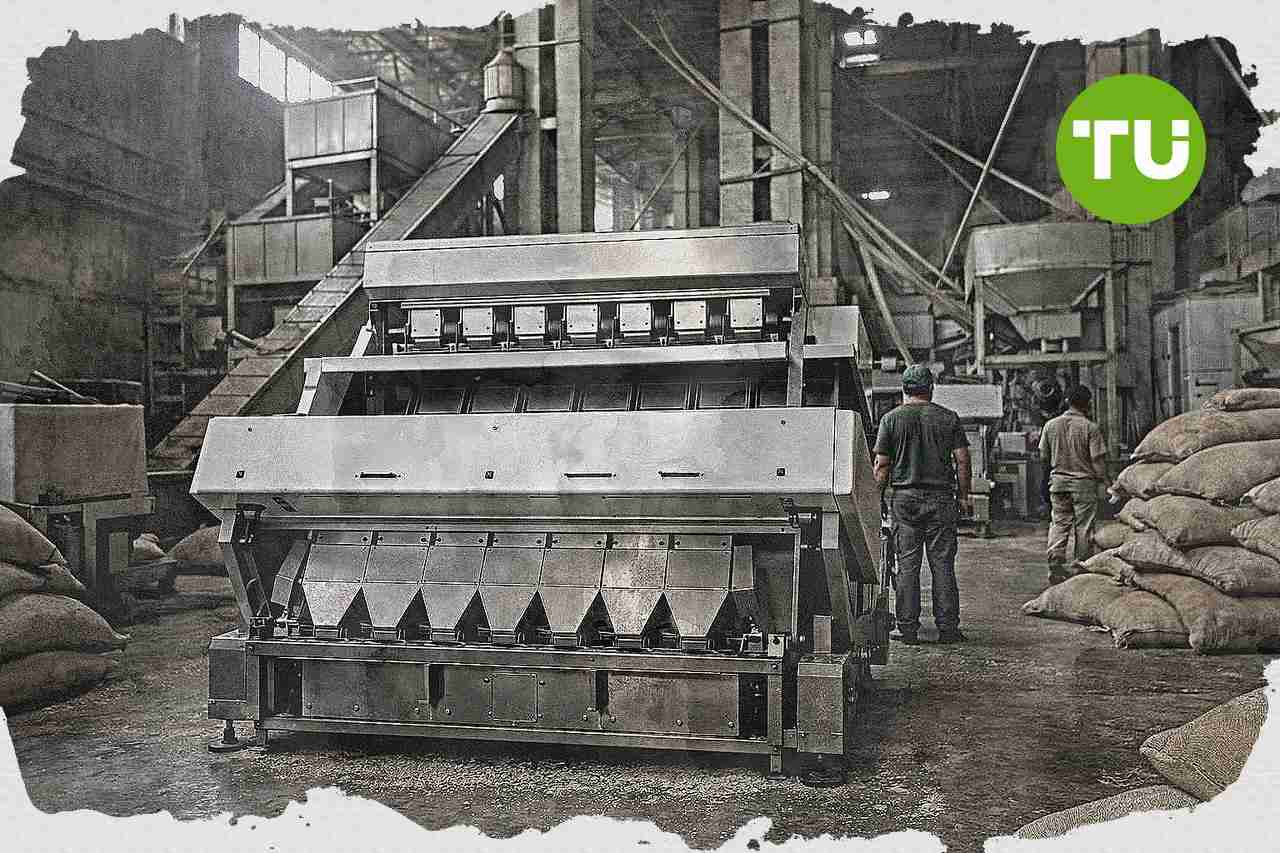
Leading agriculture sector company Shankar Rice continues to be in the regulatory non-cooperation category, making independent assessment of its operations and financial position difficult. This situation indicates that the lack of required disclosures and compliance standards remains a significant risk for investors, lenders, and other stakeholders.
Highlights
- ICRA has kept Shankar Rice in the issuer non-cooperating category due to its failure to provide required information and regulatory disclosures.
- Due to regulatory non-cooperation, it has become difficult for investors and lenders to assess risk, which could negatively impact the company's funding and business relationships.
- Shankar Rice's lack of transparency is putting pressure on its operations, access to capital, and market reputation, raising concerns for the agriculture sector.
This article was translated from the original. Read the original version by our correspondent here.
Regulatory status and lack of disclosures
ICRA, an affiliate of Moody's, states that Shankar Rice remains in the issuer non-cooperating category because the company has not provided the required information and disclosures as per regulatory expectations. Such a category is typically applied when an entity does not provide sufficient information, affecting proper assessment of its creditworthiness and operational performance.Due to the lack of necessary information from the company, stakeholders cannot effectively assess its business position, financial capacity, and compliance level. This puts pressure on its credibility in the market and can also impact future funding or business relationships.
Impact on investors and the agriculture sector
The ongoing non-cooperation status is a particular concern for investors and lenders, as the lack of transparency makes risk assessment difficult. For any agriculture sector company, this situation can negatively affect operational stability, access to capital, and business reputation.In the case of Shankar Rice, continued non-cooperation reinforces concerns that the company may be facing significant compliance or operational issues. Until the required disclosures are restored, it remains challenging for market participants to draw reliable conclusions about the company's actual situation.
Our previous report discussed Kamarli Steels Private Limited remaining in ICRA's issuer non-cooperating category, where the lack of sufficient financial information and required disclosures was found to affect rating assessment and risk evaluation. That article also noted that lack of transparency can increase scrutiny from investors and lenders, and put pressure on the company's funding access, market confidence, and creditworthiness.


Latest Company News News







-
 Afghanistan
-
 Albania
-
 Algeria
-
 Angola
-
 Argentina
-
 Armenia
-
 Australia
-
 Austria
-
 Azerbaijan
-
 Bahamas
-
 Bahrain
-
 Bangladesh
-
 Belarus
-
 Belgium
-
 Bolivia
-
 Botswana
-
 Brazil
-
 Brunei
-
 Bulgaria
-
 Cambodia
-
 Cameroon
-
 Canada
-
 Chile
Chile
-
 China
China
-
 Colombia
-
 Congo
Congo
-
 Costa Rica
-
 Cote d'Ivoire
-
 Croatia
-
 Cuba
Cuba
-
 Cyprus
-
 Czechia
-
 DR Congo
-
 Denmark
-
 Dominican Republic
-
 Ecuador
-
 Egypt
Egypt
-
 El Salvador
-
 Estonia
-
 Eswatini
-
 Ethiopia
-
 Finland
-
 France
-
 Georgia
-
 Germany
-
 Ghana
Ghana
-
 Greece
-
 Haiti
Haiti
-
 Hong Kong
-
 Hungary
-
 India
India
-
 Indonesia
-
 Iran, Islamic republic
-
 Iraq
Iraq
-
 Ireland
-
 Israel
-
 Italy
Italy
-
 Jamaica
-
 Japan
Japan
-
 Jordan
-
 Kazakhstan
-
 Kenya
Kenya
-
 Korea
Korea
-
 Kuwait
-
 Kyrgyzstan
-
 Laos
Laos
-
 Latvia
-
 Lebanon
-
 Lesotho
-
 Libya
Libya
-
 Lithuania
-
 Luxembourg
-
 Madagascar
-
 Malaysia
-
 Malta
Malta
-
 Mauritius
-
 Mexico
-
 Moldova
-
 Mongolia
-
 Montenegro
-
 Morocco
-
 Mozambique
-
 Myanmar
-
 Namibia
-
 Nepal
Nepal
-
 Netherlands
-
 New Zealand
-
 Nigeria
-
 North Macedonia
-
 Norway
-
 Oman
Oman
-
 Pakistan
-
 Palestine
-
 Panama
-
 Papua New Guinea
-
 Paraguay
-
 Peru
Peru
-
 Philippines
-
 Poland
-
 Portugal
-
 Puerto Rico
-
 Qatar
Qatar
-
 Reunion
-
 Romania
-
 Rwanda
-
 Saudi Arabia
-
 Serbia
-
 Singapore
-
 Slovakia
-
 Slovenia
-
 Somalia
-
 South Africa
-
 Spain
Spain
-
 Sri Lanka
-
 Sweden
-
 Switzerland
-
 Syria
Syria
-
 Taiwan
-
 Tajikistan
-
 Tanzania
-
 Thailand
-
 Trinidad and Tobago
-
 Tunisia
-
 Turkey
-
 UAE
UAE
-
 Uganda
-
 Ukraine
-
 United Kingdom
-
United States
-
 Uruguay
-
 Uzbekistan
-
 Venezuela
-
 Vietnam
-
 Yemen
Yemen
-
 Zambia
-
 Zimbabwe
- Forex
- Crypto












