

U.S. Treasury expands payment verification to block improper federal disbursements

A broader federal anti-fraud effort is reshaping how government payments are checked before funds are released. The new Treasury process screens payments against death records and has reviewed more than 885 million transactions worth nearly $2.7 trillion.
Highlights
- Treasury and Bureau of the Fiscal Service have screened over 885 million payments totaling $2.77 trillion, flagging more than 4,900 payments worth $99 million linked to deceased individuals.
- Treasury projects about $330 million in net benefits from 2024 to 2026 due to improved detection and reduction of improper federal payments thanks to Social Security Full Death Master File access.
- Permanent data-sharing authority from the Ending Improper Payments to Deceased People Act supports ongoing expansion of payment verification tools and strengthens federal payment system integrity.
Verification rollout and screening results
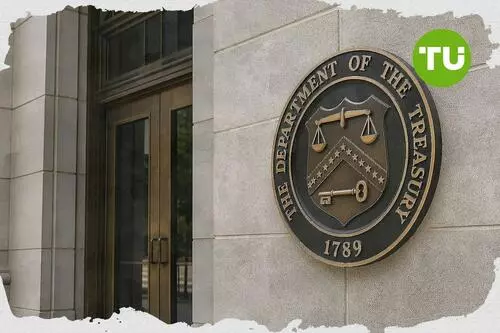
As announced by the U.S. Department of the Treasury, the agency and the Bureau of the Fiscal Service have implemented a government-wide payment verification process designed to prevent federal payments from being sent to deceased individuals. The measure fulfills a requirement under Executive Order 14249, which focuses on protecting federal funds against fraud, waste, and abuse.Treasury says the process has so far screened more than 885 million payments totaling about $2.77 trillion. The review has flagged more than 4,900 payments worth roughly $99 million that were linked to deceased payees, with those transactions returned to originating agencies for review before any money is disbursed.
Secretary Scott Bessent says the safeguard is part of a wider push to stop improper payments before money leaves Treasury and to strengthen the integrity of the federal payment system. He adds that Treasury plans to continue modernizing payment controls and expanding protections for taxpayer funds.
Permanent data access supports anti-fraud efforts
The verification capability builds on Treasury's expanded access to the Social Security Administration's Full Death Master File, which improves the government's ability to identify deceased payees before payments are issued. Treasury previously received temporary access under the Consolidated Appropriations Act of 2021 through a three-year pilot program.During the first year of that pilot, Treasury says it significantly improved its ability to detect payments tied to deceased individuals and projected about $330 million in net benefits between 2024 and 2026 from reduced improper payments. In February 2026, Congress passed and President Trump signed the Ending Improper Payments to Deceased People Act, giving Treasury permanent access to the database and allowing the screening effort to continue on a lasting basis.
The development is likely to have broader implications for public-sector financial controls, as Treasury continues to implement payment verification tools required by the executive order across the federal government. The effort places payment integrity and fraud prevention at the center of federal disbursement operations.
In our earlier article on H.R. 8823 and FECA oversight, we covered Congressional efforts to curb fraud in taxpayer-funded programs by tightening enforcement against medical providers who exploit the Federal Employees’ Compensation Act. The proposal would bar providers convicted of FECA fraud from continuing to receive program payments, building on a track record of criminal investigations, convictions, and recovered funds aimed at protecting public money.






Latest U.S. Treasury Department News




-
 Afghanistan
-
 Albania
-
 Algeria
-
 Angola
-
 Argentina
-
 Armenia
-
 Australia
-
 Austria
-
 Azerbaijan
-
 Bahamas
-
 Bahrain
-
 Bangladesh
-
 Belarus
-
 Belgium
-
 Bolivia
-
 Botswana
-
 Brazil
-
 Brunei
-
 Bulgaria
-
 Cambodia
-
 Cameroon
-
 Canada
-
 Chile
-
 China
-
 Colombia
-
 Congo
-
 Costa Rica
-
 Cote d'Ivoire
-
 Croatia
-
 Cuba
-
 Cyprus
-
 Czechia
-
 DR Congo
-
 Denmark
-
 Dominican Republic
-
 Ecuador
-
 Egypt
-
 El Salvador
-
 Estonia
-
 Eswatini
-
 Ethiopia
-
 Finland
-
 France
-
 Georgia
-
 Germany
-
 Ghana
-
 Greece
-
 Haiti
-
 Hong Kong
-
 Hungary
-
 India
-
 Indonesia
-
 Iran, Islamic republic
-
 Iraq
-
 Ireland
-
 Israel
-
 Italy
-
 Jamaica
-
 Japan
-
 Jordan
-
 Kazakhstan
-
 Kenya
-
 Korea
-
 Kuwait
-
 Kyrgyzstan
-
 Laos
-
 Latvia
-
 Lebanon
-
 Lesotho
-
 Libya
-
 Lithuania
-
 Luxembourg
-
 Madagascar
-
 Malaysia
-
 Malta
-
 Mauritius
-
 Mexico
-
 Moldova
-
 Mongolia
-
 Montenegro
-
 Morocco
-
 Mozambique
-
 Myanmar
-
 Namibia
-
 Nepal
-
 Netherlands
-
 New Zealand
-
 Nigeria
-
 North Macedonia
-
 Norway
-
 Oman
-
 Pakistan
-
 Palestine
-
 Panama
-
 Papua New Guinea
-
 Paraguay
-
 Peru
-
 Philippines
-
 Poland
-
 Portugal
-
 Puerto Rico
-
 Qatar
-
 Reunion
-
 Romania
-
 Rwanda
-
 Saudi Arabia
-
 Serbia
-
 Singapore
-
 Slovakia
-
 Slovenia
-
 Somalia
-
 South Africa
-
 Spain
-
 Sri Lanka
-
 Sweden
-
 Switzerland
-
 Syria
-
 Taiwan
-
 Tajikistan
-
 Tanzania
-
 Thailand
-
 Trinidad and Tobago
-
 Tunisia
-
 Turkey
-
 UAE
-
 Uganda
-
 Ukraine
-
 United Kingdom
-
United States
-
 Uruguay
-
 Uzbekistan
-
 Venezuela
-
 Vietnam
-
 Yemen
-
 Zambia
-
 Zimbabwe
- Forex
- Crypto












