
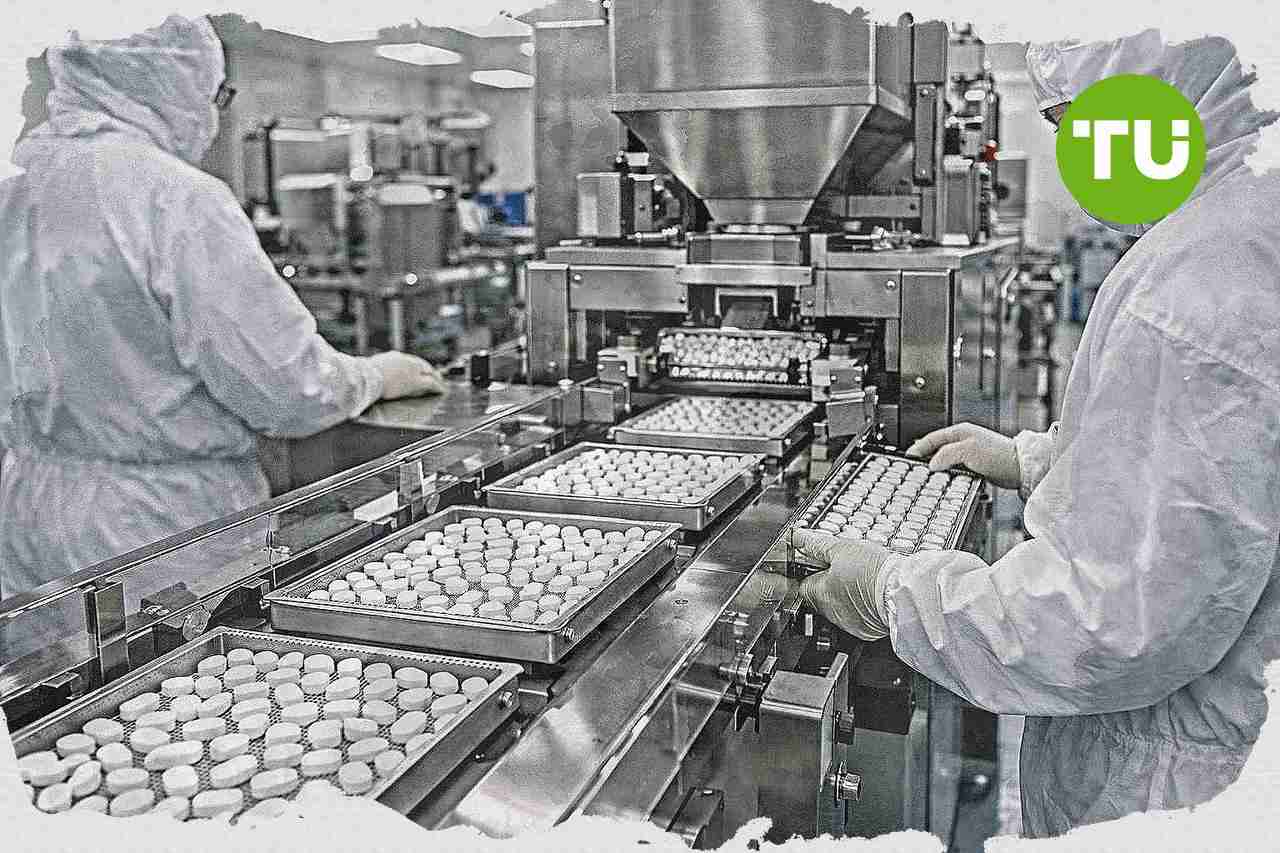
A new push to shift pharmaceutical production into the U.S. is extending trade pressure to low-cost medicines that dominate prescription volumes. Donald Trump says generic drugs will face 100% tariffs from August 2028, with the rate set to rise to 200% a year later.
Highlights
- The U.S. plans to impose tariffs on imported unpatented and unbranded generic drugs from 2028, targeting companies that fail to move production domestically.
- Lower 15% tariff rates are available for countries with trade deals like Switzerland, Japan, the EU, and South Korea, while the UK will receive zero tariffs for three years.
- Pfizer, AstraZeneca, and Novo Nordisk have negotiated tariff relief in exchange for increasing U.S. investment and lowering drug prices, with further relief available for firms expanding manufacturing capacity in the U.S.
Tariff plan targets imported generics
As first reported by Financial Times, the proposed measure applies to unpatented and unbranded medicines and is intended to push manufacturers to build plants and equipment in the U.S. Trump says the penalty is aimed at companies that do not move production within the time period set by his administration.Generic drugs account for 90% of filled prescriptions in the U.S., according to the U.S. Food and Drug Administration, and the agency estimates about 70% of generics are sourced from outside the country. The move places a critical part of the pharmaceutical supply chain under heavier trade pressure as the administration continues its broader tariff strategy for the sector.
Trump says the policy on branded drugs remains unchanged. Generic medicines had been exempt when the White House announced duties of up to 100% on branded and patented drugs, while allowing carve-outs for some companies and countries.
Industry exemptions and market impact
Lower tariff rates of 15% have been offered to countries that reached trade deals with Washington, including Switzerland, Japan, the EU and South Korea. The UK is set to receive zero tariffs on its exports for three years under a separate agreement covering UK drug pricing and investment in the U.S.Pfizer, AstraZeneca and Novo Nordisk are among the companies that have struck agreements with the Trump administration to increase U.S. investment and lower drug prices in exchange for tariff relief. Companies planning to add more manufacturing capacity in the U.S. can also apply to the Commerce Department for a four-year period with a lower 20% tariff.
The Association for Accessible Medicines, which represents generic drugmakers, says it is seeking clarity on the policy details. Chief executive John Murphy says the industry supports policies that stabilize the sector and preserve reliable access to affordable medicines for patients.
The pharmaceutical tariffs unveiled earlier this year stem from a national security investigation under Section 232 of the Trade Expansion Act of 1962. That framework remains intact after the Supreme Court ruling in February that struck down other U.S. duties.
Our earlier coverage of the House Energy and Commerce Committee markup outlined how lawmakers advanced a wide package of bills touching energy, grid infrastructure, and healthcare—most notably measures aimed at boosting healthcare price transparency for patients. The committee sent 17 bills to the full House with several lopsided votes, signaling momentum on proposals that could influence consumer costs and access as they move to the next legislative stage.




Latest Supply Chain News





-
 Afghanistan
-
 Albania
-
 Algeria
-
 Angola
-
 Argentina
-
 Armenia
-
 Australia
-
 Austria
-
 Azerbaijan
-
 Bahamas
-
 Bahrain
-
 Bangladesh
-
 Belarus
-
 Belgium
-
 Bolivia
-
 Botswana
-
 Brazil
-
 Brunei
-
 Bulgaria
-
 Cambodia
-
 Cameroon
-
 Canada
-
 Chile
Chile
-
 China
China
-
 Colombia
-
 Congo
Congo
-
 Costa Rica
-
 Cote d'Ivoire
-
 Croatia
-
 Cuba
Cuba
-
 Cyprus
-
 Czechia
-
 DR Congo
-
 Denmark
-
 Dominican Republic
-
 Ecuador
-
 Egypt
Egypt
-
 El Salvador
-
 Estonia
-
 Eswatini
-
 Ethiopia
-
 Finland
-
 France
-
 Georgia
-
 Germany
-
 Ghana
Ghana
-
 Greece
-
 Haiti
Haiti
-
 Hong Kong
-
 Hungary
-
 India
India
-
 Indonesia
-
 Iran, Islamic republic
-
 Iraq
Iraq
-
 Ireland
-
 Israel
-
 Italy
Italy
-
 Jamaica
-
 Japan
Japan
-
 Jordan
-
 Kazakhstan
-
 Kenya
Kenya
-
 Korea
Korea
-
 Kuwait
-
 Kyrgyzstan
-
 Laos
Laos
-
 Latvia
-
 Lebanon
-
 Lesotho
-
 Libya
Libya
-
 Lithuania
-
 Luxembourg
-
 Madagascar
-
 Malaysia
-
 Malta
Malta
-
 Mauritius
-
 Mexico
-
 Moldova
-
 Mongolia
-
 Montenegro
-
 Morocco
-
 Mozambique
-
 Myanmar
-
 Namibia
-
 Nepal
Nepal
-
 Netherlands
-
 New Zealand
-
 Nigeria
-
 North Macedonia
-
 Norway
-
 Oman
Oman
-
 Pakistan
-
 Palestine
-
 Panama
-
 Papua New Guinea
-
 Paraguay
-
 Peru
Peru
-
 Philippines
-
 Poland
-
 Portugal
-
 Puerto Rico
-
 Qatar
Qatar
-
 Reunion
-
 Romania
-
 Rwanda
-
 Saudi Arabia
-
 Serbia
-
 Singapore
-
 Slovakia
-
 Slovenia
-
 Somalia
-
 South Africa
-
 Spain
Spain
-
 Sri Lanka
-
 Sweden
-
 Switzerland
-
 Syria
Syria
-
 Taiwan
-
 Tajikistan
-
 Tanzania
-
 Thailand
-
 Trinidad and Tobago
-
 Tunisia
-
 Turkey
-
 UAE
UAE
-
 Uganda
-
 Ukraine
-
 United Kingdom
-
United States
-
 Uruguay
-
 Uzbekistan
-
 Venezuela
-
 Vietnam
-
 Yemen
Yemen
-
 Zambia
-
 Zimbabwe
- Forex
- Crypto












