
U.S. Department of Energy issues emergency grid order for Southwest hot weather
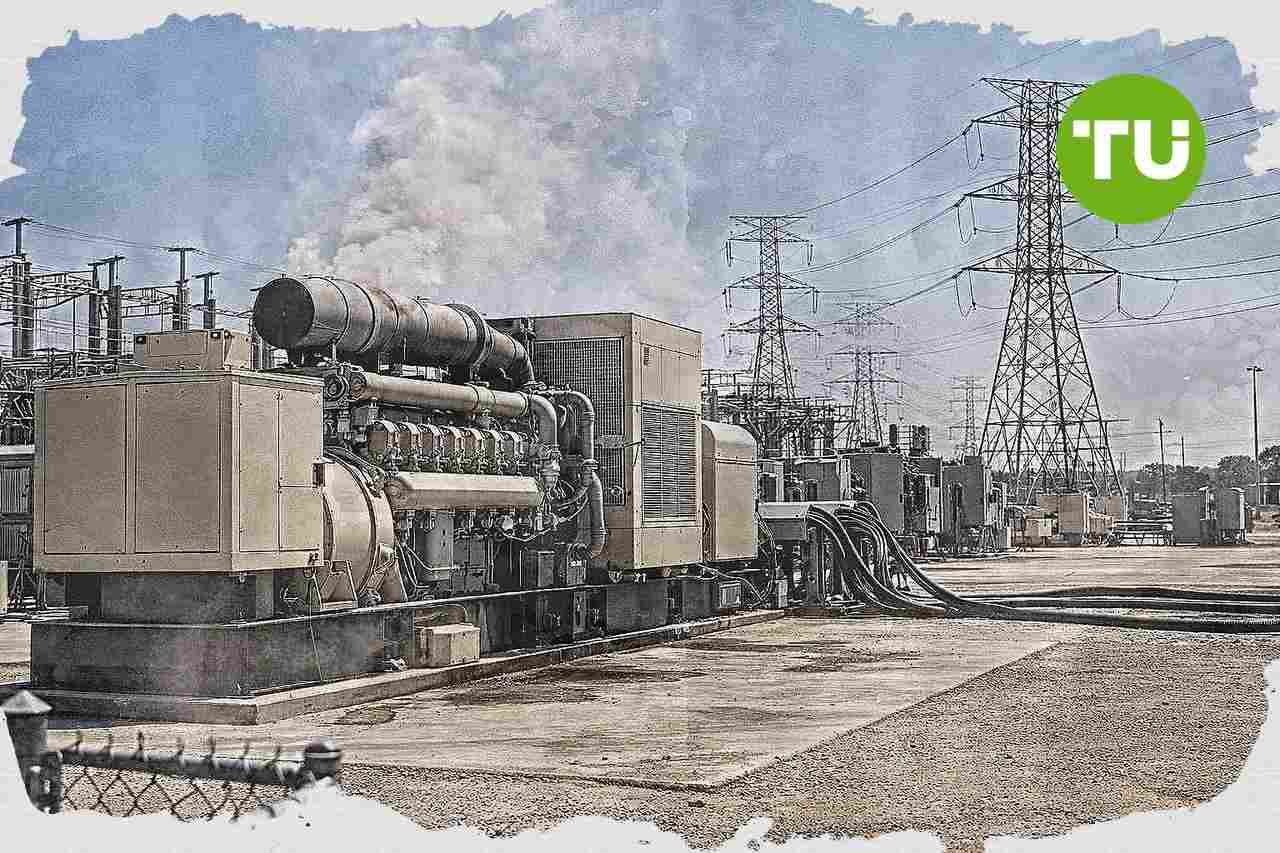
Amid elevated electricity demand tied to extreme heat, federal officials are taking temporary steps to support grid reliability in the Southwest region. The measure allows emergency use of specified and backup generation resources to reduce blackout risk during the current power emergency.
Highlights
- U.S. Department of Energy issued an emergency order for Southwest Power Pool, Inc. to dispatch specified units and backup generation starting July 20, 2026, expiring July 21, 2026.
- Order enables use of over 35 gigawatts of nationwide backup generation, aiming to keep electricity reliable and affordable during extreme Southwest heat.
- DOE cites power outages costing Americans $44 billion annually, highlighting significant economic stakes behind emergency measures to reduce blackout risk.
Emergency order and operating scope
As reported by U.S. Department of Energy, citing the agency, the agency issued an emergency order directing Southwest Power Pool, Inc. to dispatch specified units and order their operation as needed to maintain reliability. The order also authorizes SPP to direct backup generation resources to operate as a last resort before declaring an Energy Emergency Alert 3, or during an EEA 3.The order is issued in response to a request from SPP and takes effect upon issuance on July 20, 2026. It is set to expire at 11:59 p.m. ET on July 21, 2026.
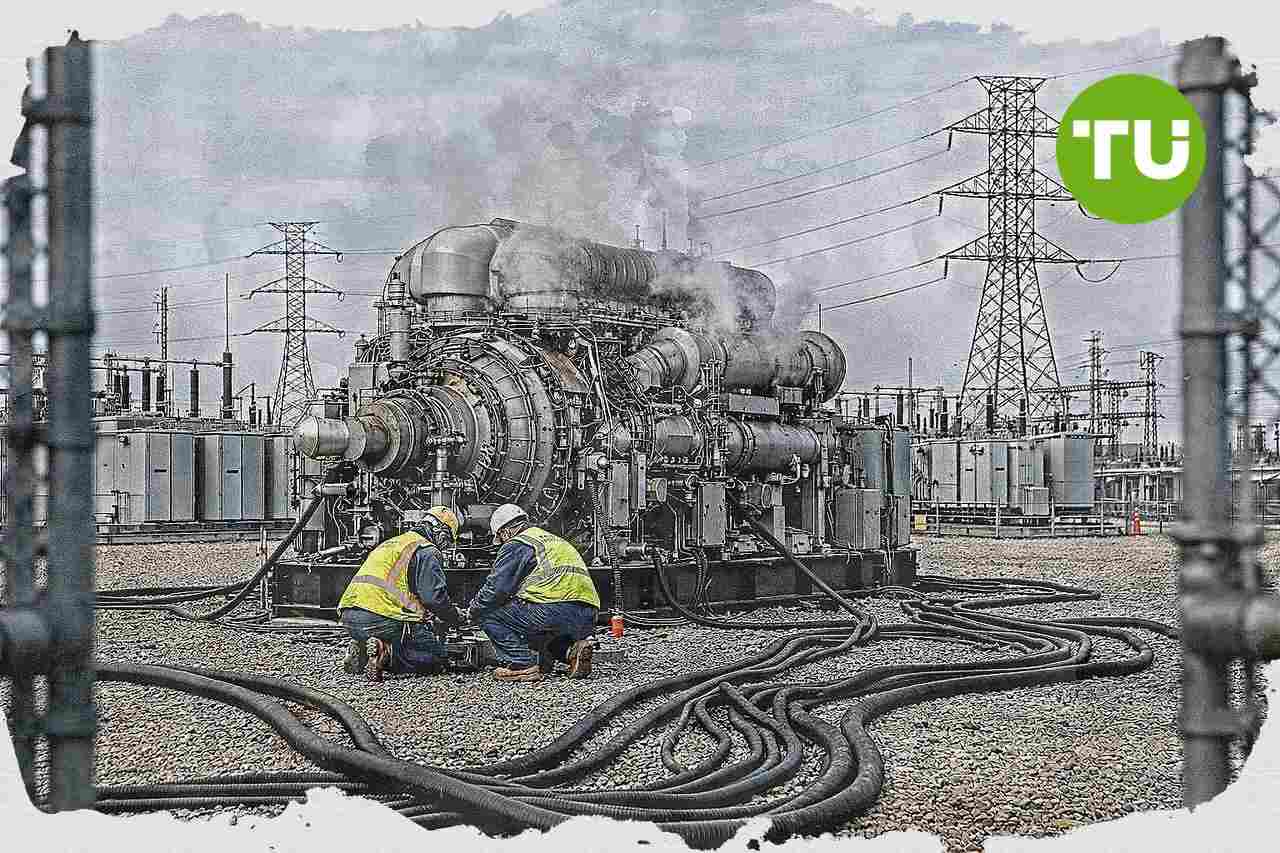
DOE says more than 35 gigawatts of unused backup generation remains available nationwide. Energy Secretary Chris Wright says the administration is using available backup supply to help keep power affordable, reliable and secure for households and businesses during the hot weather emergency.
Grid reliability and economic stakes
The action is aimed at limiting the risk of outages during a period of high temperatures that is straining regional electricity systems. DOE says the temporary order is intended to reduce the chance of blackouts and preserve service continuity for consumers and commercial users.The department also points to the broader financial impact of grid disruptions, citing data from DOE's National Laboratories that power outages cost Americans $44 billion a year. That frames the emergency intervention not only as a reliability measure, but also as a step to contain wider economic losses tied to service interruptions.
In our earlier article on the National Coal Council’s proposals to the U.S. Department of Energy, we detailed calls for federal financing to keep existing coal plants running and to support construction of new facilities. We also noted recommendations for power purchase agreements, coal infrastructure investment, and regulatory changes aimed at strengthening coal-fired generation as electricity demand rises.








-
 Afghanistan
-
 Albania
-
 Algeria
-
 Angola
-
 Argentina
-
 Armenia
-
 Australia
-
 Austria
-
 Azerbaijan
-
 Bahamas
-
 Bahrain
-
 Bangladesh
-
 Belarus
-
 Belgium
-
 Bolivia
-
 Botswana
-
 Brazil
-
 Brunei
-
 Bulgaria
-
 Cambodia
-
 Cameroon
-
 Canada
-
 Chile
Chile
-
 China
China
-
 Colombia
-
 Congo
Congo
-
 Costa Rica
-
 Cote d'Ivoire
-
 Croatia
-
 Cuba
Cuba
-
 Cyprus
-
 Czechia
-
 DR Congo
-
 Denmark
-
 Dominican Republic
-
 Ecuador
-
 Egypt
Egypt
-
 El Salvador
-
 Estonia
-
 Eswatini
-
 Ethiopia
-
 Finland
-
 France
-
 Georgia
-
 Germany
-
 Ghana
Ghana
-
 Greece
-
 Haiti
Haiti
-
 Hong Kong
-
 Hungary
-
 India
India
-
 Indonesia
-
 Iran, Islamic republic
-
 Iraq
Iraq
-
 Ireland
-
 Israel
-
 Italy
Italy
-
 Jamaica
-
 Japan
Japan
-
 Jordan
-
 Kazakhstan
-
 Kenya
Kenya
-
 Korea
Korea
-
 Kuwait
-
 Kyrgyzstan
-
 Laos
Laos
-
 Latvia
-
 Lebanon
-
 Lesotho
-
 Libya
Libya
-
 Lithuania
-
 Luxembourg
-
 Madagascar
-
 Malaysia
-
 Malta
Malta
-
 Mauritius
-
 Mexico
-
 Moldova
-
 Mongolia
-
 Montenegro
-
 Morocco
-
 Mozambique
-
 Myanmar
-
 Namibia
-
 Nepal
Nepal
-
 Netherlands
-
 New Zealand
-
 Nigeria
-
 North Macedonia
-
 Norway
-
 Oman
Oman
-
 Pakistan
-
 Palestine
-
 Panama
-
 Papua New Guinea
-
 Paraguay
-
 Peru
Peru
-
 Philippines
-
 Poland
-
 Portugal
-
 Puerto Rico
-
 Qatar
Qatar
-
 Reunion
-
 Romania
-
 Rwanda
-
 Saudi Arabia
-
 Serbia
-
 Singapore
-
 Slovakia
-
 Slovenia
-
 Somalia
-
 South Africa
-
 Spain
Spain
-
 Sri Lanka
-
 Sweden
-
 Switzerland
-
 Syria
Syria
-
 Taiwan
-
 Tajikistan
-
 Tanzania
-
 Thailand
-
 Trinidad and Tobago
-
 Tunisia
-
 Turkey
-
 UAE
UAE
-
 Uganda
-
 Ukraine
-
 United Kingdom
-
United States
-
 Uruguay
-
 Uzbekistan
-
 Venezuela
-
 Vietnam
-
 Yemen
Yemen
-
 Zambia
-
 Zimbabwe
- Forex
- Crypto












