
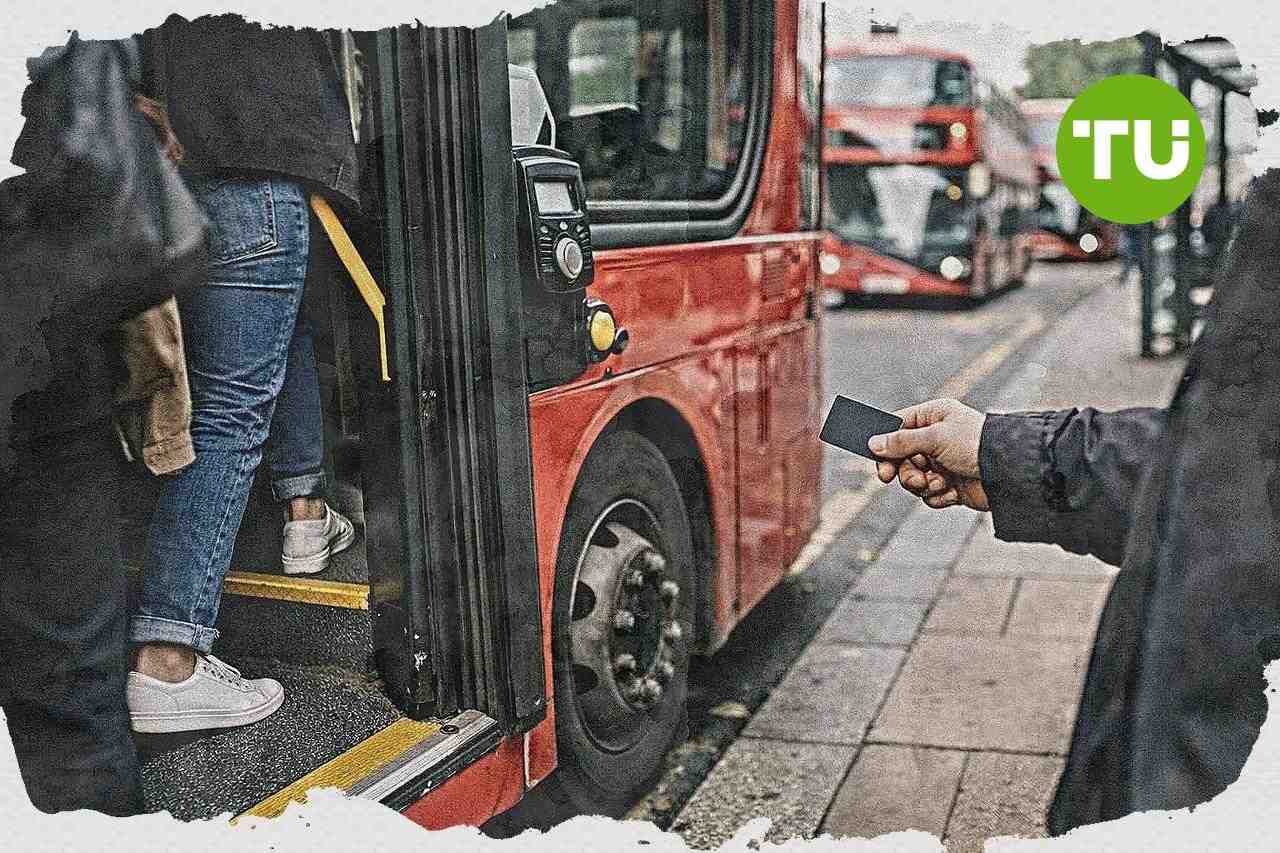
England is set to reintroduce a £2 cap on single bus fares from January 2027 as Andy Burnham's government pushes early cost-of-living measures. The 12-month policy is designed to cut fares by up to a third for millions of passengers and follows a separate move to reduce VAT on household energy bills.
Highlights
- England will introduce a £2 cap on bus fares nationwide for 12 months starting January 2027, diverting over £400mn from energy and climate finance budgets.
- Part of the £400mn funding involves switching international climate finance from grants to loans, with additional money sourced from existing transport department allocations.
- The policy aims to alleviate household costs, support bus passenger demand, and forms part of Burnham's broader initiative for improved connectivity and cost-of-living relief.
Funding plan and policy rollout
As reported by Financial Times, the government says more than £400mn for the bus fare cap will be diverted from the energy department, with part of the money coming from switching international climate finance projects from grants to loans.Additional funding is set to come from a transport department allocation that had already been earmarked for buses. Burnham says affordable transport links are essential and argues that people should not be priced out of access to work, services and opportunities.
The measure is due to run for 12 months from January 2027. The previous Conservative government had introduced a £2 fare cap for two years from January 2023, while Labour had earlier argued the scheme was unaffordable after taking power, although Burnham had backed an extension in Greater Manchester.
Political pressure and broader impact
The fare cap forms part of Burnham's attempt to show quick progress on household costs as his new administration takes office. But the broader cost-of-living package is already drawing scrutiny, with the government's energy bill intervention triggering an immediate dispute over how it will be financed.Burnham presents the transport move as part of a wider promise to build more connected communities across the country. Lower bus fares could ease pressure on household budgets while supporting passenger demand and local mobility across England.
The announcement also comes alongside a reshuffle of junior ministerial roles. Dan Jarvis returns as security minister, James Murray moves back to the Treasury as financial secretary, Lucy Rigby returns to her former Treasury role, and Anas Sarwar is set to join the revamped Department for Business, Innovation, Science and Trade.
In our earlier coverage of the UK’s plan to reintroduce a £2 cap on single bus fares from January 2027, we outlined how the 12-month scheme is positioned as an early cost-of-living measure expected to lower fares for millions of passengers. We also explained the proposed funding approach, including diverting more than £400 million from the energy department and reshuffling allocations while the government pushes a broader package to ease household pressures.


Latest Transportation News






-
 Afghanistan
-
 Albania
-
 Algeria
-
 Angola
-
 Argentina
-
 Armenia
-
 Australia
-
 Austria
-
 Azerbaijan
-
 Bahamas
-
 Bahrain
-
 Bangladesh
-
 Belarus
-
 Belgium
-
 Bolivia
-
 Botswana
-
 Brazil
-
 Brunei
-
 Bulgaria
-
 Cambodia
-
 Cameroon
-
 Canada
-
 Chile
Chile
-
 China
China
-
 Colombia
-
 Congo
Congo
-
 Costa Rica
-
 Cote d'Ivoire
-
 Croatia
-
 Cuba
Cuba
-
 Cyprus
-
 Czechia
-
 DR Congo
-
 Denmark
-
 Dominican Republic
-
 Ecuador
-
 Egypt
Egypt
-
 El Salvador
-
 Estonia
-
 Eswatini
-
 Ethiopia
-
 Finland
-
 France
-
 Georgia
-
 Germany
-
 Ghana
Ghana
-
 Greece
-
 Haiti
Haiti
-
 Hong Kong
-
 Hungary
-
 India
India
-
 Indonesia
-
 Iran, Islamic republic
-
 Iraq
Iraq
-
 Ireland
-
 Israel
-
 Italy
Italy
-
 Jamaica
-
 Japan
Japan
-
 Jordan
-
 Kazakhstan
-
 Kenya
Kenya
-
 Korea
Korea
-
 Kuwait
-
 Kyrgyzstan
-
 Laos
Laos
-
 Latvia
-
 Lebanon
-
 Lesotho
-
 Libya
Libya
-
 Lithuania
-
 Luxembourg
-
 Madagascar
-
 Malaysia
-
 Malta
Malta
-
 Mauritius
-
 Mexico
-
 Moldova
-
 Mongolia
-
 Montenegro
-
 Morocco
-
 Mozambique
-
 Myanmar
-
 Namibia
-
 Nepal
Nepal
-
 Netherlands
-
 New Zealand
-
 Nigeria
-
 North Macedonia
-
 Norway
-
 Oman
Oman
-
 Pakistan
-
 Palestine
-
 Panama
-
 Papua New Guinea
-
 Paraguay
-
 Peru
Peru
-
 Philippines
-
 Poland
-
 Portugal
-
 Puerto Rico
-
 Qatar
Qatar
-
 Reunion
-
 Romania
-
 Rwanda
-
 Saudi Arabia
-
 Serbia
-
 Singapore
-
 Slovakia
-
 Slovenia
-
 Somalia
-
 South Africa
-
 Spain
Spain
-
 Sri Lanka
-
 Sweden
-
 Switzerland
-
 Syria
Syria
-
 Taiwan
-
 Tajikistan
-
 Tanzania
-
 Thailand
-
 Trinidad and Tobago
-
 Tunisia
-
 Turkey
-
 UAE
UAE
-
 Uganda
-
 Ukraine
-
 United Kingdom
-
United States
-
 Uruguay
-
 Uzbekistan
-
 Venezuela
-
 Vietnam
-
 Yemen
Yemen
-
 Zambia
-
 Zimbabwe
- Forex
- Crypto












