
U.S. basic income pilots show mixed long-term financial effects for participants
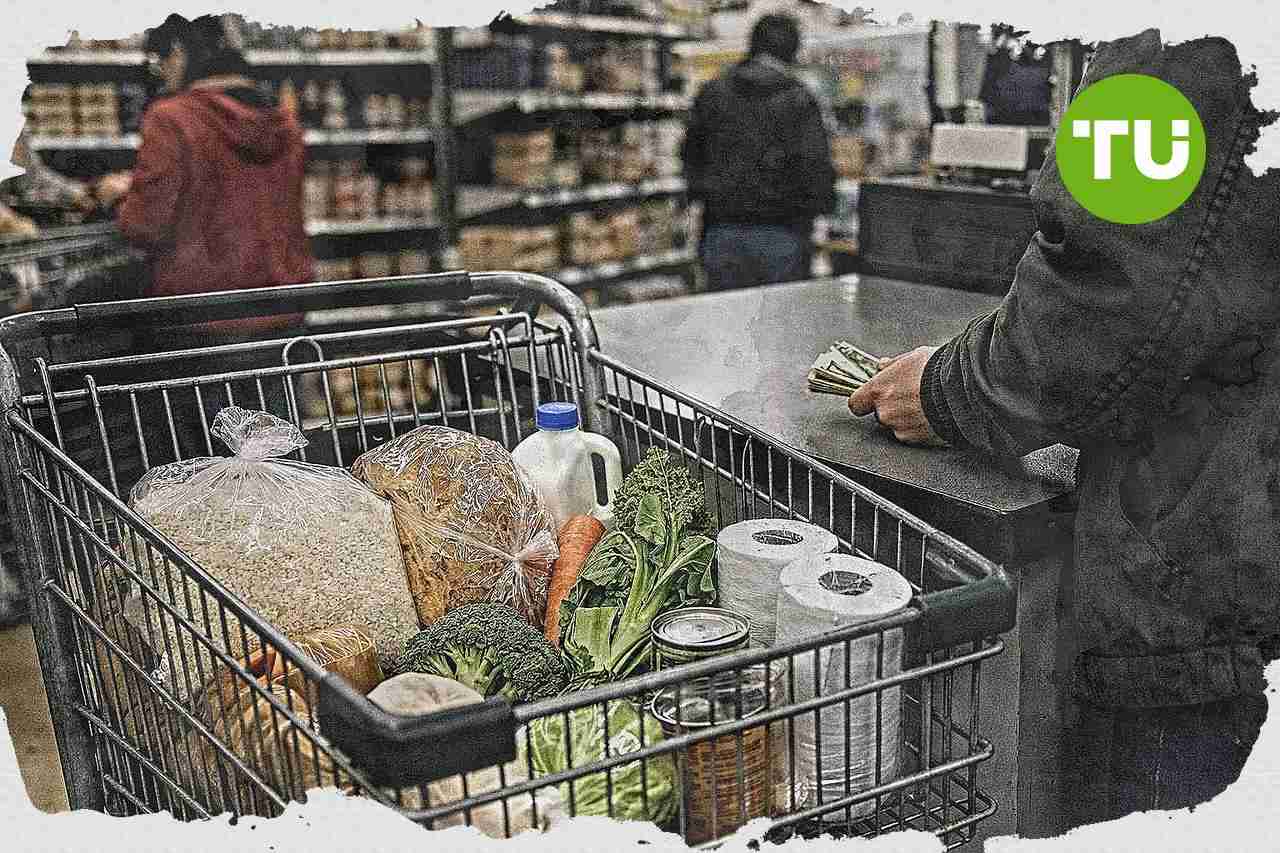
As early guaranteed basic income programs age in several U.S. cities, former recipients are offering a clearer view of how temporary cash support affects household finances after payments end. Their experiences suggest the money often improves housing, food security, childcare and career mobility in the short term, while longer-term savings and income stability remain uneven.
Highlights
- Multiple U.S. basic income pilots provided monthly payments from $500 to $850, delivering near-term gains in housing and income stability for participants.
- Research from 27 pilots published by Mayors for a Guaranteed Income found most participants gained stronger food and housing security, but long-term impacts on savings and retirement remain inconclusive.
- Political and budget constraints hamper program scalability, with critics raising concerns over work incentives and costs, and backers questioning long-term payoff despite early benefits.
Participant outcomes after payments end
As reported by Business Insider, former participants in guaranteed basic income programs say unrestricted monthly cash often helped them cover rent, groceries, childcare, transportation and emergency costs while they were receiving it, but the longer-term financial picture is less consistent.Cepia Harper, a 43-year-old Atlanta teacher and single parent, says the support helped her move out of a period of near homelessness and stabilize her housing. After her final $850 monthly payment from a local program in spring 2024, she started full-time teaching, but this summer she is again working multiple jobs, including a part-time role at a Nike store, to support her family.
Other recipients describe similar short-term gains with mixed results later on. Taniquewa Brewster, who received $12,000 over one year from a program in Austin, says the money helped her gain certifications needed for a promotion and improve her housing stability. Crystal Crawford, who received $500 a month in Georgia between December 2021 and 2022, says the payments helped with bills and professional certifications, though she still faces student loan debt and says her savings remain below where she wants them to be.
Recipients interviewed say the flexibility of cash was a central benefit because, unlike programs such as SNAP or Medicaid, it allowed them to direct money toward the most urgent needs. Some used it to reduce overtime work, pursue education, pay apartment deposits or support children's activities, while others say it eased medical or household expenses.
Funding pressures and policy debate continue
Research cited from 27 U.S. pilots published by nonprofit Mayors for a Guaranteed Income at the end of last year finds that most participants report stronger food and housing security, better mental health and more time with their children while receiving cash support.Even so, the article notes that less is known about how families fare years after payments stop, and participants say many pilots do not run long enough to materially improve retirement prospects or savings balances. Some former recipients report higher annual earnings linked to career growth, but that outcome is not universal.
The programs also face political and budget constraints. Supporters, including some tech leaders and progressive lawmakers, have argued that basic income can help households facing poverty, housing insecurity and labor-market disruption tied to AI, but some backers have since questioned whether the payoff justifies the cost.
Critics argue that unconditional cash may discourage work or add too much taxpayer expense alongside existing safety-net programs. Because pilots are typically funded by local governments and philanthropists, sustaining them beyond a few years remains difficult, leaving the broader long-term case for guaranteed basic income unsettled.
In our earlier article on rising UK summer holiday childcare costs, we noted that many families face steep bills for holiday clubs and wraparound care during the six-week school break, with the sharpest increases in London and the South East. We also highlighted how limited opening hours, eligibility cut-offs for funded free hours, and funding shortfalls for nurseries are shifting more costs onto parents—especially single-parent households and families with disabled children.


Latest Labor Market News







-
 Afghanistan
-
 Albania
-
 Algeria
-
 Angola
-
 Argentina
-
 Armenia
-
 Australia
-
 Austria
-
 Azerbaijan
-
 Bahamas
-
 Bahrain
-
 Bangladesh
-
 Belarus
-
 Belgium
-
 Bolivia
-
 Botswana
-
 Brazil
-
 Brunei
-
 Bulgaria
-
 Cambodia
-
 Cameroon
-
 Canada
-
 Chile
Chile
-
 China
China
-
 Colombia
-
 Congo
Congo
-
 Costa Rica
-
 Cote d'Ivoire
-
 Croatia
-
 Cuba
Cuba
-
 Cyprus
-
 Czechia
-
 DR Congo
-
 Denmark
-
 Dominican Republic
-
 Ecuador
-
 Egypt
Egypt
-
 El Salvador
-
 Estonia
-
 Eswatini
-
 Ethiopia
-
 Finland
-
 France
-
 Georgia
-
 Germany
-
 Ghana
Ghana
-
 Greece
-
 Haiti
Haiti
-
 Hong Kong
-
 Hungary
-
 India
India
-
 Indonesia
-
 Iran, Islamic republic
-
 Iraq
Iraq
-
 Ireland
-
 Israel
-
 Italy
Italy
-
 Jamaica
-
 Japan
Japan
-
 Jordan
-
 Kazakhstan
-
 Kenya
Kenya
-
 Korea
Korea
-
 Kuwait
-
 Kyrgyzstan
-
 Laos
Laos
-
 Latvia
-
 Lebanon
-
 Lesotho
-
 Libya
Libya
-
 Lithuania
-
 Luxembourg
-
 Madagascar
-
 Malaysia
-
 Malta
Malta
-
 Mauritius
-
 Mexico
-
 Moldova
-
 Mongolia
-
 Montenegro
-
 Morocco
-
 Mozambique
-
 Myanmar
-
 Namibia
-
 Nepal
Nepal
-
 Netherlands
-
 New Zealand
-
 Nigeria
-
 North Macedonia
-
 Norway
-
 Oman
Oman
-
 Pakistan
-
 Palestine
-
 Panama
-
 Papua New Guinea
-
 Paraguay
-
 Peru
Peru
-
 Philippines
-
 Poland
-
 Portugal
-
 Puerto Rico
-
 Qatar
Qatar
-
 Reunion
-
 Romania
-
 Rwanda
-
 Saudi Arabia
-
 Serbia
-
 Singapore
-
 Slovakia
-
 Slovenia
-
 Somalia
-
 South Africa
-
 Spain
Spain
-
 Sri Lanka
-
 Sweden
-
 Switzerland
-
 Syria
Syria
-
 Taiwan
-
 Tajikistan
-
 Tanzania
-
 Thailand
-
 Trinidad and Tobago
-
 Tunisia
-
 Turkey
-
 UAE
UAE
-
 Uganda
-
 Ukraine
-
 United Kingdom
-
United States
-
 Uruguay
-
 Uzbekistan
-
 Venezuela
-
 Vietnam
-
 Yemen
Yemen
-
 Zambia
-
 Zimbabwe
- Forex
- Crypto












