

Nvidia financing talks for OpenAI data center project stir bubble concerns across AI sector
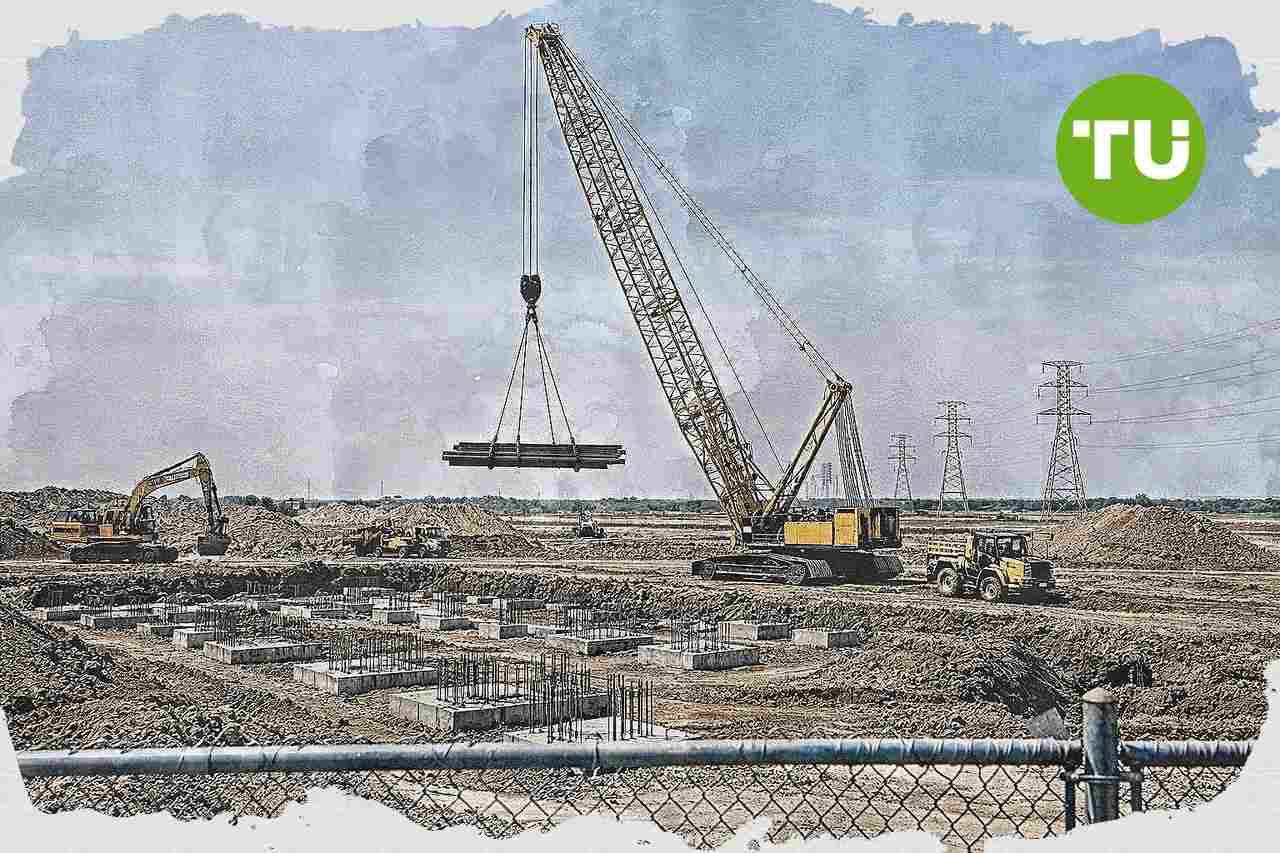
As investment in artificial intelligence infrastructure accelerates, concerns are resurfacing about whether suppliers are becoming too financially tied to the customers driving demand. Jim Cramer says reported talks around Nvidia backing OpenAI's planned Ohio data center expansion recall financing patterns that preceded the dot-com crash.
Highlights
- Nvidia is in talks to provide a $250 billion backstop for OpenAI's planned 10-gigawatt AI data center project in Ohio, supporting lease and construction debt.
- Nvidia shares fell over 4% on Monday, pressuring other semiconductor stocks as investors reacted to increased financial exposure tied to major AI customers.
- Concerns are rising that heavy supplier financing for data center investments could create systemic risks for Nvidia and the broader AI sector if customers become overextended.
Ohio data center financing plan draws scrutiny
As reported by CNBC, citing The Wall Street Journal, Nvidia is discussing a $250 billion backstop for OpenAI that would help finance a planned 10-gigawatt artificial intelligence data center campus in Ohio. CNBC confirms the report on Monday, while Nvidia declines to comment on the discussions.The proposed guarantee is aimed at supporting the project's lease and construction debt rather than the Nvidia chips intended for use inside the facility. Nvidia shares fall more than 4% on Monday, dragging down many semiconductor stocks as investors weigh the implications of deeper financial exposure to major customers.
Cramer says the arrangement reflects the increasingly circular nature of AI financing. Nvidia has invested in several companies that also buy large volumes of its chips, including a $30 billion investment in OpenAI in March and a $10 billion investment in Anthropic last year, while also backing neocloud providers that rent Nvidia-powered computing capacity.
Broader AI market exposure worries investors
Cramer says the pattern reminds him of the late 1990s, when telecom equipment suppliers helped customers finance large purchases to sustain growth. He argues that those deals initially lifted sales but later unraveled when buyers ran short of cash, leaving suppliers and investors exposed to heavy losses.Although Cramer says he still views Nvidia as an exceptionally strong company, he is not predicting a repeat of the dot-com crash. He says the main risk is that investor confidence can erode quickly when customer spending depends on continued access to capital and suppliers become too reliant on that funding chain.
OpenAI confidentially filed for an initial public offering in June but has not announced a timetable for its market debut. The company was valued at more than $800 billion by private investors in March as it expands computing infrastructure for its AI models and competes with rivals including Alphabet and Meta.
Cramer says the risk reaches beyond Nvidia because many companies now depend on ongoing data center investment for earnings growth. In his view, even a strong balance sheet is not enough protection if customers become overextended, and he argues Nvidia should avoid such guarantees regardless of its financial capacity.
In our earlier article on rising credit stress tied to debt-funded AI infrastructure, we noted that credit default swap costs were jumping across major tech names as investors questioned whether data center spending can generate cash flow fast enough to support growing leverage. We also highlighted that Nvidia was reportedly in talks about a massive guarantee connected to OpenAI’s data center financing, underscoring broader market anxiety about how far this funding cycle can stretch.





Latest NVIDIA News



-
 Afghanistan
-
 Albania
-
 Algeria
-
 Angola
-
 Argentina
-
 Armenia
-
 Australia
-
 Austria
-
 Azerbaijan
-
 Bahamas
-
 Bahrain
-
 Bangladesh
-
 Belarus
-
 Belgium
-
 Bolivia
-
 Botswana
-
 Brazil
-
 Brunei
-
 Bulgaria
-
 Cambodia
-
 Cameroon
-
 Canada
-
 Chile
Chile
-
 China
China
-
 Colombia
-
 Congo
Congo
-
 Costa Rica
-
 Cote d'Ivoire
-
 Croatia
-
 Cuba
Cuba
-
 Cyprus
-
 Czechia
-
 DR Congo
-
 Denmark
-
 Dominican Republic
-
 Ecuador
-
 Egypt
Egypt
-
 El Salvador
-
 Estonia
-
 Eswatini
-
 Ethiopia
-
 Finland
-
 France
-
 Georgia
-
 Germany
-
 Ghana
Ghana
-
 Greece
-
 Haiti
Haiti
-
 Hong Kong
-
 Hungary
-
 India
India
-
 Indonesia
-
 Iran, Islamic republic
-
 Iraq
Iraq
-
 Ireland
-
 Israel
-
 Italy
Italy
-
 Jamaica
-
 Japan
Japan
-
 Jordan
-
 Kazakhstan
-
 Kenya
Kenya
-
 Korea
Korea
-
 Kuwait
-
 Kyrgyzstan
-
 Laos
Laos
-
 Latvia
-
 Lebanon
-
 Lesotho
-
 Libya
Libya
-
 Lithuania
-
 Luxembourg
-
 Madagascar
-
 Malaysia
-
 Malta
Malta
-
 Mauritius
-
 Mexico
-
 Moldova
-
 Mongolia
-
 Montenegro
-
 Morocco
-
 Mozambique
-
 Myanmar
-
 Namibia
-
 Nepal
Nepal
-
 Netherlands
-
 New Zealand
-
 Nigeria
-
 North Macedonia
-
 Norway
-
 Oman
Oman
-
 Pakistan
-
 Palestine
-
 Panama
-
 Papua New Guinea
-
 Paraguay
-
 Peru
Peru
-
 Philippines
-
 Poland
-
 Portugal
-
 Puerto Rico
-
 Qatar
Qatar
-
 Reunion
-
 Romania
-
 Rwanda
-
 Saudi Arabia
-
 Serbia
-
 Singapore
-
 Slovakia
-
 Slovenia
-
 Somalia
-
 South Africa
-
 Spain
Spain
-
 Sri Lanka
-
 Sweden
-
 Switzerland
-
 Syria
Syria
-
 Taiwan
-
 Tajikistan
-
 Tanzania
-
 Thailand
-
 Trinidad and Tobago
-
 Tunisia
-
 Turkey
-
 UAE
UAE
-
 Uganda
-
 Ukraine
-
 United Kingdom
-
United States
-
 Uruguay
-
 Uzbekistan
-
 Venezuela
-
 Vietnam
-
 Yemen
Yemen
-
 Zambia
-
 Zimbabwe
- Forex
- Crypto












