
White House tariff escalation raises risks for U.S. trade and inflation outlook
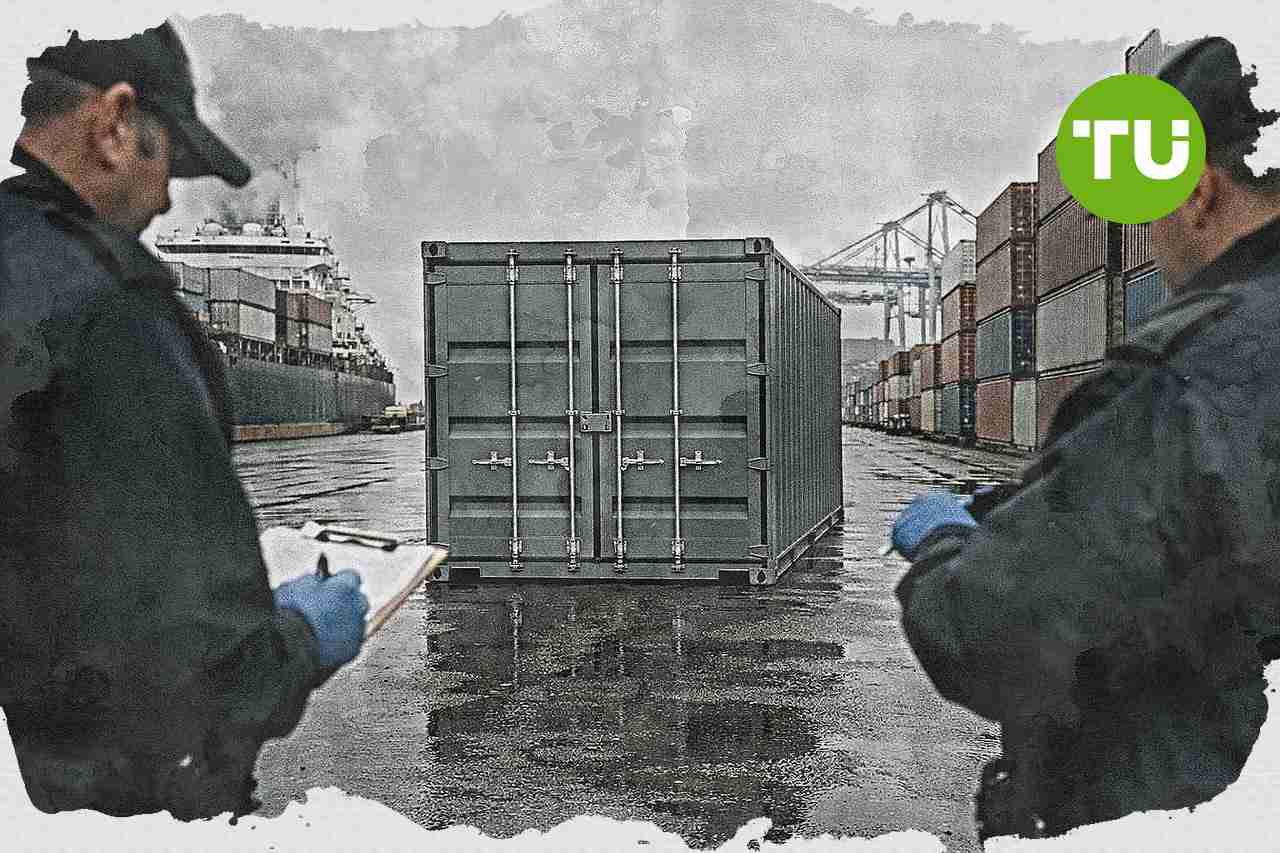
After the Supreme Court blocks the White House's earlier "Liberation Day" tariffs this year, the administration shifts to new legal tools to keep broad import duties in place. The latest measures target forced-labor enforcement, overcapacity and specific trading partners, extending pressure on prices, investment and North American trade flows.
Highlights
- White House raises Section 301 tariffs up to 12.5% on imports from countries lacking forced-labor bans, affecting nearly all goods without an automatic expiration.
- Average effective tariff rate may rise from 11% to 14% as new forced-labor and overcapacity measures combine with a 25% tariff on Brazil and 50% duties on $20 billion of Canadian goods.
- Tariff escalation increases inflation and business uncertainty, potentially prompting Federal Reserve rate hikes while raising revenue but deepening risks of fiscal dependency on trade taxes.
New tariff measures broaden trade restrictions
As reported by Bloomberg, the administration is now using Section 301 tariffs of up to 12.5% on U.S. trading partners that have not passed or enforced laws banning products made with forced labor. The White House says that standard could apply to almost all goods imported by the U.S., and the policy has no automatic expiration date even after the earlier 150-day 10% tariff lapses last week.Further investigations are also underway to penalize China and other countries over alleged overcapacity that harms the U.S. Combined with the new forced-labor measures, these added import taxes could lift the average effective tariff rate from 11% in recent months back to 14%, restoring most of the effect of the struck-down tariff schedule.
Earlier this month, the administration also imposes new 25% tariffs on certain imports from Brazil, citing unfair trade practices. Last week, it announces new duties of 50% on $20 billion of imports from Canada as counterretaliation for Canada's earlier response to other U.S. barriers, using Section 338 tariffs that appear to override exemptions in the U.S.-Mexico-Canada Agreement for much of North American trade.
Inflation and investment concerns intensify
The escalation adds to concerns about consumer prices as mid-term elections approach and voters remain focused on affordability. Higher tariffs are expected to push prices up again, and a renewed rise in inflation could force the Federal Reserve to raise interest rates.Beyond pricing pressure, the policy mix is seen as adding costs and prolonging uncertainty for businesses, which continues to weigh on investment. The expected gains, including a smaller trade deficit and stronger manufacturing employment, are still not evident.
Tariffs are generating revenue, but that benefit is offset by the drag that growth-suppressing taxes place on the economy's ability to support public debt. A deeper risk is that Washington becomes increasingly dependent on tariffs to delay fiscal strain, making the eventual adjustment more severe.
In our earlier coverage of the new wave of U.S. tariff measures, we explained how the administration rolled out replacement duties— including forced-labor tariffs and higher levies on Canadian goods—after earlier emergency tariffs were overturned, with an eye on rebuilding customs revenue. We also noted that the fiscal shortfall could keep pressure on Treasury yields and inflation expectations, adding another layer of risk for markets alongside shifting equity supply dynamics.


Latest Tariffs News






-
 Afghanistan
-
 Albania
-
 Algeria
-
 Angola
-
 Argentina
-
 Armenia
-
 Australia
-
 Austria
-
 Azerbaijan
-
 Bahamas
-
 Bahrain
-
 Bangladesh
-
 Belarus
-
 Belgium
-
 Bolivia
-
 Botswana
-
 Brazil
-
 Brunei
-
 Bulgaria
-
 Cambodia
-
 Cameroon
-
 Canada
-
 Chile
Chile
-
 China
China
-
 Colombia
-
 Congo
Congo
-
 Costa Rica
-
 Cote d'Ivoire
-
 Croatia
-
 Cuba
Cuba
-
 Cyprus
-
 Czechia
-
 DR Congo
-
 Denmark
-
 Dominican Republic
-
 Ecuador
-
 Egypt
Egypt
-
 El Salvador
-
 Estonia
-
 Eswatini
-
 Ethiopia
-
 Finland
-
 France
-
 Georgia
-
 Germany
-
 Ghana
Ghana
-
 Greece
-
 Haiti
Haiti
-
 Hong Kong
-
 Hungary
-
 India
India
-
 Indonesia
-
 Iran, Islamic republic
-
 Iraq
Iraq
-
 Ireland
-
 Israel
-
 Italy
Italy
-
 Jamaica
-
 Japan
Japan
-
 Jordan
-
 Kazakhstan
-
 Kenya
Kenya
-
 Korea
Korea
-
 Kuwait
-
 Kyrgyzstan
-
 Laos
Laos
-
 Latvia
-
 Lebanon
-
 Lesotho
-
 Libya
Libya
-
 Lithuania
-
 Luxembourg
-
 Madagascar
-
 Malaysia
-
 Malta
Malta
-
 Mauritius
-
 Mexico
-
 Moldova
-
 Mongolia
-
 Montenegro
-
 Morocco
-
 Mozambique
-
 Myanmar
-
 Namibia
-
 Nepal
Nepal
-
 Netherlands
-
 New Zealand
-
 Nigeria
-
 North Macedonia
-
 Norway
-
 Oman
Oman
-
 Pakistan
-
 Palestine
-
 Panama
-
 Papua New Guinea
-
 Paraguay
-
 Peru
Peru
-
 Philippines
-
 Poland
-
 Portugal
-
 Puerto Rico
-
 Qatar
Qatar
-
 Reunion
-
 Romania
-
 Rwanda
-
 Saudi Arabia
-
 Serbia
-
 Singapore
-
 Slovakia
-
 Slovenia
-
 Somalia
-
 South Africa
-
 Spain
Spain
-
 Sri Lanka
-
 Sweden
-
 Switzerland
-
 Syria
Syria
-
 Taiwan
-
 Tajikistan
-
 Tanzania
-
 Thailand
-
 Trinidad and Tobago
-
 Tunisia
-
 Turkey
-
 UAE
UAE
-
 Uganda
-
 Ukraine
-
 United Kingdom
-
United States
-
 Uruguay
-
 Uzbekistan
-
 Venezuela
-
 Vietnam
-
 Yemen
Yemen
-
 Zambia
-
 Zimbabwe
- Forex
- Crypto












