
Big Tech capex scrutiny deepens after Alphabet raises spending outlook
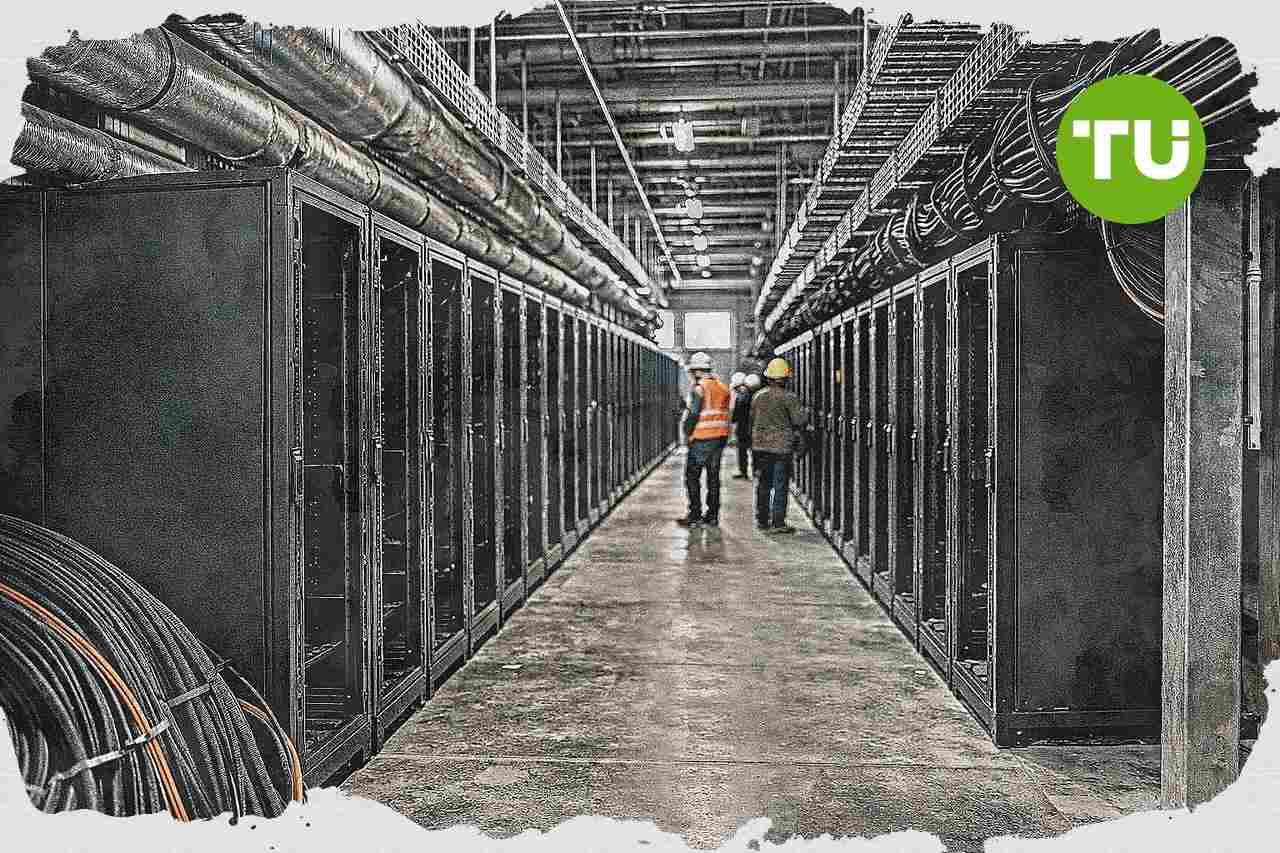
Investor concerns over artificial intelligence infrastructure spending are intensifying as major U.S. technology groups head into earnings this week. Alphabet’s higher 2026 capital expenditure forecast and negative free cash flow are raising expectations that Amazon and Microsoft may face similar pressure if they expand spending plans.
Highlights
- Alphabet raises its 2026 capital spending forecast to accelerate AI data center buildout, causing shares of Amazon, Meta, Microsoft, and Alphabet to fall.
- Market expectations for annual capex and finance leases reach $190.1 billion for Microsoft and $207.4 billion for Amazon post-Alphabet earnings, with pressure building on peers to follow suit.
- Alphabet’s long-term debt surges 111% to $98 billion by mid-2026 as second-quarter cash flow turns negative, while Amazon's long-term debt rises 81% to $119 billion by March 31.
Alphabet results reset investor expectations
As reported by CNBC, the market reaction shifts after Alphabet says with its second-quarter earnings that it is increasing its 2026 capital spending forecast as it accelerates data center expansion for artificial intelligence. The move sends shares of Amazon, Meta and Microsoft lower alongside Alphabet, even though Google’s cloud business reports faster growth.Alphabet had been seen as Wall Street’s preferred hyperscaler because of its ability to turn heavy infrastructure spending into revenue growth. That standing is now under greater pressure, with investors focusing more closely on shrinking cash reserves and the uncertain payoff period for AI-related buildouts.
Evercore ISI internet research head Mark Mahaney writes in a note that Alphabet’s capex increase raises the odds that Amazon and Microsoft take similar steps. His view comes as Microsoft and Meta are due to report after the close on Wednesday, with Amazon following on Thursday.
Cloud and AI spending face broader market test
Analysts are now watching whether rivals can justify bigger budgets in an environment where capital intensity is no longer automatically rewarded. Cowen analyst Derrick Wood tells CNBC that another capex increase from peers could trigger selling pressure, based on the reaction to Alphabet.Visible Alpha data cited in the report show analysts expect about $190.1 billion in annual capex and finance leases from Microsoft, while consensus for Amazon rises by nearly $2 billion to $207.4 billion after Alphabet’s report. Microsoft said in April that the yearly figure could reach $190 billion, including $25 billion tied to higher component costs as AI chip demand strains memory supply.
Amazon is also under focus because of rising debt and weaker cash generation as it funds AI, custom chips and its developing satellite internet business. Its long-term debt climbs 81% to $119 billion between Dec. 31 and March 31, while Alphabet’s long-term debt rises 111% to $98 billion in the first six months of 2026 and its cash flow turns negative in the second quarter for the first time.
Investors are increasingly favoring business models with lighter capital requirements. Meta, which lacks an established cloud business, is expected to post $138.9 billion in capex this year and previously said the figure could reach $145 billion, while it also looks to sell computing power to third parties. FactSet estimates cited in the report show Microsoft’s free cash flow is expected to turn negative in the fourth quarter, and Amazon’s free cash flow is forecast to remain negative for the full year.
Rising credit-hedging costs for AI infrastructure leaders show investors are increasingly worried about how quickly heavy data center and chip spending can translate into cash flow. Our earlier report noted that credit default swap levels for companies such as Alphabet, Amazon, Meta and Oracle moved sharply higher, reflecting concern about expanding debt loads and the risk of future downgrades as capital intensity rises.


Latest Alphabet Inc Class C News







-
 Afghanistan
-
 Albania
-
 Algeria
-
 Angola
-
 Argentina
-
 Armenia
-
 Australia
-
 Austria
-
 Azerbaijan
-
 Bahamas
-
 Bahrain
-
 Bangladesh
-
 Belarus
-
 Belgium
-
 Bolivia
-
 Botswana
-
 Brazil
-
 Brunei
-
 Bulgaria
-
 Cambodia
-
 Cameroon
-
 Canada
-
 Chile
Chile
-
 China
China
-
 Colombia
-
 Congo
Congo
-
 Costa Rica
-
 Cote d'Ivoire
-
 Croatia
-
 Cuba
Cuba
-
 Cyprus
-
 Czechia
-
 DR Congo
-
 Denmark
-
 Dominican Republic
-
 Ecuador
-
 Egypt
Egypt
-
 El Salvador
-
 Estonia
-
 Eswatini
-
 Ethiopia
-
 Finland
-
 France
-
 Georgia
-
 Germany
-
 Ghana
Ghana
-
 Greece
-
 Haiti
Haiti
-
 Hong Kong
-
 Hungary
-
 India
India
-
 Indonesia
-
 Iran, Islamic republic
-
 Iraq
Iraq
-
 Ireland
-
 Israel
-
 Italy
Italy
-
 Jamaica
-
 Japan
Japan
-
 Jordan
-
 Kazakhstan
-
 Kenya
Kenya
-
 Korea
Korea
-
 Kuwait
-
 Kyrgyzstan
-
 Laos
Laos
-
 Latvia
-
 Lebanon
-
 Lesotho
-
 Libya
Libya
-
 Lithuania
-
 Luxembourg
-
 Madagascar
-
 Malaysia
-
 Malta
Malta
-
 Mauritius
-
 Mexico
-
 Moldova
-
 Mongolia
-
 Montenegro
-
 Morocco
-
 Mozambique
-
 Myanmar
-
 Namibia
-
 Nepal
Nepal
-
 Netherlands
-
 New Zealand
-
 Nigeria
-
 North Macedonia
-
 Norway
-
 Oman
Oman
-
 Pakistan
-
 Palestine
-
 Panama
-
 Papua New Guinea
-
 Paraguay
-
 Peru
Peru
-
 Philippines
-
 Poland
-
 Portugal
-
 Puerto Rico
-
 Qatar
Qatar
-
 Reunion
-
 Romania
-
 Rwanda
-
 Saudi Arabia
-
 Serbia
-
 Singapore
-
 Slovakia
-
 Slovenia
-
 Somalia
-
 South Africa
-
 Spain
Spain
-
 Sri Lanka
-
 Sweden
-
 Switzerland
-
 Syria
Syria
-
 Taiwan
-
 Tajikistan
-
 Tanzania
-
 Thailand
-
 Trinidad and Tobago
-
 Tunisia
-
 Turkey
-
 UAE
UAE
-
 Uganda
-
 Ukraine
-
 United Kingdom
-
United States
-
 Uruguay
-
 Uzbekistan
-
 Venezuela
-
 Vietnam
-
 Yemen
Yemen
-
 Zambia
-
 Zimbabwe
- Forex
- Crypto












