

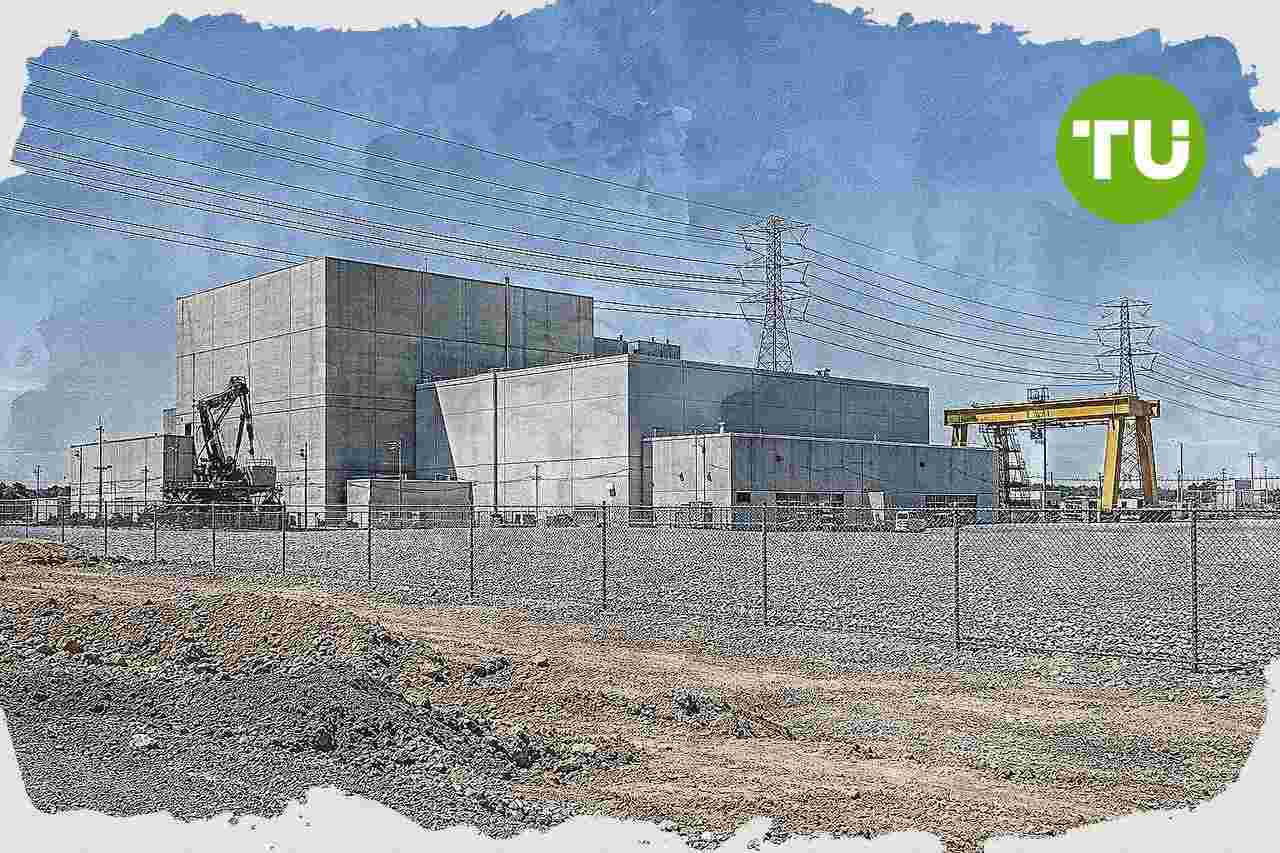
The U.S. Department of Energy is advancing a new push to rebuild the domestic nuclear fuel cycle by naming five states as potential hosts for Nuclear Lifecycle Innovation Campuses. The initiative is aimed at drawing major industrial investment, expanding manufacturing capacity and supporting job creation across regional energy hubs.
Highlights
- Utah, Tennessee, Oklahoma, Louisiana, and Idaho were selected by the Department of Energy from 28 applications to explore Nuclear Lifecycle Innovation Campuses.
- DOE states a single nuclear campus could attract up to $50 billion in capital investment, $10 billion in tax revenue, and generate nearly 25,000 jobs.
- The initiative supports U.S. nuclear supply chain modernization, energy security, and manufacturing capacity, with formal hosting agreements to be signed in future stages.
State selection and campus scope
As reported by U.S. Department of Energy, Utah, Tennessee, Oklahoma, Louisiana and Idaho are selected as initial contenders to continue exploring the development of Nuclear Lifecycle Innovation Campuses, after 28 applications arrived from 26 states.Energy Secretary Chris Wright signs Memorandums of Understanding with the five states to examine hosting opportunities and to support a broader federal effort to modernize the nation’s full nuclear fuel cycle. States submitted responses by April 1, 2026, after DOE earlier in the year invited statements of interest and feedback on the structure of the campuses.
The proposed sites are designed to support activities across the nuclear fuel lifecycle, including fuel fabrication, enrichment, reprocessing of used nuclear fuel and final disposition of used nuclear fuel. Depending on regional priorities and capabilities, campuses may also include advanced reactor deployment, power generation, advanced manufacturing and co-located data centers.
Investment potential and regional industry impact
The department says a single campus has the potential to attract up to $50 billion in capital investment, generate as much as $10 billion in state and local tax revenue and create nearly 25,000 jobs. DOE presents the program as part of a broader strategy to strengthen domestic supply chains, energy security and U.S. nuclear manufacturing capacity.Governors from the five states say the project could deepen their roles in nuclear energy, industrial development and workforce expansion. States that decide to keep pursuing a campus will sign hosting agreements with the department at a later date.
Our earlier article on Nvidia’s planned $50 billion Texas data center lease explained how chipmakers are increasingly investing in large computing infrastructure to support surging AI and cloud workloads. We noted that expanding data storage and processing capacity can strengthen a company’s competitive position, while also raising questions for investors about how such mega-projects are financed and the risks tied to rapid buildouts.





Latest UTrade Markets News





-
 Afghanistan
-
 Albania
-
 Algeria
-
 Angola
-
 Argentina
-
 Armenia
-
 Australia
-
 Austria
-
 Azerbaijan
-
 Bahamas
-
 Bahrain
-
 Bangladesh
-
 Belarus
-
 Belgium
-
 Bolivia
-
 Botswana
-
 Brazil
-
 Brunei
-
 Bulgaria
-
 Cambodia
-
 Cameroon
-
 Canada
-
 Chile
Chile
-
 China
China
-
 Colombia
-
 Congo
Congo
-
 Costa Rica
-
 Cote d'Ivoire
-
 Croatia
-
 Cuba
Cuba
-
 Cyprus
-
 Czechia
-
 DR Congo
-
 Denmark
-
 Dominican Republic
-
 Ecuador
-
 Egypt
Egypt
-
 El Salvador
-
 Estonia
-
 Eswatini
-
 Ethiopia
-
 Finland
-
 France
-
 Georgia
-
 Germany
-
 Ghana
Ghana
-
 Greece
-
 Haiti
Haiti
-
 Hong Kong
-
 Hungary
-
 India
India
-
 Indonesia
-
 Iran, Islamic republic
-
 Iraq
Iraq
-
 Ireland
-
 Israel
-
 Italy
Italy
-
 Jamaica
-
 Japan
Japan
-
 Jordan
-
 Kazakhstan
-
 Kenya
Kenya
-
 Korea
Korea
-
 Kuwait
-
 Kyrgyzstan
-
 Laos
Laos
-
 Latvia
-
 Lebanon
-
 Lesotho
-
 Libya
Libya
-
 Lithuania
-
 Luxembourg
-
 Madagascar
-
 Malaysia
-
 Malta
Malta
-
 Mauritius
-
 Mexico
-
 Moldova
-
 Mongolia
-
 Montenegro
-
 Morocco
-
 Mozambique
-
 Myanmar
-
 Namibia
-
 Nepal
Nepal
-
 Netherlands
-
 New Zealand
-
 Nigeria
-
 North Macedonia
-
 Norway
-
 Oman
Oman
-
 Pakistan
-
 Palestine
-
 Panama
-
 Papua New Guinea
-
 Paraguay
-
 Peru
Peru
-
 Philippines
-
 Poland
-
 Portugal
-
 Puerto Rico
-
 Qatar
Qatar
-
 Reunion
-
 Romania
-
 Rwanda
-
 Saudi Arabia
-
 Serbia
-
 Singapore
-
 Slovakia
-
 Slovenia
-
 Somalia
-
 South Africa
-
 Spain
Spain
-
 Sri Lanka
-
 Sweden
-
 Switzerland
-
 Syria
Syria
-
 Taiwan
-
 Tajikistan
-
 Tanzania
-
 Thailand
-
 Trinidad and Tobago
-
 Tunisia
-
 Turkey
-
 UAE
UAE
-
 Uganda
-
 Ukraine
-
 United Kingdom
-
United States
-
 Uruguay
-
 Uzbekistan
-
 Venezuela
-
 Vietnam
-
 Yemen
Yemen
-
 Zambia
-
 Zimbabwe
- Forex
- Crypto












