

Vulcan Materials tops quarterly profit estimates as construction materials demand stays firm
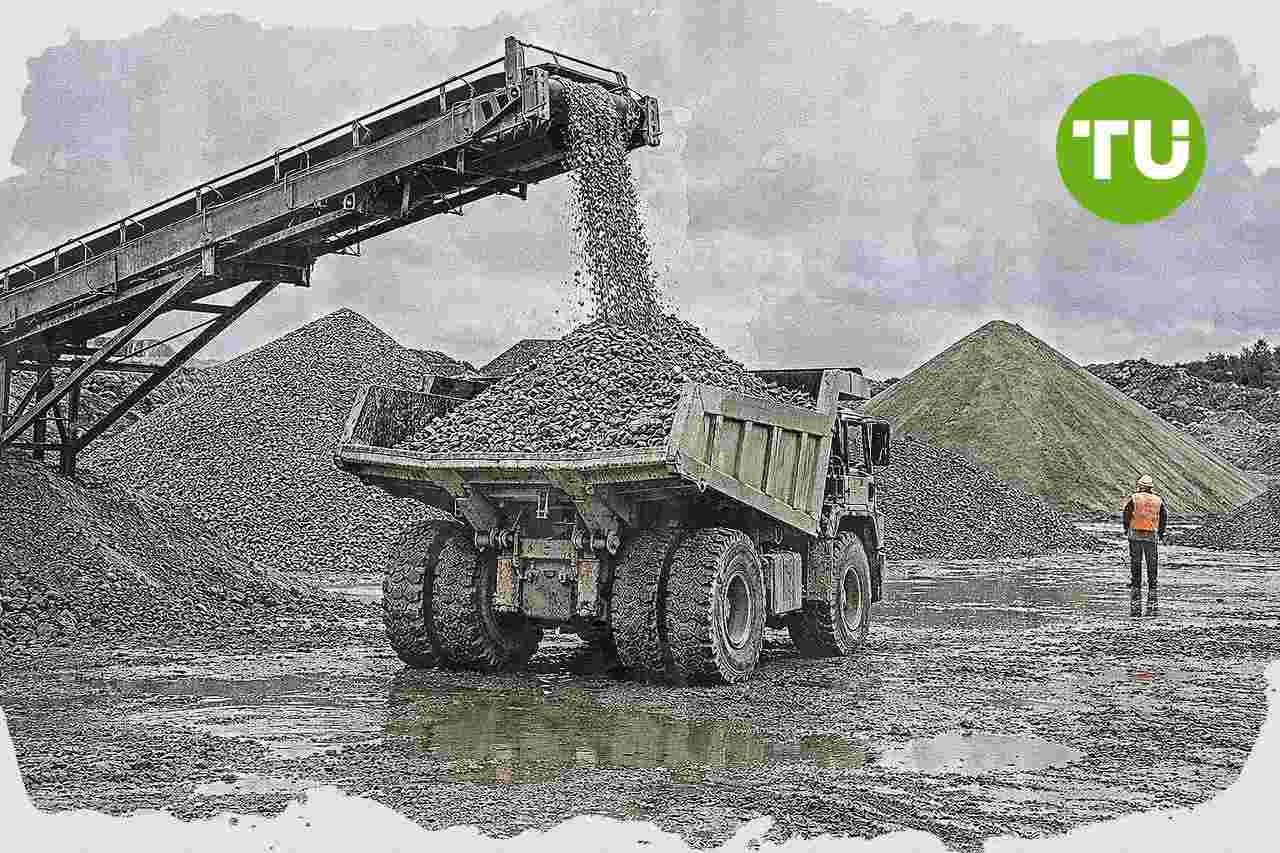
Demand from infrastructure, data centre and energy projects is supporting results for building materials suppliers even as input costs remain elevated. Vulcan Materials reports second-quarter earnings above Wall Street expectations and keeps its full-year adjusted EBITDA forecast unchanged.
Highlights
- Vulcan Materials' second-quarter revenue rose 3% to $2.16 billion, surpassing analyst expectations of $2.12 billion, with adjusted profit at $2.59 per share.
- Aggregates shipments increased 1% year-on-year, driven by strong public construction activity and large projects across most markets despite regional rainfall disruptions.
- Management maintains full-year adjusted EBITDA guidance and highlights an active acquisitions pipeline, while industry-wide cost pressures persist due to higher asphalt and energy prices.
Quarterly performance and demand trends
As reported by Reuters, Vulcan Materials says strong public construction activity and large projects across most of its markets help lift second-quarter aggregates shipments by 1% from a year earlier.The company says demand for crushed stone, sand and gravel supports earnings in the quarter ended June 30. Total revenue rises about 3% to $2.16 billion, ahead of analysts' average estimate of $2.12 billion, according to data compiled by LSEG. Adjusted profit reaches $2.59 per share, up from $2.45 a year ago.
Chief Executive Officer Ronnie Pruitt says the pipeline for strategic acquisitions remains active and that the company has the financial strength and flexibility to pursue the most value-accretive opportunities. Vulcan also reiterates its forecast for full-year adjusted earnings before interest, taxes, depreciation and amortization.
Weather pressures and sector outlook
Shipments in Texas and certain southeastern markets are affected by heavy rainfall during the May-June period, tempering gains in some areas. The non-aggregates segment is also pressured by higher asphalt costs and lower shipments tied to weather conditions.Even with those headwinds, the broader construction materials sector continues to benefit from investment in infrastructure, data centres and energy projects. At the same time, geopolitical tensions and higher energy prices are keeping pressure on input costs for producers across the industry.
Our earlier coverage of Los Angeles International Airport’s AA-rated senior revenue bonds explained how the financing supports critical infrastructure upgrades and ongoing expansion plans. We noted that strong operations, diversified revenue streams and heavy passenger traffic underpin a stable outlook, helping the airport manage financial risks while advancing major capital projects.





Latest Commodities News





-
 Afghanistan
-
 Albania
-
 Algeria
-
 Angola
-
 Argentina
-
 Armenia
-
 Australia
-
 Austria
-
 Azerbaijan
-
 Bahamas
-
 Bahrain
-
 Bangladesh
-
 Belarus
-
 Belgium
-
 Bolivia
-
 Botswana
-
 Brazil
-
 Brunei
-
 Bulgaria
-
 Cambodia
-
 Cameroon
-
 Canada
-
 Chile
-
 China
-
 Colombia
-
 Congo
-
 Costa Rica
-
 Cote d'Ivoire
-
 Croatia
-
 Cuba
-
 Cyprus
-
 Czechia
-
 DR Congo
-
 Denmark
-
 Dominican Republic
-
 Ecuador
-
 Egypt
-
 El Salvador
-
 Estonia
-
 Eswatini
-
 Ethiopia
-
 Finland
-
 France
-
 Georgia
-
 Germany
-
 Ghana
-
 Greece
-
 Haiti
-
 Hong Kong
-
 Hungary
-
 India
-
 Indonesia
-
 Iran, Islamic republic
-
 Iraq
-
 Ireland
-
 Israel
-
 Italy
-
 Jamaica
-
 Japan
-
 Jordan
-
 Kazakhstan
-
 Kenya
-
 Korea
-
 Kuwait
-
 Kyrgyzstan
-
 Laos
-
 Latvia
-
 Lebanon
-
 Lesotho
-
 Libya
-
 Lithuania
-
 Luxembourg
-
 Madagascar
-
 Malaysia
-
 Malta
-
 Mauritius
-
 Mexico
-
 Moldova
-
 Mongolia
-
 Montenegro
-
 Morocco
-
 Mozambique
-
 Myanmar
-
 Namibia
-
 Nepal
-
 Netherlands
-
 New Zealand
-
 Nigeria
-
 North Macedonia
-
 Norway
-
 Oman
-
 Pakistan
-
 Palestine
-
 Panama
-
 Papua New Guinea
-
 Paraguay
-
 Peru
-
 Philippines
-
 Poland
-
 Portugal
-
 Puerto Rico
-
 Qatar
-
 Reunion
-
 Romania
-
 Rwanda
-
 Saudi Arabia
-
 Serbia
-
 Singapore
-
 Slovakia
-
 Slovenia
-
 Somalia
-
 South Africa
-
 Spain
-
 Sri Lanka
-
 Sweden
-
 Switzerland
-
 Syria
-
 Taiwan
-
 Tajikistan
-
 Tanzania
-
 Thailand
-
 Trinidad and Tobago
-
 Tunisia
-
 Turkey
-
 UAE
-
 Uganda
-
 Ukraine
-
 United Kingdom
-
United States
-
 Uruguay
-
 Uzbekistan
-
 Venezuela
-
 Vietnam
-
 Yemen
-
 Zambia
-
 Zimbabwe
- Forex
- Crypto












