

Big Tech AI investment drive tops $1tn as cloud growth offsets cash flow strain
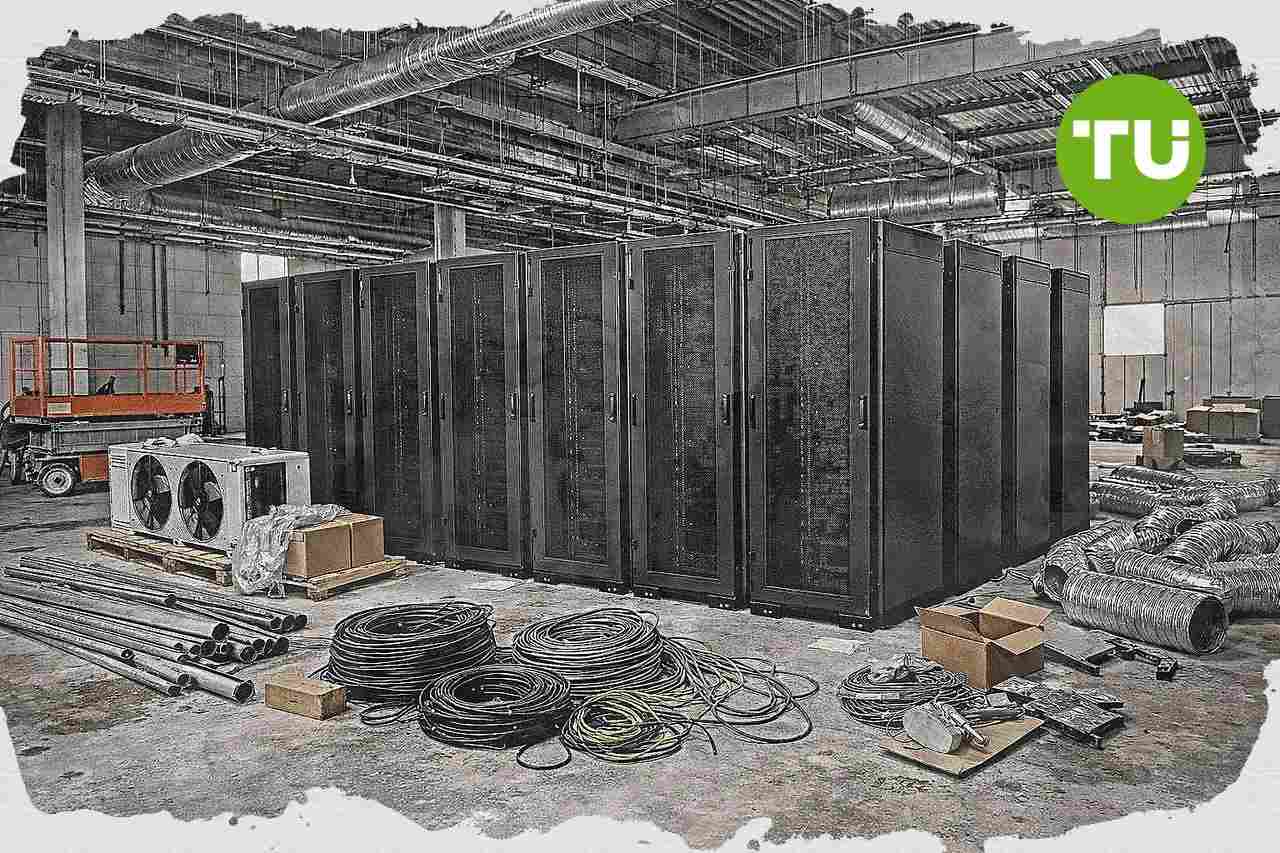
Since the AI boom began in 2023, Google, Amazon, Microsoft and Meta have committed more than $1tn in capital spending as they reshape themselves around data centres, chips and power infrastructure. The scale of that outlay is now starting to support faster cloud and advertising growth, even as free cash flow weakens and investors question how long returns will take.
Highlights
- Google, Amazon, Microsoft and Meta's combined capex hits $1.1tn from early 2023 to end of June, with $745bn planned for 2024 primarily in data centres and advanced chips.
- Google, Meta, and Microsoft take on nearly $900bn of new AI-related obligations in Q2, with Google's future AI commitments rising by $500bn and Meta signing $233bn in new commitments.
- Despite stronger cloud revenue growth, combined free cash flow for the four companies drops to a decade low of $7bn, with Google recording its first negative $6bn free cash flow quarter since IPO.
Capital spending surge deepens AI commitments
As reported by Financial Times, combined capital expenditure by Google, Amazon, Microsoft and Meta reaches $1.1tn from the start of 2023 through the end of June, based on earnings reports released over the past two weeks. The four companies now plan to spend a combined $745bn on capex this year, mainly on data centres, advanced chips and the electricity needed to run them.The spending wave highlights how rapidly the largest U.S. technology groups are moving from relatively asset-light models to heavy investment in physical infrastructure. Rishi Jaluria, an analyst at RBC Capital, says there is effectively no end in sight for capex growth, while investors still need the companies to balance AI investment with the businesses that already generate strong returns.
Those commitments are also expanding well beyond headline capex figures. Google reports that its future financial commitments tied to AI investments rise by about $500bn from three months earlier, largely through long-term technical infrastructure and energy purchase agreements. Meta signs $233bn of new commitments in the quarter, including $96bn in data centre and network leases, $112bn in purchase commitments and $25bn in new debt, then adds another $68bn in data centre leases in July. Microsoft, meanwhile, signs more than $130bn of new data centre leases in the second quarter, while Amazon has yet to provide equivalent detailed disclosures.
Together, Google, Meta and Microsoft take on close to $900bn of new AI-related obligations in the three-month period alone. The strategy also depends partly on major AI customers such as OpenAI and Anthropic continuing to raise funding to support large multiyear commitments for computing power as they pursue public listings.
Revenue gains emerge as investor pressure builds
Recent results show some of the spending is beginning to translate into faster revenue growth, especially in cloud computing. Google, Amazon and Microsoft all report stronger growth in their cloud divisions, benefiting from demand from AI groups including OpenAI and Anthropic as well as corporations adopting AI tools.Meta, which does not operate a cloud business, says AI is helping improve ad targeting, lifting quarterly revenue 28 per cent year on year to $61bn. Chief executive Mark Zuckerberg tells investors the company is receiving many offers to rent out its compute capacity at a meaningful premium to its cost, although he adds that selling intelligence carries significantly higher margins than directly selling compute.
Even so, investor concerns remain focused on execution and cash generation. Dec Mullarkey, managing director at SLC Management, says Meta's lack of a clear plan for leasing computing power is partly behind its 8 per cent share price drop on Thursday after earnings, while Apple falls 6.3 per cent after warning that higher costs, including memory chip shortages, would hurt sales and margins.
Free cash flow is under particular pressure as the build-out continues. The four groups' combined free cash flow falls to a decade low of $7bn in the period, with only Microsoft and Meta generating more cash than they spend. Google reports its first quarter of cash burn since going public more than two decades ago, posting negative $6bn of free cash flow, while Amazon chief Andy Jassy says the company will face headwinds for some time because it is building many data centres simultaneously and typically waits two years from commissioning a facility to installing revenue-generating servers.
The lag between upfront infrastructure spending and eventual revenue means investors may have to wait years for meaningful returns from the AI build-out. That is forcing the market to reassess not only the scale of Big Tech's investment cycle, but also the timeline for when those bets begin to deliver stronger shareholder payouts.
Amazon’s Q2 results highlighted a sharp acceleration in AWS growth, helping lift the stock as investors reacted to stronger cloud momentum. Our earlier coverage also noted that the upside came alongside a clear step-up in capex and mounting funding pressure, with Amazon ramping spending on AI and data center infrastructure even as free cash flow turned negative and bond markets signaled some sensitivity to the scale of the investment cycle.











-
 Afghanistan
-
 Albania
-
 Algeria
-
 Angola
-
 Argentina
-
 Armenia
-
 Australia
-
 Austria
-
 Azerbaijan
-
 Bahamas
-
 Bahrain
-
 Bangladesh
-
 Belarus
-
 Belgium
-
 Bolivia
-
 Botswana
-
 Brazil
-
 Brunei
-
 Bulgaria
-
 Cambodia
-
 Cameroon
-
 Canada
-
 Chile
-
 China
-
 Colombia
-
 Congo
-
 Costa Rica
-
 Cote d'Ivoire
-
 Croatia
-
 Cuba
-
 Cyprus
-
 Czechia
-
 DR Congo
-
 Denmark
-
 Dominican Republic
-
 Ecuador
-
 Egypt
-
 El Salvador
-
 Estonia
-
 Eswatini
-
 Ethiopia
-
 Finland
-
 France
-
 Georgia
-
 Germany
-
 Ghana
-
 Greece
-
 Haiti
-
 Hong Kong
-
 Hungary
-
 India
-
 Indonesia
-
 Iran, Islamic republic
-
 Iraq
-
 Ireland
-
 Israel
-
 Italy
-
 Jamaica
-
 Japan
-
 Jordan
-
 Kazakhstan
-
 Kenya
-
 Korea
-
 Kuwait
-
 Kyrgyzstan
-
 Laos
-
 Latvia
-
 Lebanon
-
 Lesotho
-
 Libya
-
 Lithuania
-
 Luxembourg
-
 Madagascar
-
 Malaysia
-
 Malta
-
 Mauritius
-
 Mexico
-
 Moldova
-
 Mongolia
-
 Montenegro
-
 Morocco
-
 Mozambique
-
 Myanmar
-
 Namibia
-
 Nepal
-
 Netherlands
-
 New Zealand
-
 Nigeria
-
 North Macedonia
-
 Norway
-
 Oman
-
 Pakistan
-
 Palestine
-
 Panama
-
 Papua New Guinea
-
 Paraguay
-
 Peru
-
 Philippines
-
 Poland
-
 Portugal
-
 Puerto Rico
-
 Qatar
-
 Reunion
-
 Romania
-
 Rwanda
-
 Saudi Arabia
-
 Serbia
-
 Singapore
-
 Slovakia
-
 Slovenia
-
 Somalia
-
 South Africa
-
 Spain
-
 Sri Lanka
-
 Sweden
-
 Switzerland
-
 Syria
-
 Taiwan
-
 Tajikistan
-
 Tanzania
-
 Thailand
-
 Trinidad and Tobago
-
 Tunisia
-
 Turkey
-
 UAE
-
 Uganda
-
 Ukraine
-
 United Kingdom
-
United States
-
 Uruguay
-
 Uzbekistan
-
 Venezuela
-
 Vietnam
-
 Yemen
-
 Zambia
-
 Zimbabwe
- Forex
- Crypto












