

AstraZeneca explores Bristol Myers Squibb merger as investors weigh growth and patent risks

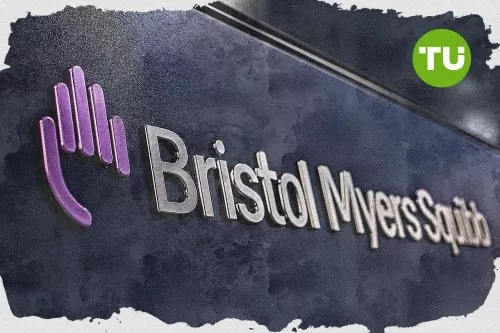
A potential combination between AstraZeneca and Bristol Myers Squibb is drawing scrutiny over whether scale in oncology and cardiovascular drugs can justify the strategic trade-offs. The proposed deal, which could create a pharmaceutical group worth nearly $400 billion, also raises questions about U.S. expansion, patent expiries and the impact on AstraZeneca’s growth profile.
Highlights
- AstraZeneca is in merger talks with Bristol Myers Squibb, which has a $133 billion market value versus AstraZeneca’s $264 billion.
- The proposed deal would expand AstraZeneca’s U.S. presence and cardiovascular portfolio but faces skepticism over patent cliffs and growth dilution, especially regarding Eliquis and Opdivo.
- AstraZeneca shares dropped nearly 7% in early London trading Monday on investor concerns that the deal could undermine its growth stock appeal.
Deal rationale and portfolio fit
As first reported by the Financial Times, AstraZeneca is in talks with Bristol Myers Squibb about a merger that could be agreed in the near term, although discussions may also be delayed or fail. AstraZeneca has a market value of about 196 billion pounds, or $264 billion, while Bristol Myers Squibb is valued at roughly $133 billion.The industrial logic is being debated across the market. Bristol Myers Squibb is strong in immuno-oncology, hematology and central nervous system medicines, while AstraZeneca already has a large cancer business but less scale in some of those segments, meaning a combined company would hold a broader oncology franchise and a deeper pipeline.
Some analysts question whether that argument is sufficient. Michael Leuchten at Jefferies says investors are likely to focus on the creation of a larger oncology business, but he argues that AstraZeneca has already been sourcing pipeline assets elsewhere, particularly in China, and that Bristol Myers Squibb’s cardiovascular portfolio appears only incrementally additive on first view.
U.S. ambitions and shareholder concerns
A U.S. footprint is central to the strategic debate. Most of Bristol Myers Squibb’s staff are based in the U.S., and the company also brings domestic manufacturing, political relationships and an established lobbying function, assets that could help AstraZeneca as it pushes toward its 2030 revenue target of $80 billion from $58.7 billion last year.The U.S. currently accounts for 42% of AstraZeneca sales, making further expansion important to its long-term plan. One bullish view, cited in the market debate, is that the combination is more about cardiovascular medicine than oncology, with revenue potential seen in pairing AstraZeneca’s Baxfendy with Bristol Myers Squibb’s Milvexian and combining Eliquis with older AstraZeneca products such as Brilinta and Crestor.
Investors are also focusing on dilution and patent risk. Leuchten notes that Bristol Myers Squibb trades on a lower earnings multiple than AstraZeneca partly because it faces multiple loss-of-exclusivity events on products including Eliquis and Opdivo, while some AstraZeneca shareholders worry that buying a lower-growth business with significant patent cliffs would weaken the appeal of owning a growth stock.
That concern is already visible in the market reaction, with AstraZeneca shares falling almost 7% in early London trading on Monday after news of the talks emerged. Markus Manns, a portfolio manager at Union Investment in Frankfurt, says the deal makes neither strategic nor financial sense and argues that a mega-merger would sit uneasily with AstraZeneca’s research-driven culture.
Our earlier report on AstraZeneca–Bristol Myers Squibb merger talks outlined how consolidation pressure in global pharmaceuticals is pushing AstraZeneca to explore a tie-up that could create a nearly $400bn combined drugmaker. We noted that the logic centers on expanding AstraZeneca’s U.S. footprint—reinforced by its elevated New York listing—and that the discussions could still progress, be delayed, or ultimately fall apart.










-
 Afghanistan
-
 Albania
-
 Algeria
-
 Angola
-
 Argentina
-
 Armenia
-
 Australia
-
 Austria
-
 Azerbaijan
-
 Bahamas
-
 Bahrain
-
 Bangladesh
-
 Belarus
-
 Belgium
-
 Bolivia
-
 Botswana
-
 Brazil
-
 Brunei
-
 Bulgaria
-
 Cambodia
-
 Cameroon
-
 Canada
-
 Chile
-
 China
-
 Colombia
-
 Congo
-
 Costa Rica
-
 Cote d'Ivoire
-
 Croatia
-
 Cuba
-
 Cyprus
-
 Czechia
-
 DR Congo
-
 Denmark
-
 Dominican Republic
-
 Ecuador
-
 Egypt
-
 El Salvador
-
 Estonia
-
 Eswatini
-
 Ethiopia
-
 Finland
-
 France
-
 Georgia
-
 Germany
-
 Ghana
-
 Greece
-
 Haiti
-
 Hong Kong
-
 Hungary
-
 India
-
 Indonesia
-
 Iran, Islamic republic
-
 Iraq
-
 Ireland
-
 Israel
-
 Italy
-
 Jamaica
-
 Japan
-
 Jordan
-
 Kazakhstan
-
 Kenya
-
 Korea
-
 Kuwait
-
 Kyrgyzstan
-
 Laos
-
 Latvia
-
 Lebanon
-
 Lesotho
-
 Libya
-
 Lithuania
-
 Luxembourg
-
 Madagascar
-
 Malaysia
-
 Malta
-
 Mauritius
-
 Mexico
-
 Moldova
-
 Mongolia
-
 Montenegro
-
 Morocco
-
 Mozambique
-
 Myanmar
-
 Namibia
-
 Nepal
-
 Netherlands
-
 New Zealand
-
 Nigeria
-
 North Macedonia
-
 Norway
-
 Oman
-
 Pakistan
-
 Palestine
-
 Panama
-
 Papua New Guinea
-
 Paraguay
-
 Peru
-
 Philippines
-
 Poland
-
 Portugal
-
 Puerto Rico
-
 Qatar
-
 Reunion
-
 Romania
-
 Rwanda
-
 Saudi Arabia
-
 Serbia
-
 Singapore
-
 Slovakia
-
 Slovenia
-
 Somalia
-
 South Africa
-
 Spain
-
 Sri Lanka
-
 Sweden
-
 Switzerland
-
 Syria
-
 Taiwan
-
 Tajikistan
-
 Tanzania
-
 Thailand
-
 Trinidad and Tobago
-
 Tunisia
-
 Turkey
-
 UAE
-
 Uganda
-
 Ukraine
-
 United Kingdom
-
United States
-
 Uruguay
-
 Uzbekistan
-
 Venezuela
-
 Vietnam
-
 Yemen
-
 Zambia
-
 Zimbabwe
- Forex
- Crypto












