

Apple prepares CEO handover to John Ternus as AI and China risks reshape strategy

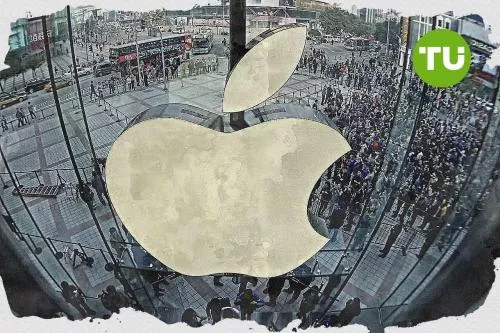
After 15 years leading Apple through a period of explosive growth, Tim Cook is handing the company to hardware chief John Ternus as the iPhone maker faces a more demanding phase in artificial intelligence. Cook becomes executive chairman on September 1, leaving Ternus to balance pressure to accelerate AI features with ongoing efforts to reduce Apple's manufacturing reliance on China.
Highlights
- Apple transitions CEO role from Tim Cook to John Ternus after Cook expanded valuation from $350 billion to over $4.5 trillion since 2011.
- Annual sales increased from $108 billion to $416 billion and profit quadrupled to $112 billion under Cook, with wearables generating $35 billion in fiscal 2025.
- Ternus faces pressure to integrate AI across devices amid delays and ramps up production in India and Vietnam to mitigate China-related supply chain risks by end of 2026.
Leadership transition after a long growth run
As reported by Reuters, the leadership change ends one of the most consequential chief executive tenures in corporate America, with Cook passing the top job to Ternus after expanding Apple from a $350 billion company into a business valued at more than $4.5 trillion.Cook did not seek to replicate Steve Jobs' product style, instead building Apple's strength around operations, supply chain management and broader commercial execution. That approach helped turn the iPhone maker's installed base of 2.5 billion users into a recurring revenue engine, with services growth outpacing hardware in recent years.
Apple's annual sales rose from $108 billion at the start of Cook's tenure to $416 billion in the last fiscal year, while profit increased more than fourfold to $112 billion. Its wearables segment, including products such as the Apple Watch and AirPods, generated $35 billion in fiscal 2025.
Investors and advisers also credit Cook with broadening Apple's leadership structure and building a values-driven culture. Bill Birmingham, managing director at REX Financial, said that approach gave Cook more room to focus on strategy and resource allocation while maintaining a lower public profile.
AI demands and supply chain pressure define next phase
Even with Apple's financial expansion, critics argue the company has lost some of its innovation edge under Cook and has yet to define what follows the iPhone as the central consumer device. The company also has notable setbacks in the period, including a car project it scrapped in 2024, the troubled 2012 Apple Maps launch and weaker-than-expected sales for the Vision Pro headset introduced in 2023.Ternus now takes charge as Apple is still catching up in AI, with delays in updating Siri and broader questions over how deeply artificial intelligence will be embedded across its products. Brian Mulberry, chief market strategist at Zacks Investment Management, said AI is the biggest challenge facing the incoming chief executive because Apple must show the technology becomes more than a standalone feature on the iPhone.
At the same time, Apple is continuing to shift manufacturing beyond China as Sino-U.S. tensions, tariffs and supply chain disruption expose the risks of concentrating production in one country. The company is making most U.S.-bound iPhones in India by the end of 2026 and is also assembling some devices, including AirPods and iPads, in Vietnam, steps that help it navigate trade pressures affecting businesses across the U.S.
Our earlier report on Apple’s CEO transition from Tim Cook to John Ternus outlined how Cook’s 15-year tenure reshaped the company into a larger devices-and-services franchise and delivered strong shareholder returns. It also previewed the next phase for Ternus, with investors focused on Apple’s AI roadmap, pricing decisions, and ongoing supply-chain pressures ahead of his first major product cycle as chief executive.










-
 Afghanistan
-
 Albania
-
 Algeria
-
 Angola
-
 Argentina
-
 Armenia
-
 Australia
-
 Austria
-
 Azerbaijan
-
 Bahamas
-
 Bahrain
-
 Bangladesh
-
 Belarus
-
 Belgium
-
 Bolivia
-
 Botswana
-
 Brazil
-
 Brunei
-
 Bulgaria
-
 Cambodia
-
 Cameroon
-
 Canada
-
 Chile
Chile
-
 China
China
-
 Colombia
-
 Congo
Congo
-
 Costa Rica
-
 Cote d'Ivoire
-
 Croatia
-
 Cuba
Cuba
-
 Cyprus
-
 Czechia
-
 DR Congo
-
 Denmark
-
 Dominican Republic
-
 Ecuador
-
 Egypt
Egypt
-
 El Salvador
-
 Estonia
-
 Eswatini
-
 Ethiopia
-
 Finland
-
 France
-
 Georgia
-
 Germany
-
 Ghana
Ghana
-
 Greece
-
 Haiti
Haiti
-
 Hong Kong
-
 Hungary
-
 India
India
-
 Indonesia
-
 Iran, Islamic republic
-
 Iraq
Iraq
-
 Ireland
-
 Israel
-
 Italy
Italy
-
 Jamaica
-
 Japan
Japan
-
 Jordan
-
 Kazakhstan
-
 Kenya
Kenya
-
 Korea
Korea
-
 Kuwait
-
 Kyrgyzstan
-
 Laos
Laos
-
 Latvia
-
 Lebanon
-
 Lesotho
-
 Libya
Libya
-
 Lithuania
-
 Luxembourg
-
 Madagascar
-
 Malaysia
-
 Malta
Malta
-
 Mauritius
-
 Mexico
-
 Moldova
-
 Mongolia
-
 Montenegro
-
 Morocco
-
 Mozambique
-
 Myanmar
-
 Namibia
-
 Nepal
Nepal
-
 Netherlands
-
 New Zealand
-
 Nigeria
-
 North Macedonia
-
 Norway
-
 Oman
Oman
-
 Pakistan
-
 Palestine
-
 Panama
-
 Papua New Guinea
-
 Paraguay
-
 Peru
Peru
-
 Philippines
-
 Poland
-
 Portugal
-
 Puerto Rico
-
 Qatar
Qatar
-
 Reunion
-
 Romania
-
 Rwanda
-
 Saudi Arabia
-
 Serbia
-
 Singapore
-
 Slovakia
-
 Slovenia
-
 Somalia
-
 South Africa
-
 Spain
Spain
-
 Sri Lanka
-
 Sweden
-
 Switzerland
-
 Syria
Syria
-
 Taiwan
-
 Tajikistan
-
 Tanzania
-
 Thailand
-
 Trinidad and Tobago
-
 Tunisia
-
 Turkey
-
 UAE
UAE
-
 Uganda
-
 Ukraine
-
 United Kingdom
-
United States
-
 Uruguay
-
 Uzbekistan
-
 Venezuela
-
 Vietnam
-
 Yemen
Yemen
-
 Zambia
-
 Zimbabwe
- Forex
- Crypto












