

U.S. Treasury sanctions BitBank over alleged Iran crypto sanctions evasion

The U.S. Treasury is expanding its sanctions campaign against Iran by targeting digital asset infrastructure tied to Babak Zanjani and entities accused of helping move funds for the regime. The action adds BitBank, its developer Pishtaz Simorgh Electronic Trade Company, and three associates of Zanjani to the sanctions list as Washington increases pressure on Iran’s crypto-linked financial channels.
Highlights
- OFAC sanctioned BitBank, Pishtaz Simorgh Electronic Trade Company, and three individuals for facilitating Iran-linked crypto sanctions evasion under Operation Economic Outcast.
- Treasury states BitBank transferred hundreds of millions of dollars in Bitcoin to the Islamic Revolutionary Guards Corps between June and July 2026, and handled payments for Hormuz Safe Marine Services Authority.
- Sanctions freeze U.S.-controlled assets and prohibit transactions with designated entities, extending enforcement risks to U.S. and non-U.S. financial institutions aiding prohibited dealings.
Treasury action targets Iran-linked crypto network
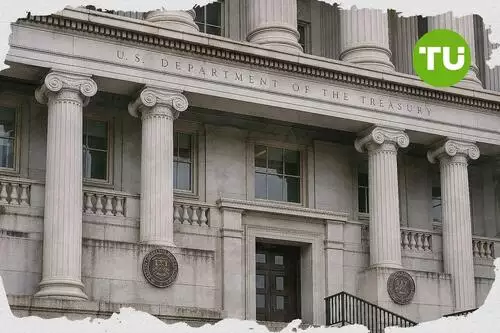
As reported by the U.S. Department of the Treasury, the Office of Foreign Assets Control, OFAC, designates BitBank as a priority digital assets venture controlled by Iranian financier Babak Zanjani under Operation Economic Outcast. The measure also includes BitBank developer Pishtaz Simorgh Electronic Trade Company and three associates, Hossein Ali Zaker Hossein, Mohammad Mahdi Zaker Hossein, and Seyed Adel Heidari.Treasury says the designated entities and individuals are part of an Iranian digital assets-based sanctions evasion infrastructure. Secretary of the Treasury Scott Bessent says the move is intended to show that efforts to finance the Iranian regime through cryptocurrencies remain within OFAC’s enforcement reach.
The department says Hormuz Safe Marine Services Authority, which OFAC has already designated, has used BitBank since June of this year to transfer payments it received to the Iranian regime. Treasury also says Zanjani used BitBank between June and July of this year to facilitate the transfer of hundreds of millions of dollars in Bitcoin to the Islamic Revolutionary Guards Corps.
Broader enforcement and market implications
Operation Economic Outcast, announced by Bessent on August 24, 2026 and described by Treasury as “Economic D-Day,” is part of a wider effort to cut off Iran’s remaining economic lifelines. Treasury says it is working with partners across the U.S. government, the European Union, the UK, Gulf partners, and others to target networks used to smuggle oil, evade sanctions, and generate illicit revenue.Treasury says BitBank is an Iranian digital assets exchange that Zanjani has promoted since at least 2024, while Pishtaz Simorgh developed the exchange’s software and is a subsidiary of OFAC-designated Dot One Value Creation Group. The department also identifies the three sanctioned associates as executives or representatives linked to Dot One and Zanjani’s wider digital asset network.
Under the sanctions, property and interests in property of the designated persons that are in the U.S. or under the control of U.S. persons are blocked and must be reported to OFAC. Treasury says U.S. persons are generally barred from transactions involving those blocked parties, while financial institutions and non-U.S. actors also face potential exposure if they facilitate prohibited dealings or help evade U.S. sanctions.
Our earlier coverage of the Lindsey O. Graham Sanctioning Russia and Iran Act of 2026 explained how U.S. lawmakers advanced a sweeping sanctions package aimed at increasing economic pressure on Moscow and Tehran. We noted that the measure would expand tools to target sanctions-evasion channels such as Russia’s shadow fleet and the broader networks that help keep restricted revenue flows moving.






Latest OFAC News




-
 Afghanistan
-
 Albania
-
 Algeria
-
 Angola
-
 Argentina
-
 Armenia
-
 Australia
-
 Austria
-
 Azerbaijan
-
 Bahamas
-
 Bahrain
-
 Bangladesh
-
 Belarus
-
 Belgium
-
 Bolivia
-
 Botswana
-
 Brazil
-
 Brunei
-
 Bulgaria
-
 Cambodia
-
 Cameroon
-
 Canada
-
 Chile
-
 China
-
 Colombia
-
 Congo
-
 Costa Rica
-
 Cote d'Ivoire
-
 Croatia
-
 Cuba
-
 Cyprus
-
 Czechia
-
 DR Congo
-
 Denmark
-
 Dominican Republic
-
 Ecuador
-
 Egypt
-
 El Salvador
-
 Estonia
-
 Eswatini
-
 Ethiopia
-
 Finland
-
 France
-
 Georgia
-
 Germany
-
 Ghana
-
 Greece
-
 Haiti
-
 Hong Kong
-
 Hungary
-
 India
-
 Indonesia
-
 Iran, Islamic republic
-
 Iraq
-
 Ireland
-
 Israel
-
 Italy
-
 Jamaica
-
 Japan
-
 Jordan
-
 Kazakhstan
-
 Kenya
-
 Korea
-
 Kuwait
-
 Kyrgyzstan
-
 Laos
-
 Latvia
-
 Lebanon
-
 Lesotho
-
 Libya
-
 Lithuania
-
 Luxembourg
-
 Madagascar
-
 Malaysia
-
 Malta
-
 Mauritius
-
 Mexico
-
 Moldova
-
 Mongolia
-
 Montenegro
-
 Morocco
-
 Mozambique
-
 Myanmar
-
 Namibia
-
 Nepal
-
 Netherlands
-
 New Zealand
-
 Nigeria
-
 North Macedonia
-
 Norway
-
 Oman
-
 Pakistan
-
 Palestine
-
 Panama
-
 Papua New Guinea
-
 Paraguay
-
 Peru
-
 Philippines
-
 Poland
-
 Portugal
-
 Puerto Rico
-
 Qatar
-
 Reunion
-
 Romania
-
 Rwanda
-
 Saudi Arabia
-
 Serbia
-
 Singapore
-
 Slovakia
-
 Slovenia
-
 Somalia
-
 South Africa
-
 Spain
-
 Sri Lanka
-
 Sweden
-
 Switzerland
-
 Syria
-
 Taiwan
-
 Tajikistan
-
 Tanzania
-
 Thailand
-
 Trinidad and Tobago
-
 Tunisia
-
 Turkey
-
 UAE
-
 Uganda
-
 Ukraine
-
 United Kingdom
-
United States
-
 Uruguay
-
 Uzbekistan
-
 Venezuela
-
 Vietnam
-
 Yemen
-
 Zambia
-
 Zimbabwe
- Forex
- Crypto












