

Fuel refining stocks gain from widening gasoline-crude spread

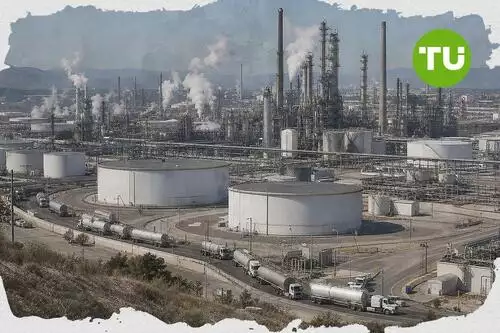
Surging fuel costs are outpacing the rise in crude prices as refinery disruptions tighten supplies of gasoline and diesel. The gap is drawing investor attention to listed refiners and exchange-traded funds tied to refining margins, while higher pump prices continue to pressure households and freight-dependent industries.
Highlights
- Regular gasoline averages $4.47 a gallon nationwide, 42% higher than last September, with California near $6.20, driven by refined products outpacing crude price gains.
- Crude oil has risen 50% since Strait of Hormuz disruptions, while refined products are up about 120%, widening the 3-2-1 crack spread and boosting refinery margins.
- Drone strikes have taken at least 9.5% of global refining capacity offline, supporting sustained high crack spreads and strengthening listed refiners like the Van Eck Oil Refiners ETF, CRAK.
Refinery disruptions widen fuel-price premium
As reported by Weiss Ratings, regular gasoline across the country averages $4.47 a gallon, 42% above the level of last September, with California near $6.20 and Washington and Hawaii also among the highest-cost states. The commentary says the current price shock differs from earlier oil crises because refined products are rising much faster than crude itself.It says crude has climbed 50% since the conflict around the Strait of Hormuz disrupted tanker traffic, while the refined products from a barrel of oil are up about 120%. The piece frames that move through the 3-2-1 crack spread, a key industry measure of refining margins based on converting crude into gasoline and distillates such as diesel, heating oil and jet fuel.
Weiss Ratings argues that three factors are driving the divergence. It says refineries have only recently become direct targets, that refining assets are more vulnerable to attack than oil fields, and that low-cost drones are making such facilities easier to damage. The commentary adds that drone strikes in Russia and the Middle East have taken at least 9.5% of global refining capacity offline.
Higher diesel costs ripple through the wider economy
Diesel demand gives the refining squeeze broader economic significance because freight trucking consumes much of the fuel, while agriculture, construction, factories, mining, marine transport and rail freight also depend on it. That means rising diesel prices feed into logistics, industrial activity and consumer costs beyond the gasoline pump.The commentary presents listed refiners as potential beneficiaries if strong crack spreads persist. It points to the Van Eck Oil Refiners ETF, CRAK, as one way to gain diversified exposure to the sector, arguing that damage to refining infrastructure in the Middle East and Russia could continue to support refinery earnings and investor returns.
In our earlier article on record diesel prices in the U.S. and Europe, we explained how wars in Iran and Ukraine were tightening distillate supply and intensifying market volatility. We also highlighted U.S. Energy Secretary Chris Wright’s warning that a diesel export ban could backfire by forcing refiners to cut output, which would add upward pressure to gasoline and jet fuel prices at home.





Latest Phillips 66 News





-
 Afghanistan
-
 Albania
-
 Algeria
-
 Angola
-
 Argentina
-
 Armenia
-
 Australia
-
 Austria
-
 Azerbaijan
-
 Bahamas
-
 Bahrain
-
 Bangladesh
-
 Belarus
-
 Belgium
-
 Bolivia
-
 Botswana
-
 Brazil
-
 Brunei
-
 Bulgaria
-
 Cambodia
-
 Cameroon
-
 Canada
-
 Chile
Chile
-
 China
China
-
 Colombia
-
 Congo
Congo
-
 Costa Rica
-
 Cote d'Ivoire
-
 Croatia
-
 Cuba
Cuba
-
 Cyprus
-
 Czechia
-
 DR Congo
-
 Denmark
-
 Dominican Republic
-
 Ecuador
-
 Egypt
Egypt
-
 El Salvador
-
 Estonia
-
 Eswatini
-
 Ethiopia
-
 Finland
-
 France
-
 Georgia
-
 Germany
-
 Ghana
Ghana
-
 Greece
-
 Haiti
Haiti
-
 Hong Kong
-
 Hungary
-
 India
India
-
 Indonesia
-
 Iran, Islamic republic
-
 Iraq
Iraq
-
 Ireland
-
 Israel
-
 Italy
Italy
-
 Jamaica
-
 Japan
Japan
-
 Jordan
-
 Kazakhstan
-
 Kenya
Kenya
-
 Korea
Korea
-
 Kuwait
-
 Kyrgyzstan
-
 Laos
Laos
-
 Latvia
-
 Lebanon
-
 Lesotho
-
 Libya
Libya
-
 Lithuania
-
 Luxembourg
-
 Madagascar
-
 Malaysia
-
 Malta
Malta
-
 Mauritius
-
 Mexico
-
 Moldova
-
 Mongolia
-
 Montenegro
-
 Morocco
-
 Mozambique
-
 Myanmar
-
 Namibia
-
 Nepal
Nepal
-
 Netherlands
-
 New Zealand
-
 Nigeria
-
 North Macedonia
-
 Norway
-
 Oman
Oman
-
 Pakistan
-
 Palestine
-
 Panama
-
 Papua New Guinea
-
 Paraguay
-
 Peru
Peru
-
 Philippines
-
 Poland
-
 Portugal
-
 Puerto Rico
-
 Qatar
Qatar
-
 Reunion
-
 Romania
-
 Rwanda
-
 Saudi Arabia
-
 Serbia
-
 Singapore
-
 Slovakia
-
 Slovenia
-
 Somalia
-
 South Africa
-
 Spain
Spain
-
 Sri Lanka
-
 Sweden
-
 Switzerland
-
 Syria
Syria
-
 Taiwan
-
 Tajikistan
-
 Tanzania
-
 Thailand
-
 Trinidad and Tobago
-
 Tunisia
-
 Turkey
-
 UAE
UAE
-
 Uganda
-
 Ukraine
-
 United Kingdom
-
United States
-
 Uruguay
-
 Uzbekistan
-
 Venezuela
-
 Vietnam
-
 Yemen
Yemen
-
 Zambia
-
 Zimbabwe
- Forex
- Crypto












