

Oracle force majeure notice rattles AI data center financing market

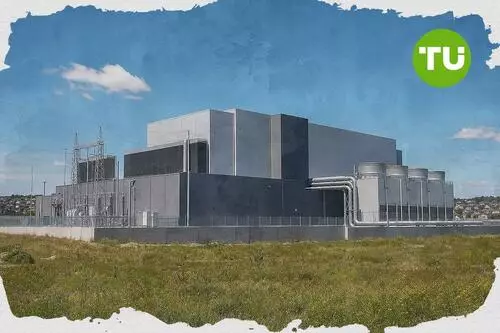
Growing scrutiny over the risks behind large-scale AI infrastructure is intensifying as lenders reassess how delays and contract protections can affect returns. Oracle's force majeure notice tied to Blue Owl's Jupiter data center project in New Mexico is now influencing financing discussions across other proposed U.S. developments.
Highlights
- Oracle issues force majeure notice for Jupiter data center project, delaying completion by a year due to power supply issues and impacting financing talks for similar AI infrastructure projects.
- Blue Owl has invested about $3 billion in equity in the delayed Jupiter project, facing deferred returns as contractual risk allocation and force majeure clauses become more prominent in the sector.
- Moody's projects AI capital spending by the six largest U.S. tech firms will reach about $1 trillion in 2027, while Oracle and Blue Owl shares drop 3.5% and 3.6% respectively after the force majeure notice.
Project delays reshape financing terms
As reported by Reuters, Oracle has issued a force majeure notice in connection with Jupiter, a data center campus being built by Blue Owl unit STACK Infrastructure to support OpenAI, adding a new test case for lenders and investors backing AI infrastructure projects.Blue Owl says the notice does not change the parties' commitment to the multiyear project. Still, people involved in the market say the development is rippling through talks on other data center financings, including SB Energy's Ohio campus for OpenAI, while SB Energy decides this week to delay its IPO.
The project is being delayed by a year, according to a person familiar with Oracle's notice and the deal. Oracle invokes force majeure because of delays in securing power to the site, the person says, while Blue Owl has about $3 billion of equity invested and faces a longer wait for higher returns that begin after completion.
Lawyers and advisers say force majeure clauses are becoming more common in data center agreements as developers race to build capacity at unprecedented scale. Rajat Rana, a partner at Quinn Emanuel, says contracts in the sector are changing rapidly, while Sean McDevitt of Arthur D. Little says financiers are asking harder questions about how risk is allocated even though underlying demand remains strong.
Higher rates and local opposition add pressure
Wall Street is also taking a harder look at the economics and political risks of AI infrastructure as U.S. interest rates remain near levels last seen two decades ago. Market participants say even the involvement of highly rated companies such as Oracle is no longer enough on its own to calm investor concerns.Moody's projects AI-related capital spending by the six biggest U.S. technology companies will reach about $1 trillion in 2027, increasing concerns about whether debt and equity markets can absorb such a large volume of issuance without tighter terms or pricing pressure. Bankers and investors are using the Oracle situation to assess how contractual protections may work in practice when projects face delays outside the parties' control.
Community opposition is adding another layer of uncertainty. Research firm Data Center Watch says 45 projects worth $68 billion face opposition from community groups in the second quarter of 2026, after 75 projects worth about $130 billion are disrupted in the first quarter, while developments linked to Meta, Related Digital and Blackstone's QTS also encounter resistance or cancellation.
Shares reflect the unease in the market. Oracle stock falls 3.5% on Thursday after media reports of the notice, while Blue Owl closes 3.6% lower.
In our earlier coverage of Oracle’s force majeure notice tied to Project Jupiter, we explained how the clause could be used to limit contractual and financial exposure if the AI data center’s timeline slips. We also noted that rising capex and tighter financing conditions were increasing investor focus on execution risk, with delays potentially affecting future capacity delivery and revenue recognition.






Latest Blackstone Group News



-
 Afghanistan
-
 Albania
-
 Algeria
-
 Angola
-
 Argentina
-
 Armenia
-
 Australia
-
 Austria
-
 Azerbaijan
-
 Bahamas
-
 Bahrain
-
 Bangladesh
-
 Belarus
-
 Belgium
-
 Bolivia
-
 Botswana
-
 Brazil
-
 Brunei
-
 Bulgaria
-
 Cambodia
-
 Cameroon
-
 Canada
-
 Chile
-
 China
-
 Colombia
-
 Congo
-
 Costa Rica
-
 Cote d'Ivoire
-
 Croatia
-
 Cuba
-
 Cyprus
-
 Czechia
-
 DR Congo
-
 Denmark
-
 Dominican Republic
-
 Ecuador
-
 Egypt
-
 El Salvador
-
 Estonia
-
 Eswatini
-
 Ethiopia
-
 Finland
-
 France
-
 Georgia
-
 Germany
-
 Ghana
-
 Greece
-
 Haiti
-
 Hong Kong
-
 Hungary
-
 India
-
 Indonesia
-
 Iran, Islamic republic
-
 Iraq
-
 Ireland
-
 Israel
-
 Italy
-
 Jamaica
-
 Japan
-
 Jordan
-
 Kazakhstan
-
 Kenya
-
 Korea
-
 Kuwait
-
 Kyrgyzstan
-
 Laos
-
 Latvia
-
 Lebanon
-
 Lesotho
-
 Libya
-
 Lithuania
-
 Luxembourg
-
 Madagascar
-
 Malaysia
-
 Malta
-
 Mauritius
-
 Mexico
-
 Moldova
-
 Mongolia
-
 Montenegro
-
 Morocco
-
 Mozambique
-
 Myanmar
-
 Namibia
-
 Nepal
-
 Netherlands
-
 New Zealand
-
 Nigeria
-
 North Macedonia
-
 Norway
-
 Oman
-
 Pakistan
-
 Palestine
-
 Panama
-
 Papua New Guinea
-
 Paraguay
-
 Peru
-
 Philippines
-
 Poland
-
 Portugal
-
 Puerto Rico
-
 Qatar
-
 Reunion
-
 Romania
-
 Rwanda
-
 Saudi Arabia
-
 Serbia
-
 Singapore
-
 Slovakia
-
 Slovenia
-
 Somalia
-
 South Africa
-
 Spain
-
 Sri Lanka
-
 Sweden
-
 Switzerland
-
 Syria
-
 Taiwan
-
 Tajikistan
-
 Tanzania
-
 Thailand
-
 Trinidad and Tobago
-
 Tunisia
-
 Turkey
-
 UAE
-
 Uganda
-
 Ukraine
-
 United Kingdom
-
United States
-
 Uruguay
-
 Uzbekistan
-
 Venezuela
-
 Vietnam
-
 Yemen
-
 Zambia
-
 Zimbabwe
- Forex
- Crypto












