

Iran pharmaceutical supplies tighten under U.S. sanctions pressure

Iran is facing a deepening medicines shortage as restrictions on shipping, air links and payments disrupt access to imported drugs and pharmaceutical ingredients. The pressure is spreading beyond specialist treatments to basic medicines, while inflation and subsidy cuts are driving sharp price increases for patients.
Highlights
- U.S. sanctions and a naval blockade have disrupted Iran's pharmaceutical import channels, causing shortages of about 60 critical medicines including thalassaemia treatments.
- Year-on-year inflation in Iran stands at 90 percent, with medicine prices rising by 150 to 500 percent following the end of government currency subsidies in March and a fivefold raw-material cost increase.
- International banks' reluctance to process transactions and uneven orders from Iran have led to scarce availability of vital drugs, while officials imported 700,000 influenza vaccine doses from China to build winter stockpiles.
Supply routes and imports come under strain
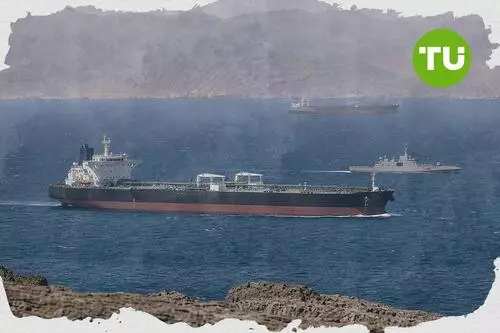
As reported by Financial Times, Iranian pharmacists and health officials say the country’s ability to secure medicines has deteriorated as U.S. sanctions and a naval blockade disrupt its main import channels.Iran produces most of its medicines domestically, but it still depends on imported ingredients from countries including India, as well as finished medicines and vaccines from Europe and other markets. Officials say the U.S. blockade of southern ports, a key corridor for pharmaceutical imports, and the cancellation of more international flights are limiting both shipments and payment flows.
Hadi Ahmadi, spokesperson for the Iranian Pharmacists Association, says about 60 medicines used for life-threatening diseases, including treatments for thalassaemia, are in short supply. Health minister Mohammad Reza Zafarghandi also says that, although medicines are officially exempt from sanctions, restrictions on foreign-currency transfers and shipments are impeding supply.
Several pharmaceutical factories were also hit directly or indirectly during the U.S.-Israeli bombing campaign, according to officials. Tehran is now drawing on strategic medicine reserves and seeking alternative overland import routes, while President Masoud Pezeshkian’s visit to India for the Brics summit this month was used to bring several tonnes of pharmaceutical ingredients back on his private plane, according to deputy minister Anoushiravan Mohseni-Bandpei.
Costs rise as shortages hit patients and drugmakers
A pharmacist in Tehran says shortages previously centered on biological medicines and hard-to-treat conditions, but now extend to basic painkillers and common psychiatric drugs. A retired nurse waiting at a Tehran pharmacy says she has to visit several outlets on different days to find her husband’s chemotherapy medicine, and at one point had to buy it on the open market at three times the regular price.International banks are becoming increasingly wary of handling transactions involving Iranian institutions, even when those transactions are exempt from sanctions, according to the UK-based Bourse and Bazaar Foundation. The think-tank says tighter sanctions risk significant harm to ordinary Iranians by reducing the availability and affordability of critical medical goods.
The pricing pressure is intensifying. Year-on-year inflation is currently at 90 per cent, and the government stopped providing cheap foreign currency to subsidise most medicines in March. Ahmadi says raw-material costs increased fivefold, while transport and logistics expenses have pushed medicine prices up by between 150 and 500 per cent.
Some foreign drugmakers say supplies continue, but orders are uneven. One leading European manufacturer says it has not restricted supplies to Iran because of sanctions, although it has not received orders for some drugs from Iranian authorities since last June. Novartis says it maintains supply to patients in Iran, but Younes Arab, head of the Iranian Thalassaemia Society, says imported medicines including Novartis’s Jadenu are no longer available and the situation for thalassaemia patients is already beyond crisis point.
Officials are also trying to build seasonal stockpiles. Mehdi Pirsalehi, head of Iran’s Food and Drug Administration, says 700,000 doses of influenza vaccine have been imported from China this week, with more shipments expected from Russia and Europe ahead of winter.
In our earlier article on the proposed U.S. restrictions on Chinese-made optical transceivers, we explained how lawmakers are seeking to limit the use of key AI data-center hardware in sensitive federal systems. We also noted industry warnings that cutting off major suppliers could create bottlenecks and slow deployments, highlighting how strategic components can become vulnerable to policy-driven supply shocks.






Latest Sanctions News



-
 Afghanistan
-
 Albania
-
 Algeria
-
 Angola
-
 Argentina
-
 Armenia
-
 Australia
-
 Austria
-
 Azerbaijan
-
 Bahamas
-
 Bahrain
-
 Bangladesh
-
 Belarus
-
 Belgium
-
 Bolivia
-
 Botswana
-
 Brazil
-
 Brunei
-
 Bulgaria
-
 Cambodia
-
 Cameroon
-
 Canada
-
 Chile
-
 China
-
 Colombia
-
 Congo
-
 Costa Rica
-
 Cote d'Ivoire
-
 Croatia
-
 Cuba
-
 Cyprus
-
 Czechia
-
 DR Congo
-
 Denmark
-
 Dominican Republic
-
 Ecuador
-
 Egypt
-
 El Salvador
-
 Estonia
-
 Eswatini
-
 Ethiopia
-
 Finland
-
 France
-
 Georgia
-
 Germany
-
 Ghana
-
 Greece
-
 Haiti
-
 Hong Kong
-
 Hungary
-
 India
-
 Indonesia
-
 Iran, Islamic republic
-
 Iraq
-
 Ireland
-
 Israel
-
 Italy
-
 Jamaica
-
 Japan
-
 Jordan
-
 Kazakhstan
-
 Kenya
-
 Korea
-
 Kuwait
-
 Kyrgyzstan
-
 Laos
-
 Latvia
-
 Lebanon
-
 Lesotho
-
 Libya
-
 Lithuania
-
 Luxembourg
-
 Madagascar
-
 Malaysia
-
 Malta
-
 Mauritius
-
 Mexico
-
 Moldova
-
 Mongolia
-
 Montenegro
-
 Morocco
-
 Mozambique
-
 Myanmar
-
 Namibia
-
 Nepal
-
 Netherlands
-
 New Zealand
-
 Nigeria
-
 North Macedonia
-
 Norway
-
 Oman
-
 Pakistan
-
 Palestine
-
 Panama
-
 Papua New Guinea
-
 Paraguay
-
 Peru
-
 Philippines
-
 Poland
-
 Portugal
-
 Puerto Rico
-
 Qatar
-
 Reunion
-
 Romania
-
 Rwanda
-
 Saudi Arabia
-
 Serbia
-
 Singapore
-
 Slovakia
-
 Slovenia
-
 Somalia
-
 South Africa
-
 Spain
-
 Sri Lanka
-
 Sweden
-
 Switzerland
-
 Syria
-
 Taiwan
-
 Tajikistan
-
 Tanzania
-
 Thailand
-
 Trinidad and Tobago
-
 Tunisia
-
 Turkey
-
 UAE
-
 Uganda
-
 Ukraine
-
 United Kingdom
-
United States
-
 Uruguay
-
 Uzbekistan
-
 Venezuela
-
 Vietnam
-
 Yemen
-
 Zambia
-
 Zimbabwe
- Forex
- Crypto












