

Gulf states urge Washington to avoid new confrontation with Iran

Gulf Arab governments are warning that another US-Israeli offensive against Iran could trigger a broader and more destructive regional war. With Washington considering further military action and Tehran threatening an expanded response, regional leaders are intensifying diplomatic efforts to prevent renewed fighting.
Highlights
- Gulf states fear broader Iranian retaliation.
- Trump weighs diplomacy and renewed strikes.
- Brent fell 2.75%, WTI declined 2.12%.
Bloomberg reported that Gulf officials believe Iran is better prepared for another confrontation and could retaliate against a wider range of targets. The concerns dominated the IISS Manama Dialogue in Bahrain, where representatives from the United Arab Emirates and Egypt warned that another escalation would deepen the economic damage already inflicted across the region.
Gulf governments seek to prevent another escalation
UAE presidential adviser Anwar Gargash called for a diplomatic solution, reflecting growing concern among Gulf governments about the consequences of a conflict they did not initiate. Egyptian Foreign Minister Badr Abdelatty also warned that renewed hostilities could be more destructive than the fighting that began with US-Israeli strikes on February 28.
Iran has reinforced those fears by signaling a broader military response. Supreme Leader Mojtaba Khamenei instructed commanders to prepare immediate counterstrikes and expand their list of potential American and Israeli targets. Iranian military officials have also warned that another offensive would not necessarily remain confined to areas previously affected by the war.
Tehran retains significant missile and drone capabilities despite months of attacks on its military infrastructure. By early October, Iran had launched more than 4,000 Shahed drones and at least 2,000 ballistic missiles since the conflict began. Western assessments indicate that Iranian forces have preserved production capacity sufficient to replenish parts of their arsenal.
The consequences for neighboring economies have already been substantial. Iranian attacks have damaged energy facilities, airports, and power infrastructure across the Gulf. The International Monetary Fund forecasts a 3.3% contraction in Saudi Arabia's economy this year, with even steeper declines expected in Qatar and Kuwait.
Washington and Tehran remain divided over a settlement
President Donald Trump has left open the possibility of renewed strikes after the November 3 US midterm elections, although Secretary of State Marco Rubio has emphasized Washington's preference for a diplomatic settlement. Reports that Trump wants to allow additional time for negotiations have temporarily reduced expectations of an immediate military confrontation.
Regional mediation has intensified. Officials from Saudi Arabia, Turkey, and Pakistan visited Tehran last week, while Qatari representatives held discussions with Iranian officials. Nevertheless, substantial disagreements remain. Iran wants sanctions relief, access to frozen assets, and the removal of the US naval blockade before reopening the Strait of Hormuz. Washington continues to demand nuclear concessions.
The diplomatic uncertainty is complicating regional economic planning. Gulf governments face the possibility of further infrastructure damage while attempting to restore trade, aviation, and energy exports disrupted by the conflict.
Energy security and the risk of prolonged disruption
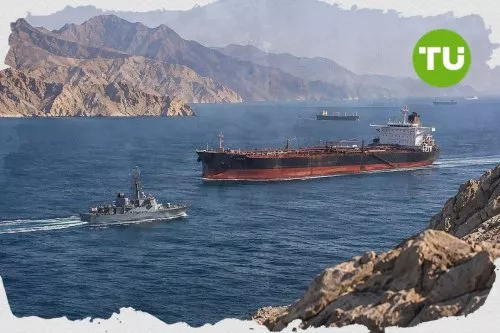
The Strait of Hormuz remains central to the economic consequences of any renewed fighting. Additional attacks on tankers or export infrastructure could interrupt shipments even as Gulf producers work to restore normal operations.
Against that backdrop, seven OPEC+ producers agreed Sunday to maintain their December production targets. Several Gulf members remain below their permitted output levels because of war-related export constraints. The group faces a more consequential decision on November 29, when members are expected to discuss their 2027 production framework.
The challenge extends beyond the immediate conflict. A prolonged disruption could restrict global supplies, while a diplomatic settlement and the restoration of Gulf exports could create excess production capacity next year. Both outcomes would have significant consequences for energy markets and the economies dependent on them.
Oil market reaction
Oil benchmarks fell sharply on Monday as reports that President Donald Trump favored giving negotiations with Iran more time eased immediate fears of renewed US military strikes. The decline followed a strong rally late last week, when traders had priced in a greater risk of disruption to shipments through the Strait of Hormuz.
According to the latest market snapshots provided, Brent crude traded at $110.29 per barrel, down 2.75%, while WTI stood at $100.76 per barrel, down 2.12%. Both benchmarks remained sensitive to developments in Washington and Tehran, with diplomatic progress offering the prospect of more stable Gulf exports.
The decision by OPEC+ to keep December production targets unchanged added little immediate pressure to the market, as several Gulf producers remain constrained by wartime disruptions. Traders are now weighing two competing scenarios: a diplomatic agreement that restores shipments through Hormuz or renewed military action that could threaten regional energy infrastructure and push prices higher again.
We also reported Qatar seeks to restart U.S.-Iran talks.






Latest Iran war News



-
 Afghanistan
-
 Albania
-
 Algeria
-
 Angola
-
 Argentina
-
 Armenia
-
 Australia
-
 Austria
-
 Azerbaijan
-
 Bahamas
-
 Bahrain
-
 Bangladesh
-
 Belarus
-
 Belgium
-
 Bolivia
-
 Botswana
-
 Brazil
-
 Brunei
-
 Bulgaria
-
 Cambodia
-
 Cameroon
-
 Canada
-
 Chile
-
 China
-
 Colombia
-
 Congo
-
 Costa Rica
-
 Cote d'Ivoire
-
 Croatia
-
 Cuba
-
 Cyprus
-
 Czechia
-
 DR Congo
-
 Denmark
-
 Dominican Republic
-
 Ecuador
-
 Egypt
-
 El Salvador
-
 Estonia
-
 Eswatini
-
 Ethiopia
-
 Finland
-
 France
-
 Georgia
-
 Germany
-
 Ghana
-
 Greece
-
 Haiti
-
 Hong Kong
-
 Hungary
-
 India
-
 Indonesia
-
 Iran, Islamic republic
-
 Iraq
-
 Ireland
-
 Israel
-
 Italy
-
 Jamaica
-
 Japan
-
 Jordan
-
 Kazakhstan
-
 Kenya
-
 Korea
-
 Kuwait
-
 Kyrgyzstan
-
 Laos
-
 Latvia
-
 Lebanon
-
 Lesotho
-
 Libya
-
 Lithuania
-
 Luxembourg
-
 Madagascar
-
 Malaysia
-
 Malta
-
 Mauritius
-
 Mexico
-
 Moldova
-
 Mongolia
-
 Montenegro
-
 Morocco
-
 Mozambique
-
 Myanmar
-
 Namibia
-
 Nepal
-
 Netherlands
-
 New Zealand
-
 Nigeria
-
 North Macedonia
-
 Norway
-
 Oman
-
 Pakistan
-
 Palestine
-
 Panama
-
 Papua New Guinea
-
 Paraguay
-
 Peru
-
 Philippines
-
 Poland
-
 Portugal
-
 Puerto Rico
-
 Qatar
-
 Reunion
-
 Romania
-
 Rwanda
-
 Saudi Arabia
-
 Serbia
-
 Singapore
-
 Slovakia
-
 Slovenia
-
 Somalia
-
 South Africa
-
 Spain
-
 Sri Lanka
-
 Sweden
-
 Switzerland
-
 Syria
-
 Taiwan
-
 Tajikistan
-
 Tanzania
-
 Thailand
-
 Trinidad and Tobago
-
 Tunisia
-
 Turkey
-
 UAE
-
 Uganda
-
 Ukraine
-
 United Kingdom
-
United States
-
 Uruguay
-
 Uzbekistan
-
 Venezuela
-
 Vietnam
-
 Yemen
-
 Zambia
-
 Zimbabwe
- Forex
- Crypto












