

Alaska LNG project seeks backing as financing doubts persist

The proposed Alaska LNG development is regaining political momentum as President Donald Trump prepares possible plans to draw on South Korea's pledged strategic investment package. The project targets Asian gas demand and first exports in 2031, but it still faces questions over cost, binding buyer commitments and competition from other North American suppliers.
Highlights
- The Alaska LNG project, valued at $44.5 billion–$54.5 billion and 75%-owned by Glenfarne, delayed its pipeline investment decision to 2026 and LNG export facility decision to 2027, with first exports expected in 2031.
- Despite agreements covering 13 million metric tons a year with Asian buyers and TotalEnergies, the project still needs deals for another 3 million tons and must convert non-binding agreements to secure financing.
- Cost estimates for the pipeline alone range from $13.2 billion to $16.9 billion, creating concerns about overruns, competitive pricing against Gulf Coast and Canadian LNG, and market skepticism around commercial support.
Project scope, ownership and timeline
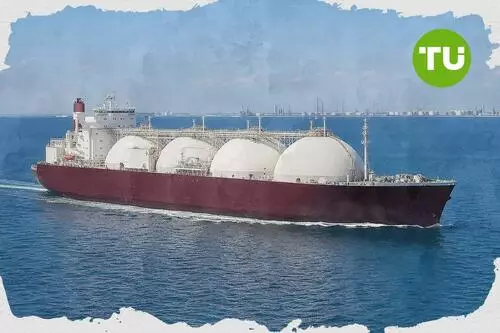
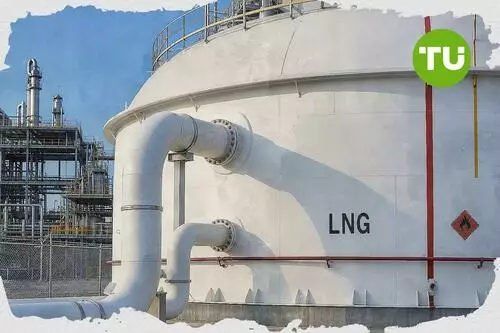
As reported by Reuters, the Alaska LNG project is a proposed development valued at between $44.5 billion and $54.5 billion to move gas from Alaska's North Slope through a pipeline to domestic users and eventually to an export terminal for overseas buyers.The project is 75%-owned by Glenfarne Group, while the state of Alaska holds the remaining 25% stake. It includes a pipeline of more than 800 miles, nearly 1,300 km, linking the North Slope to a liquefaction plant in the southern port of Nikiski.
The current plan is to take a final investment decision on the pipeline in 2026 and on the export facility in 2027, with first LNG exports targeted for 2031. That timeline is later than the previous goal of reaching a pipeline final investment decision by late 2025 after Glenfarne fell short of its target for signing LNG agreements.
Commercial hurdles and market competition
The project is designed to sell LNG into East Asia, where Alaska's southern location would offer shorter shipping routes than U.S. Gulf Coast terminals. It has so far lined up agreements covering 13 million metric tons a year with buyers in Japan, South Korea, Taiwan, Thailand and TotalEnergies, but it still needs deals for another 3 million tons and must convert existing agreements into binding contracts to secure financing.Industry caution remains high despite renewed interest in diversified supply after the U.S.-Israeli war against Iran cut off Gulf shipments. Many market participants view Alaska LNG as a high-risk greenfield project because of its scale, the long pipeline requirement and the developer's limited experience in a project of this size.
Cost pressure is another major concern. The pipeline alone is estimated at between $13.2 billion and $16.9 billion, and overruns could lift LNG prices for buyers while weakening the project's position against lower-cost U.S. Gulf Coast exports and Canadian projects aimed at Asian customers.
Questions also remain about the depth of commercial support. Most of the supply agreements signed so far are non-binding, prompting some in the industry to question whether they reflect firm buying intent or political support for the Trump administration's push to advance Alaska LNG ahead of the November midterm elections.
In our earlier article, we examined how the upcoming U.S. midterm elections could reshape market expectations for fiscal spending, bond yields and risk appetite depending on whether Washington stays divided or delivers a unified result. We also noted that beyond Capitol Hill, investors are tracking politically sensitive investment themes such as AI infrastructure, where local pushback against data centres is turning project approvals into an election-season issue with real economic and market consequences.






Latest Natural Gas News



-
 Afghanistan
-
 Albania
-
 Algeria
-
 Angola
-
 Argentina
-
 Armenia
-
 Australia
-
 Austria
-
 Azerbaijan
-
 Bahamas
-
 Bahrain
-
 Bangladesh
-
 Belarus
-
 Belgium
-
 Bolivia
-
 Botswana
-
 Brazil
-
 Brunei
-
 Bulgaria
-
 Cambodia
-
 Cameroon
-
 Canada
-
 Chile
-
 China
-
 Colombia
-
 Congo
-
 Costa Rica
-
 Cote d'Ivoire
-
 Croatia
-
 Cuba
-
 Cyprus
-
 Czechia
-
 DR Congo
-
 Denmark
-
 Dominican Republic
-
 Ecuador
-
 Egypt
-
 El Salvador
-
 Estonia
-
 Eswatini
-
 Ethiopia
-
 Finland
-
 France
-
 Georgia
-
 Germany
-
 Ghana
-
 Greece
-
 Haiti
-
 Hong Kong
-
 Hungary
-
 India
-
 Indonesia
-
 Iran, Islamic republic
-
 Iraq
-
 Ireland
-
 Israel
-
 Italy
-
 Jamaica
-
 Japan
-
 Jordan
-
 Kazakhstan
-
 Kenya
-
 Korea
-
 Kuwait
-
 Kyrgyzstan
-
 Laos
-
 Latvia
-
 Lebanon
-
 Lesotho
-
 Libya
-
 Lithuania
-
 Luxembourg
-
 Madagascar
-
 Malaysia
-
 Malta
-
 Mauritius
-
 Mexico
-
 Moldova
-
 Mongolia
-
 Montenegro
-
 Morocco
-
 Mozambique
-
 Myanmar
-
 Namibia
-
 Nepal
-
 Netherlands
-
 New Zealand
-
 Nigeria
-
 North Macedonia
-
 Norway
-
 Oman
-
 Pakistan
-
 Palestine
-
 Panama
-
 Papua New Guinea
-
 Paraguay
-
 Peru
-
 Philippines
-
 Poland
-
 Portugal
-
 Puerto Rico
-
 Qatar
-
 Reunion
-
 Romania
-
 Rwanda
-
 Saudi Arabia
-
 Serbia
-
 Singapore
-
 Slovakia
-
 Slovenia
-
 Somalia
-
 South Africa
-
 Spain
-
 Sri Lanka
-
 Sweden
-
 Switzerland
-
 Syria
-
 Taiwan
-
 Tajikistan
-
 Tanzania
-
 Thailand
-
 Trinidad and Tobago
-
 Tunisia
-
 Turkey
-
 UAE
-
 Uganda
-
 Ukraine
-
 United Kingdom
-
United States
-
 Uruguay
-
 Uzbekistan
-
 Venezuela
-
 Vietnam
-
 Yemen
-
 Zambia
-
 Zimbabwe
- Forex
- Crypto












