


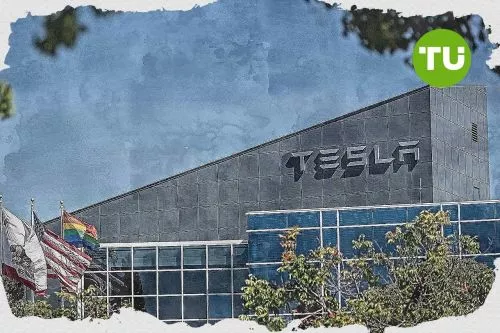
A U.S. regulatory decision is opening the door for more public companies to steer retail shareholder voting toward management-backed positions. The move follows Tesla's proposal to let investors opt into automatic proxy voting aligned with company recommendations, a change activists say could weaken their influence in annual meeting contests.
Highlights
- SEC approves Tesla's 'issuer voluntary retail voting program,' allowing all companies to let investors automatically align proxy votes with management recommendations.
- The new model targets increasing retail investor participation in annual meetings—currently about 30%—and could help issuers reduce costs, with Tesla citing over $2 million spent at its last two meetings.
- Shareholder activists warn the plan could concentrate voting power with management and boards, potentially diminishing the impact of dissident resolutions and shareholder proposals.
Regulatory approval expands proxy voting model
As reported by Reuters, the U.S. Securities and Exchange Commission has backed a Tesla-developed program that allows companies to offer investors the option of casting proxy votes automatically in line with management. In a September 29 letter to the regulator, Tesla described the proposal as an "issuer voluntary retail voting program" developed after what it called extensive discussions with SEC staff.In a same-day response, Tiffany Posil of the SEC's Division of Corporation Finance approved the plan and said the action applies to any other issuer. The program builds on an arrangement created by Exxon last year and is aimed at raising retail investor participation in annual meeting elections, where turnout is about 30%, compared with roughly 77% for institutional investors.
Tesla said the approach would supplement existing voting methods such as websites, mail and phone. The company argued that current systems are not sufficiently user-friendly and said issuers could also cut the costs of soliciting support from small shareholders; Tesla said it spent more than $2 million gathering retail backing at its two most recent annual meetings, including one tied to CEO Elon Musk's pay package.
Governance concerns grow among activists
Shareholder activists say the program risks shifting more influence toward corporate executives and boards because retail investors tend to support management when they do vote. Critics argue that automatic alignment with company recommendations could further reduce the impact of dissident campaigns and shareholder proposals.Private investor James McRitchie, who often sponsors critical shareholder resolutions, said a better reform would let shareholders choose voting priorities such as climate protection or limits on executive pay. He said the SEC-approved change is "blatantly one-sided." The SEC declines further comment, while Tesla does not respond to requests for comment.
Our earlier article on the SEC-approved merger of Century Properties Group and PHirst Park Homes explained how the regulator’s clearance allows CPG to absorb PHirst’s assets, liabilities, and operations under a single listed entity. It also outlined management’s view that the consolidation would streamline overlapping functions and improve capital management and financial visibility for long-term stockholder value.










-
 Afghanistan
-
 Albania
-
 Algeria
-
 Angola
-
 Argentina
-
 Armenia
-
 Australia
-
 Austria
-
 Azerbaijan
-
 Bahamas
-
 Bahrain
-
 Bangladesh
-
 Belarus
-
 Belgium
-
 Bolivia
-
 Botswana
-
 Brazil
-
 Brunei
-
 Bulgaria
-
 Cambodia
-
 Cameroon
-
 Canada
-
 Chile
-
 China
-
 Colombia
-
 Congo
-
 Costa Rica
-
 Cote d'Ivoire
-
 Croatia
-
 Cuba
-
 Cyprus
-
 Czechia
-
 DR Congo
-
 Denmark
-
 Dominican Republic
-
 Ecuador
-
 Egypt
-
 El Salvador
-
 Estonia
-
 Eswatini
-
 Ethiopia
-
 Finland
-
 France
-
 Georgia
-
 Germany
-
 Ghana
-
 Greece
-
 Haiti
-
 Hong Kong
-
 Hungary
-
 India
-
 Indonesia
-
 Iran, Islamic republic
-
 Iraq
-
 Ireland
-
 Israel
-
 Italy
-
 Jamaica
-
 Japan
-
 Jordan
-
 Kazakhstan
-
 Kenya
-
 Korea
-
 Kuwait
-
 Kyrgyzstan
-
 Laos
-
 Latvia
-
 Lebanon
-
 Lesotho
-
 Libya
-
 Lithuania
-
 Luxembourg
-
 Madagascar
-
 Malaysia
-
 Malta
-
 Mauritius
-
 Mexico
-
 Moldova
-
 Mongolia
-
 Montenegro
-
 Morocco
-
 Mozambique
-
 Myanmar
-
 Namibia
-
 Nepal
-
 Netherlands
-
 New Zealand
-
 Nigeria
-
 North Macedonia
-
 Norway
-
 Oman
-
 Pakistan
-
 Palestine
-
 Panama
-
 Papua New Guinea
-
 Paraguay
-
 Peru
-
 Philippines
-
 Poland
-
 Portugal
-
 Puerto Rico
-
 Qatar
-
 Reunion
-
 Romania
-
 Rwanda
-
 Saudi Arabia
-
 Serbia
-
 Singapore
-
 Slovakia
-
 Slovenia
-
 Somalia
-
 South Africa
-
 Spain
-
 Sri Lanka
-
 Sweden
-
 Switzerland
-
 Syria
-
 Taiwan
-
 Tajikistan
-
 Tanzania
-
 Thailand
-
 Trinidad and Tobago
-
 Tunisia
-
 Turkey
-
 UAE
-
 Uganda
-
 Ukraine
-
 United Kingdom
-
United States
-
 Uruguay
-
 Uzbekistan
-
 Venezuela
-
 Vietnam
-
 Yemen
-
 Zambia
-
 Zimbabwe
- Forex
- Crypto












