


Rising security risks in and around the Strait of Hormuz are putting renewed pressure on global oil flows as attacks on commercial vessels continue. The disruption comes as traders also track U.S. fuel relief measures, widening trade imbalances and fresh gains in equity markets.
Highlights
- Iran has attacked nearly 20 commercial ships, mainly tankers, in the Strait of Hormuz and nearby waters over the past month, threatening the recent oil export rebound.
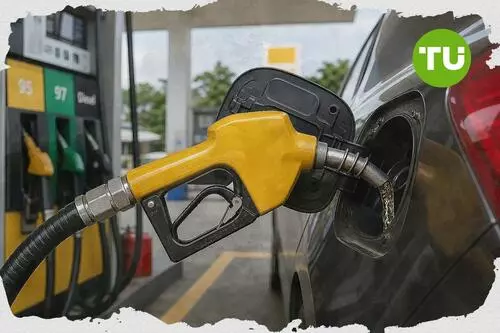
- President Donald Trump is allowing broader use of cheaper red-dyed diesel to ease record-high U.S. fuel costs, potentially saving truckers over $100 per fill-up ahead of the midterms.
- The U.S. trade deficit has widened to $105.6 billion, its largest since March 2025, while tech gains and lower Treasury yields drive S&P 500 and Nasdaq Composite to all-time highs.
Shipping attacks raise supply concerns
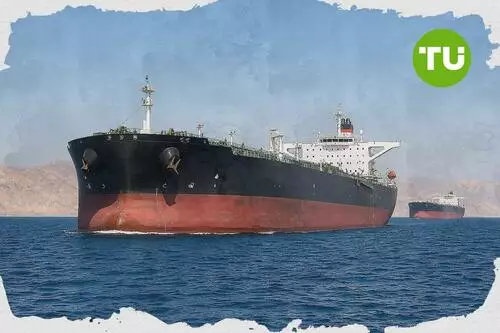
As reported by CNBC, Iran is stepping up attacks on tankers transiting through the Strait of Hormuz, raising concerns among traders that the recent rebound in oil exports through the waterway may not hold.According to the Joint Maritime Information Center, nearly 20 commercial ships, mostly tankers, have come under attack over the past month while sailing through Hormuz, the Persian Gulf or off the coast of Oman. In the absence of a negotiated settlement or capitulation by Iran, questions are persisting over whether the export recovery is sustainable.
U.S. fuel policy and markets in focus
In the U.S., President Donald Trump is temporarily allowing broader use of cheaper red-dyed diesel, which is usually reserved for farm operations, in an effort to ease record-high fuel costs ahead of the U.S. midterm elections. Because the fuel is exempt from highway taxes, truckers could save more than $100 per fill-up, according to the White House.Investors are also watching the U.S. trade deficit, which has reached $105.6 billion, the widest gap since March 2025, just before Trump's "liberation day" announcement of reciprocal tariffs. At the same time, lower Treasury yields and gains in major technology stocks are pushing the S&P 500 and Nasdaq Composite to new all-time highs, while Anthropic says it is expanding its Claude Startups program to offer member companies more access to its AI products and credits.
Our earlier coverage of the escalating attacks on vessels in and around the Strait of Hormuz detailed how the security threat is forcing tanker operators to pay steep crew bonuses and accept soaring war-risk, fuel, and freight costs. We also noted that ship movements through the corridor have fallen and that Gulf oil flows, while partly restored via workarounds, remain vulnerable to further disruption.








-
 Afghanistan
-
 Albania
-
 Algeria
-
 Angola
-
 Argentina
-
 Armenia
-
 Australia
-
 Austria
-
 Azerbaijan
-
 Bahamas
-
 Bahrain
-
 Bangladesh
-
 Belarus
-
 Belgium
-
 Bolivia
-
 Botswana
-
 Brazil
-
 Brunei
-
 Bulgaria
-
 Cambodia
-
 Cameroon
-
 Canada
-
 Chile
-
 China
-
 Colombia
-
 Congo
-
 Costa Rica
-
 Cote d'Ivoire
-
 Croatia
-
 Cuba
-
 Cyprus
-
 Czechia
-
 DR Congo
-
 Denmark
-
 Dominican Republic
-
 Ecuador
-
 Egypt
-
 El Salvador
-
 Estonia
-
 Eswatini
-
 Ethiopia
-
 Finland
-
 France
-
 Georgia
-
 Germany
-
 Ghana
-
 Greece
-
 Haiti
-
 Hong Kong
-
 Hungary
-
 India
-
 Indonesia
-
 Iran, Islamic republic
-
 Iraq
-
 Ireland
-
 Israel
-
 Italy
-
 Jamaica
-
 Japan
-
 Jordan
-
 Kazakhstan
-
 Kenya
-
 Korea
-
 Kuwait
-
 Kyrgyzstan
-
 Laos
-
 Latvia
-
 Lebanon
-
 Lesotho
-
 Libya
-
 Lithuania
-
 Luxembourg
-
 Madagascar
-
 Malaysia
-
 Malta
-
 Mauritius
-
 Mexico
-
 Moldova
-
 Mongolia
-
 Montenegro
-
 Morocco
-
 Mozambique
-
 Myanmar
-
 Namibia
-
 Nepal
-
 Netherlands
-
 New Zealand
-
 Nigeria
-
 North Macedonia
-
 Norway
-
 Oman
-
 Pakistan
-
 Palestine
-
 Panama
-
 Papua New Guinea
-
 Paraguay
-
 Peru
-
 Philippines
-
 Poland
-
 Portugal
-
 Puerto Rico
-
 Qatar
-
 Reunion
-
 Romania
-
 Rwanda
-
 Saudi Arabia
-
 Serbia
-
 Singapore
-
 Slovakia
-
 Slovenia
-
 Somalia
-
 South Africa
-
 Spain
-
 Sri Lanka
-
 Sweden
-
 Switzerland
-
 Syria
-
 Taiwan
-
 Tajikistan
-
 Tanzania
-
 Thailand
-
 Trinidad and Tobago
-
 Tunisia
-
 Turkey
-
 UAE
-
 Uganda
-
 Ukraine
-
 United Kingdom
-
United States
-
 Uruguay
-
 Uzbekistan
-
 Venezuela
-
 Vietnam
-
 Yemen
-
 Zambia
-
 Zimbabwe
- Forex
- Crypto












