

Aramco weighs gas export and financing options as Jafurah output rises

Saudi Arabia’s long-term push to expand gas production is leaving Aramco with strategic choices over how to use rising supply from the Jafurah field. The company is assessing export routes and asset monetisation as it balances domestic energy needs with broader funding demands tied to the kingdom’s economic agenda.
Highlights
- Aramco's $100bn Jafurah project aims to increase gas production by 80 percent from 2021 to 2030, potentially generating 50bn cubic metres surplus annually.
- Aramco is considering spinning off its gas division as a standalone company, Project Gamma, to unlock capital for corporate expansion and Saudi investment goals.
- A planned LNG export terminal tied to Jafurah's phase two has been put on hold, complicating export strategies amid fixed domestic gas prices and regional security risks.
Jafurah growth reshapes gas strategy
As reported by the Financial Times, Aramco is still evaluating how to deploy gas from the Jafurah field, whose development began in 2020 and started production last year. The project, valued at $100bn, is expected to lift the company’s gas production by about 80 per cent from 2021 to the end of the decade, with phase two due to start by 2030.Saudi Arabia has been shifting fossil-fuel power plants to gas so it can free up more crude for export, giving a large share of new supply a domestic outlet. But Wood Mackenzie estimates annual Saudi gas production of 180bn cubic metres could leave as much as 50bn cubic metres a year surplus after domestic needs are met, even if growth in AI and data centres absorbs part of that volume.
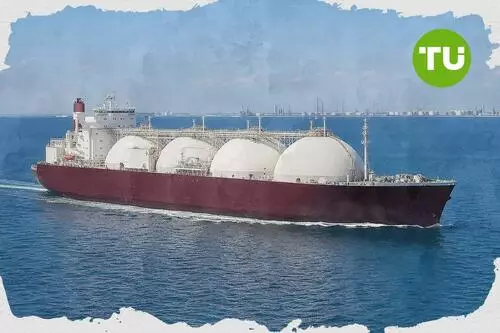
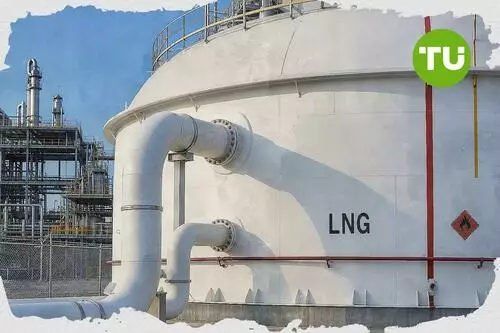
Neivan Boroujerdi, director of corporate research at Wood Mackenzie in Dubai, says Aramco is likely to need overseas buyers if domestic demand does not expand enough. One option is to develop liquefied natural gas exports, although that would require liquefaction capacity; plans for an LNG export terminal linked to phase two of Jafurah were presented last year but have been sidelined for now, according to an Aramco employee cited in the report.
Capital pressure drives monetisation plans
Aramco is also examining whether to separate its gas business into a standalone company that could eventually be listed, an initiative referred to by people familiar with the matter as Project Gamma. The move would extend the company’s efforts to draw more value from infrastructure and operating assets as it seeks to support both corporate expansion and Saudi Arabia’s wider investment programme.That approach follows earlier transactions in which Aramco ringfenced oil pipeline assets and sold a 49 per cent stake in 2021 to investors including EIG and Mubadala, before completing a lease-and-leaseback deal for gas pipelines the following year. People familiar with the company say it is also seeking greater value from assets including real estate, power, water and oil storage.
Industry participants question whether a listing of the gas business is practical under current conditions. Aramco’s domestic gas operations sell at government-set fixed prices, while its international LNG assets are not expected to be part of any new entity, and regional security risks add another complication for any flotation as energy facilities remain exposed to potential attack.
In our earlier coverage of the Iran-related conflict and its impact on energy markets, we explained why the oil shock remained more contained than many initially expected even after disruptions around the Strait of Hormuz. We noted that reduced oil dependence, adaptive supply chains, higher non-Middle East output and inventory drawdowns helped cushion the blow, while risks to prices, refined products and regional energy infrastructure continued to loom.






Latest Natural Gas News


-
 Afghanistan
-
 Albania
-
 Algeria
-
 Angola
-
 Argentina
-
 Armenia
-
 Australia
-
 Austria
-
 Azerbaijan
-
 Bahamas
-
 Bahrain
-
 Bangladesh
-
 Belarus
-
 Belgium
-
 Bolivia
-
 Botswana
-
 Brazil
-
 Brunei
-
 Bulgaria
-
 Cambodia
-
 Cameroon
-
 Canada
-
 Chile
-
 China
-
 Colombia
-
 Congo
-
 Costa Rica
-
 Cote d'Ivoire
-
 Croatia
-
 Cuba
-
 Cyprus
-
 Czechia
-
 DR Congo
-
 Denmark
-
 Dominican Republic
-
 Ecuador
-
 Egypt
-
 El Salvador
-
 Estonia
-
 Eswatini
-
 Ethiopia
-
 Finland
-
 France
-
 Georgia
-
 Germany
-
 Ghana
-
 Greece
-
 Haiti
-
 Hong Kong
-
 Hungary
-
 India
-
 Indonesia
-
 Iran, Islamic republic
-
 Iraq
-
 Ireland
-
 Israel
-
 Italy
-
 Jamaica
-
 Japan
-
 Jordan
-
 Kazakhstan
-
 Kenya
-
 Korea
-
 Kuwait
-
 Kyrgyzstan
-
 Laos
-
 Latvia
-
 Lebanon
-
 Lesotho
-
 Libya
-
 Lithuania
-
 Luxembourg
-
 Madagascar
-
 Malaysia
-
 Malta
-
 Mauritius
-
 Mexico
-
 Moldova
-
 Mongolia
-
 Montenegro
-
 Morocco
-
 Mozambique
-
 Myanmar
-
 Namibia
-
 Nepal
-
 Netherlands
-
 New Zealand
-
 Nigeria
-
 North Macedonia
-
 Norway
-
 Oman
-
 Pakistan
-
 Palestine
-
 Panama
-
 Papua New Guinea
-
 Paraguay
-
 Peru
-
 Philippines
-
 Poland
-
 Portugal
-
 Puerto Rico
-
 Qatar
-
 Reunion
-
 Romania
-
 Rwanda
-
 Saudi Arabia
-
 Serbia
-
 Singapore
-
 Slovakia
-
 Slovenia
-
 Somalia
-
 South Africa
-
 Spain
-
 Sri Lanka
-
 Sweden
-
 Switzerland
-
 Syria
-
 Taiwan
-
 Tajikistan
-
 Tanzania
-
 Thailand
-
 Trinidad and Tobago
-
 Tunisia
-
 Turkey
-
 UAE
-
 Uganda
-
 Ukraine
-
 United Kingdom
-
United States
-
 Uruguay
-
 Uzbekistan
-
 Venezuela
-
 Vietnam
-
 Yemen
-
 Zambia
-
 Zimbabwe
- Forex
- Crypto












