

AI infrastructure buildout faces chip, data center and power bottlenecks

As spending on artificial intelligence accelerates, investors are confronting the practical limits of the computing and energy systems needed to support the sector's expansion. The strain is emerging across data center construction, equipment supply and electricity access for server farms backed by companies such as OpenAI and Anthropic PBC.
Highlights
- Data-center projects for AI workloads are facing increased delays due to equipment shortages, labor constraints, construction moratoria, and permit issues.
- Long grid-connection timelines and slow gas turbine production are significantly limiting new power capacity for electricity-intensive data centers.
- Power access constraints now pose a central industry risk, threatening the ability of AI companies to scale infrastructure as demand grows.
Construction and supply constraints intensify
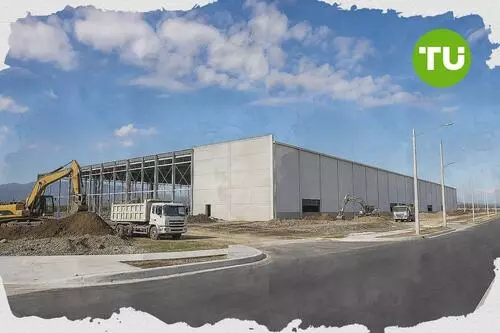
As reported by Bloomberg, data-center projects are running into a widening range of delays as the AI industry pushes to add capacity. Equipment shortages, labor constraints, local-community opposition, construction moratoria and permit delays are slowing efforts to build the facilities needed for advanced AI workloads.The obstacles highlight how the physical foundation behind generative AI is proving far more difficult to scale than the software products it supports. Investors are increasingly recognizing that expanding the sector requires far more than demand for chatbots and models.
Power access becomes a bigger industry risk
Beyond construction setbacks, long grid-connection timelines are adding pressure to the sector's expansion plans. Slow production of gas turbines is also limiting how quickly new power capacity can come online for electricity-intensive server farms.Together, those constraints raise the risk that the tech industry may not secure enough power to operate all of the facilities it wants to build. That challenge could become a central bottleneck for AI companies as they continue to increase infrastructure ambitions.
In our earlier coverage of community opposition to CDC Data Centres’ proposed $15 billion campus near Wagga Wagga, we outlined how local residents are pushing back over zoning changes and concerns about resource use, emissions, and unclear regional benefits. We also noted that the project faces a formal planning process, including consultations and an Environmental Impact Statement addressing issues such as power infrastructure, noise, and water management.






Latest Supply Chain News



-
 Afghanistan
-
 Albania
-
 Algeria
-
 Angola
-
 Argentina
-
 Armenia
-
 Australia
-
 Austria
-
 Azerbaijan
-
 Bahamas
-
 Bahrain
-
 Bangladesh
-
 Belarus
-
 Belgium
-
 Bolivia
-
 Botswana
-
 Brazil
-
 Brunei
-
 Bulgaria
-
 Cambodia
-
 Cameroon
-
 Canada
-
 Chile
-
 China
-
 Colombia
-
 Congo
-
 Costa Rica
-
 Cote d'Ivoire
-
 Croatia
-
 Cuba
-
 Cyprus
-
 Czechia
-
 DR Congo
-
 Denmark
-
 Dominican Republic
-
 Ecuador
-
 Egypt
-
 El Salvador
-
 Estonia
-
 Eswatini
-
 Ethiopia
-
 Finland
-
 France
-
 Georgia
-
 Germany
-
 Ghana
-
 Greece
-
 Haiti
-
 Hong Kong
-
 Hungary
-
 India
-
 Indonesia
-
 Iran, Islamic republic
-
 Iraq
-
 Ireland
-
 Israel
-
 Italy
-
 Jamaica
-
 Japan
-
 Jordan
-
 Kazakhstan
-
 Kenya
-
 Korea
-
 Kuwait
-
 Kyrgyzstan
-
 Laos
-
 Latvia
-
 Lebanon
-
 Lesotho
-
 Libya
-
 Lithuania
-
 Luxembourg
-
 Madagascar
-
 Malaysia
-
 Malta
-
 Mauritius
-
 Mexico
-
 Moldova
-
 Mongolia
-
 Montenegro
-
 Morocco
-
 Mozambique
-
 Myanmar
-
 Namibia
-
 Nepal
-
 Netherlands
-
 New Zealand
-
 Nigeria
-
 North Macedonia
-
 Norway
-
 Oman
-
 Pakistan
-
 Palestine
-
 Panama
-
 Papua New Guinea
-
 Paraguay
-
 Peru
-
 Philippines
-
 Poland
-
 Portugal
-
 Puerto Rico
-
 Qatar
-
 Reunion
-
 Romania
-
 Rwanda
-
 Saudi Arabia
-
 Serbia
-
 Singapore
-
 Slovakia
-
 Slovenia
-
 Somalia
-
 South Africa
-
 Spain
-
 Sri Lanka
-
 Sweden
-
 Switzerland
-
 Syria
-
 Taiwan
-
 Tajikistan
-
 Tanzania
-
 Thailand
-
 Trinidad and Tobago
-
 Tunisia
-
 Turkey
-
 UAE
-
 Uganda
-
 Ukraine
-
 United Kingdom
-
United States
-
 Uruguay
-
 Uzbekistan
-
 Venezuela
-
 Vietnam
-
 Yemen
-
 Zambia
-
 Zimbabwe
- Forex
- Crypto












