

Saudi Arabia faces travel warnings as Houthi attacks disrupt aviation and energy events

Saudi Arabia is continuing to confront drone and missile attacks after deadly strikes on civilian infrastructure, including Riyadh airport, intensify security concerns in the Kingdom. The attacks coincide with major international business gatherings and prompt multiple governments to warn citizens against travel to Saudi destinations.
Highlights
- Saudi aviation authority extends suspension at King Khalid International Airport after repeated Houthi attacks kill 13 and injure over 300 in Riyadh.
- Australia, New Zealand, UK, U.S., Canada, France, Germany, and Japan issue travel warnings amid worsening Saudi security and disrupted major energy events.
- Yemen's Houthi rebels claim responsibility as U.S. considers retaliation, while Iran signals openness to Saudi-Yemen dialogue and reviews U.S. response on Hormuz.
Airport disruption and widening travel advisories
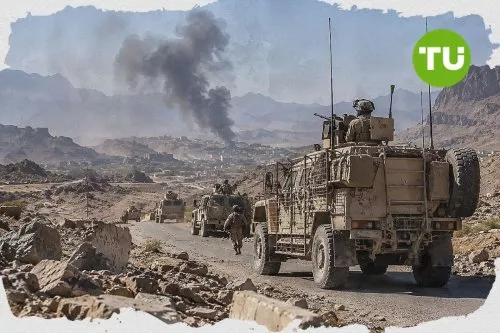
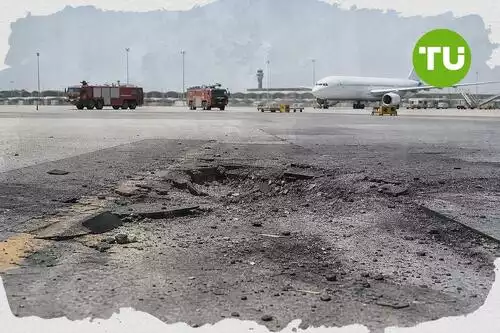
As reported by CNBC, Saudi authorities say they are still dealing with additional drones and missiles after repeated Houthi attacks target Riyadh and other locations in the Kingdom.The Saudi aviation authority extends the suspension of operations at King Khalid International Airport, which has been struck numerous times over the past week. Officials say the deadliest attack comes on Saturday, when 12 people are killed and more than 300 are injured, while another strike on Sunday kills one person and injures nearly a dozen.
Australia and New Zealand on Monday advise their citizens against travel to Riyadh airport and other Saudi destinations. They join similar warnings issued by the UK, U.S., Canada, France, Germany, Japan and other countries as the security situation worsens.
Pressure on security and regional diplomacy
Yemen's Iran-backed Houthi rebels claim responsibility for the attacks, raising renewed scrutiny over Saudi Arabia's air defenses despite the Kingdom's heavy military spending. The fatalities come while Saudi Arabia hosts the World Petroleum Congress, the International Energy Forum Ministerial Meeting and the Future Investment Initiative.U.S. President Donald Trump says on Sunday that the U.S. "may" join Saudi Arabia in retaliatory action against the Houthis. Iranian Foreign Minister Abbas Araghchi says he tells Saudi Foreign Minister Prince Faisal bin Farhan Al Saud that Tehran is willing to take steps to begin dialogue between Saudi Arabia and Yemen, while Iranian Foreign Ministry spokesperson Esmaeil Baghaei says Iran is still reviewing a U.S. response to its proposal to reopen the Strait of Hormuz and will reply through intermediaries.
Our earlier coverage of Iran’s review of Washington’s response on reopening the Strait of Hormuz highlighted how negotiations remain stalled over unmet Iranian conditions and the U.S. insistence on addressing Iran’s nuclear program first. We also noted Tehran’s stated willingness to support Saudi-Yemeni dialogue, while warning that prolonged uncertainty around Hormuz keeps pressure on global oil and LNG shipping routes.









-
 Afghanistan
-
 Albania
-
 Algeria
-
 Angola
-
 Argentina
-
 Armenia
-
 Australia
-
 Austria
-
 Azerbaijan
-
 Bahamas
-
 Bahrain
-
 Bangladesh
-
 Belarus
-
 Belgium
-
 Bolivia
-
 Botswana
-
 Brazil
-
 Brunei
-
 Bulgaria
-
 Cambodia
-
 Cameroon
-
 Canada
-
 Chile
Chile
-
 China
China
-
 Colombia
-
 Congo
Congo
-
 Costa Rica
-
 Cote d'Ivoire
-
 Croatia
-
 Cuba
Cuba
-
 Cyprus
-
 Czechia
-
 DR Congo
-
 Denmark
-
 Dominican Republic
-
 Ecuador
-
 Egypt
Egypt
-
 El Salvador
-
 Estonia
-
 Eswatini
-
 Ethiopia
-
 Finland
-
 France
-
 Georgia
-
 Germany
-
 Ghana
Ghana
-
 Greece
-
 Haiti
Haiti
-
 Hong Kong
-
 Hungary
-
 India
India
-
 Indonesia
-
 Iran, Islamic republic
-
 Iraq
Iraq
-
 Ireland
-
 Israel
-
 Italy
Italy
-
 Jamaica
-
 Japan
Japan
-
 Jordan
-
 Kazakhstan
-
 Kenya
Kenya
-
 Korea
Korea
-
 Kuwait
-
 Kyrgyzstan
-
 Laos
Laos
-
 Latvia
-
 Lebanon
-
 Lesotho
-
 Libya
Libya
-
 Lithuania
-
 Luxembourg
-
 Madagascar
-
 Malaysia
-
 Malta
Malta
-
 Mauritius
-
 Mexico
-
 Moldova
-
 Mongolia
-
 Montenegro
-
 Morocco
-
 Mozambique
-
 Myanmar
-
 Namibia
-
 Nepal
Nepal
-
 Netherlands
-
 New Zealand
-
 Nigeria
-
 North Macedonia
-
 Norway
-
 Oman
Oman
-
 Pakistan
-
 Palestine
-
 Panama
-
 Papua New Guinea
-
 Paraguay
-
 Peru
Peru
-
 Philippines
-
 Poland
-
 Portugal
-
 Puerto Rico
-
 Qatar
Qatar
-
 Reunion
-
 Romania
-
 Rwanda
-
 Saudi Arabia
-
 Serbia
-
 Singapore
-
 Slovakia
-
 Slovenia
-
 Somalia
-
 South Africa
-
 Spain
Spain
-
 Sri Lanka
-
 Sweden
-
 Switzerland
-
 Syria
Syria
-
 Taiwan
-
 Tajikistan
-
 Tanzania
-
 Thailand
-
 Trinidad and Tobago
-
 Tunisia
-
 Turkey
-
 UAE
UAE
-
 Uganda
-
 Ukraine
-
 United Kingdom
-
United States
-
 Uruguay
-
 Uzbekistan
-
 Venezuela
-
 Vietnam
-
 Yemen
Yemen
-
 Zambia
-
 Zimbabwe
- Forex
- Crypto












