
Scotland study identifies high-potential areas for new nuclear development
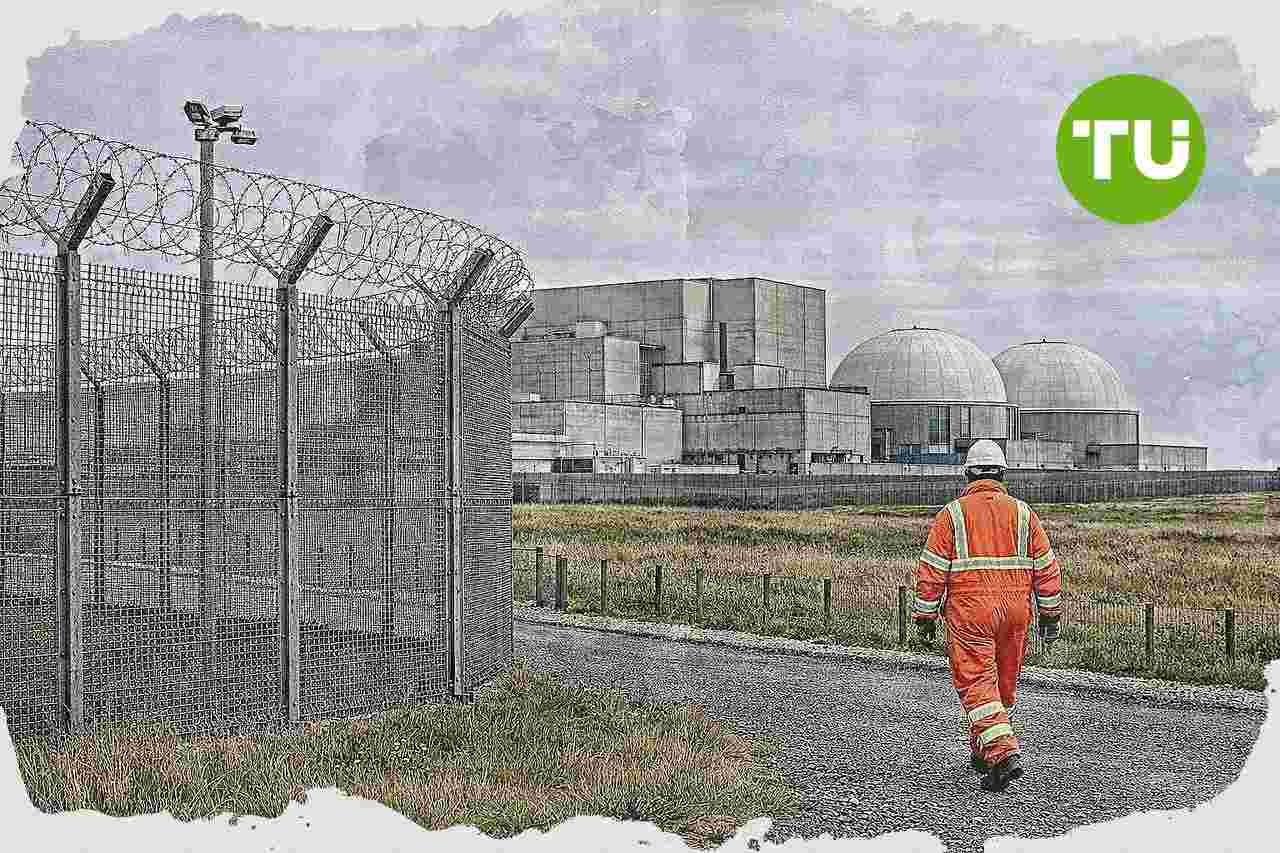
A government-backed technical assessment says parts of Scotland could be suitable for future new nuclear projects, adding to debate over the country’s energy mix and industrial strategy. The study highlights existing nuclear-linked locations and other coastal areas, even as the Scottish Government maintains its opposition to granting planning consent for new nuclear schemes.
Highlights
- A government-commissioned study by Great British Energy-Nuclear identified Torness, Dounreay, and Hunterston, plus new eastern coastal areas, as high-potential Scottish nuclear sites.
- The report notes that while Scotland has technical suitability for new nuclear development, further evaluations on grid, community engagement, and commercial viability are required before projects advance.
- Amid UK-Scottish policy divisions, Energy Minister Michael Shanks and the Nuclear Industry Association stress new nuclear could boost Scotland’s energy security and economic growth, but current policy blocks projects.
Study findings and identified locations
As reported by GOV.UK, Great British Energy-Nuclear completed a technical siting study after being commissioned by the Energy Secretary in autumn last year to examine areas in Scotland that may be suitable for future nuclear development, including small modular reactors and large-scale power stations.The report identifies Torness in East Lothian, Dounreay in Caithness and Hunterston in North Ayrshire as areas currently associated with nuclear power. It also points to other potential areas around the Firth of Forth Estuary and the eastern coast of Scotland.
The government-commissioned study concludes that Scotland has land areas with high potential for new nuclear development from a technical perspective. It adds that further site-specific work, including reviews of grid requirements, community engagement and development of a commercial case, would still be needed before confirming suitability for any individual project.
Policy divide and sector impact
The findings land amid a continuing policy split between the UK and Scottish governments over nuclear power. While the UK government says it is pursuing a broader expansion of the sector through projects such as Sizewell C in Suffolk and small modular reactors in North Wales, the Scottish Government continues to hold a long-standing policy against approving new nuclear developments.Energy Minister Michael Shanks says the report shows Scotland has potential for new nuclear that could strengthen energy security and support new jobs. He argues Scotland is missing economic and energy benefits available elsewhere in the UK because of the lack of new projects.
The wider industry is also pressing for a change in approach. Tom Greatrex, chief executive of the Nuclear Industry Association, says Scotland has the sites, skills and engineering base for new projects, and he says new nuclear investment could support local communities, improve energy security and create thousands of jobs.
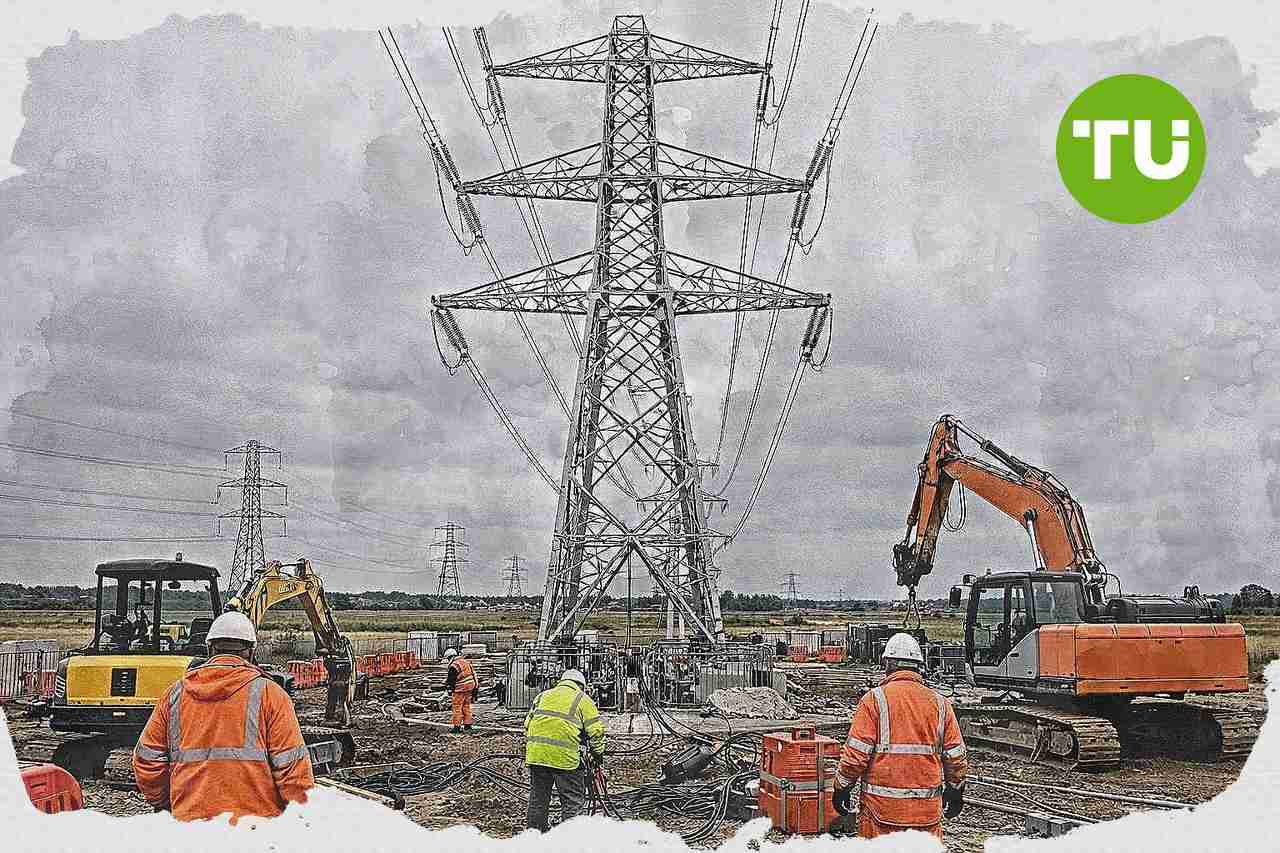
Our earlier article on the UK’s power grid overhaul highlighted the National Energy System Operator’s call for a much larger investment programme through the 2030s to cope with rising electricity demand and more offshore wind. It noted that network charges already make up a significant share of household bills and that higher upgrade costs could intensify political pressure as the government pursues clean-power goals while trying to limit living-cost impacts.





Latest National Grid News








-
 Afghanistan
-
 Albania
-
 Algeria
-
 Angola
-
 Argentina
-
 Armenia
-
 Australia
-
 Austria
-
 Azerbaijan
-
 Bahamas
-
 Bahrain
-
 Bangladesh
-
 Belarus
-
 Belgium
-
 Bolivia
-
 Botswana
-
 Brazil
-
 Brunei
-
 Bulgaria
-
 Cambodia
-
 Cameroon
-
 Canada
-
 Chile
Chile
-
 China
China
-
 Colombia
-
 Congo
Congo
-
 Costa Rica
-
 Cote d'Ivoire
-
 Croatia
-
 Cuba
Cuba
-
 Cyprus
-
 Czechia
-
 DR Congo
-
 Denmark
-
 Dominican Republic
-
 Ecuador
-
 Egypt
Egypt
-
 El Salvador
-
 Estonia
-
 Eswatini
-
 Ethiopia
-
 Finland
-
 France
-
 Georgia
-
 Germany
-
 Ghana
Ghana
-
 Greece
-
 Haiti
Haiti
-
 Hong Kong
-
 Hungary
-
 India
India
-
 Indonesia
-
 Iran, Islamic republic
-
 Iraq
Iraq
-
 Ireland
-
 Israel
-
 Italy
Italy
-
 Jamaica
-
 Japan
Japan
-
 Jordan
-
 Kazakhstan
-
 Kenya
Kenya
-
 Korea
Korea
-
 Kuwait
-
 Kyrgyzstan
-
 Laos
Laos
-
 Latvia
-
 Lebanon
-
 Lesotho
-
 Libya
Libya
-
 Lithuania
-
 Luxembourg
-
 Madagascar
-
 Malaysia
-
 Malta
Malta
-
 Mauritius
-
 Mexico
-
 Moldova
-
 Mongolia
-
 Montenegro
-
 Morocco
-
 Mozambique
-
 Myanmar
-
 Namibia
-
 Nepal
Nepal
-
 Netherlands
-
 New Zealand
-
 Nigeria
-
 North Macedonia
-
 Norway
-
 Oman
Oman
-
 Pakistan
-
 Palestine
-
 Panama
-
 Papua New Guinea
-
 Paraguay
-
 Peru
Peru
-
 Philippines
-
 Poland
-
 Portugal
-
 Puerto Rico
-
 Qatar
Qatar
-
 Reunion
-
 Romania
-
 Rwanda
-
 Saudi Arabia
-
 Serbia
-
 Singapore
-
 Slovakia
-
 Slovenia
-
 Somalia
-
 South Africa
-
 Spain
Spain
-
 Sri Lanka
-
 Sweden
-
 Switzerland
-
 Syria
Syria
-
 Taiwan
-
 Tajikistan
-
 Tanzania
-
 Thailand
-
 Trinidad and Tobago
-
 Tunisia
-
 Turkey
-
 UAE
UAE
-
 Uganda
-
 Ukraine
-
 United Kingdom
-
United States
-
 Uruguay
-
 Uzbekistan
-
 Venezuela
-
 Vietnam
-
 Yemen
Yemen
-
 Zambia
-
 Zimbabwe
- Forex
- Crypto











