
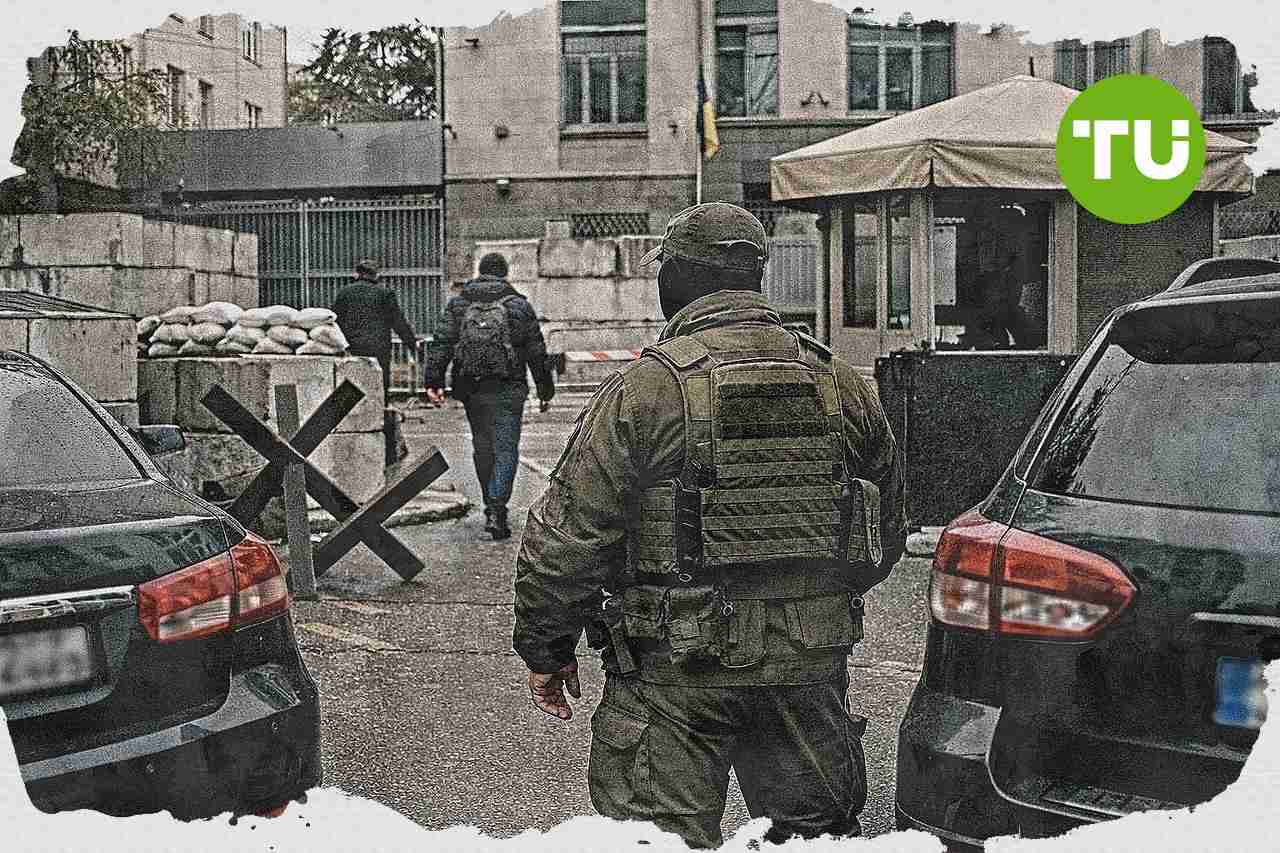
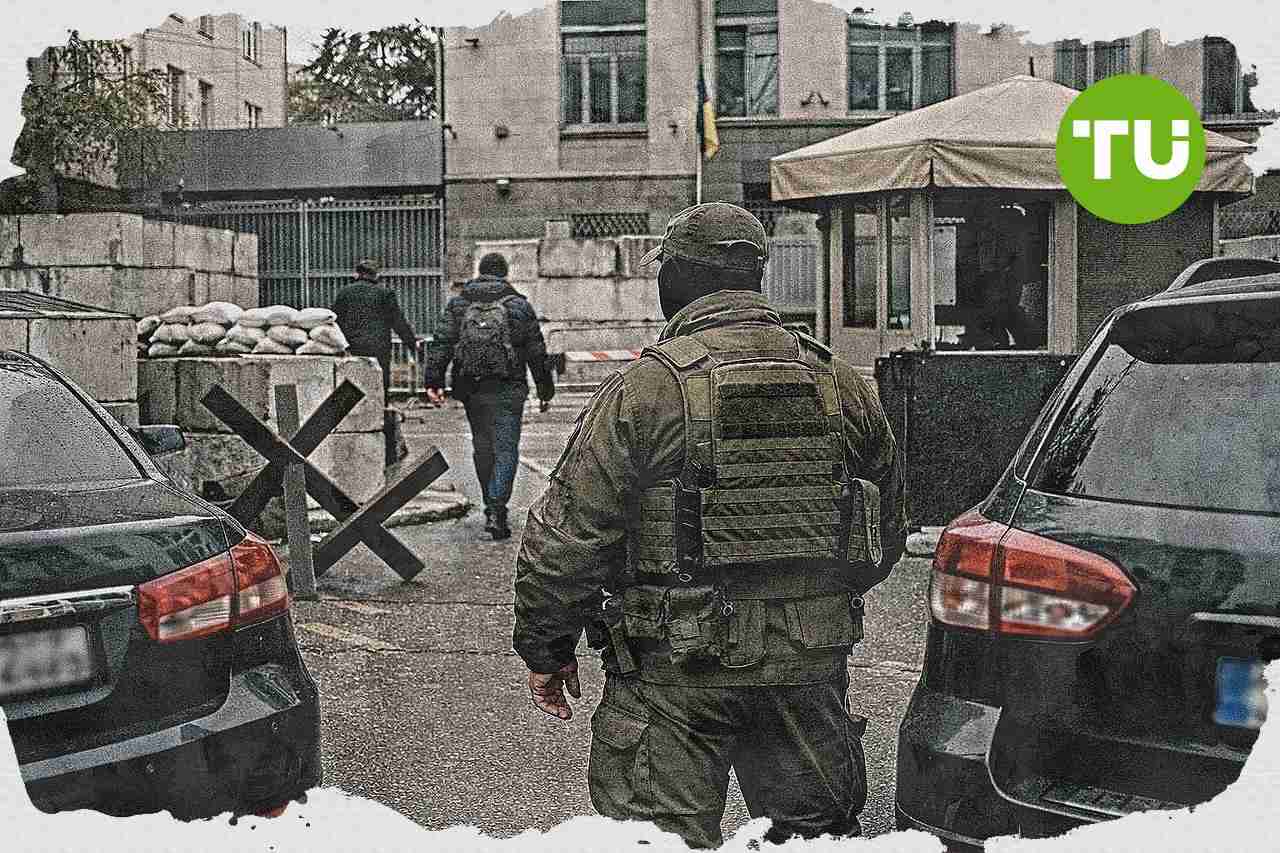
The UK says its support for Ukraine remains long term as it pushes for a just and lasting peace that protects the country’s sovereignty and territorial integrity. The statement argues that meaningful diplomacy is impossible while Russia rejects a ceasefire, refuses direct engagement with Kyiv and continues attacks on Ukrainian cities.
Highlights
- The UK accuses Russia of refusing a full, immediate and unconditional ceasefire and declining repeated direct dialogue offers from President Volodymyr Zelenskyy.
- Russia issued formal warnings for diplomatic missions to leave Kyiv, with the threat reiterated on 24 June, actions the UK frames as intimidation rather than genuine diplomacy.
- Russia sustains about 38,000 monthly casualties with minimal territorial gains while escalating long-range strikes and employing Oreshnik nuclear-capable missiles against Ukrainian cities.
UK outlines ceasefire and negotiation demands
As reported by GOV.UK, UK Senior Military Advisor Colonel Joby Rimmer tells the OSCE that London backs credible diplomatic efforts to end the war but says Russia is not negotiating in good faith. He says Moscow continues to talk about peace while refusing a full, immediate and unconditional ceasefire and declining repeated offers of direct dialogue from President Volodymyr Zelenskyy.The UK says this contradiction sits at the core of Russia’s position, arguing that claims of openness to talks are undermined by ongoing military action. In the statement, Rimmer says peace cannot be achieved through rhetoric while Russian forces continue fighting and while channels offered by Kyiv remain unused.
He also points to Russian warnings to diplomatic missions in Kyiv as further evidence of coercive pressure rather than genuine diplomacy. The statement says formal notes were issued to embassies on 6 May, that Russia’s defence ministry advised diplomatic personnel to leave Kyiv on 25 May after a major attack, and that Moscow repeated in the OSCE forum on 24 June that the threat remained in force.
Security risks and wider regional implications
The UK says embassies have not left Kyiv or announced plans to do so, framing the Russian messages as an attempt to intimidate the diplomatic community and undermine confidence in the Ukrainian capital. It also criticises nuclear signalling after Belarus said the Union State framework includes the use of all possible means available, including nuclear means, a message the Russian delegation then repeated in the forum.Rimmer says such rhetoric is irresponsible and coercive, increasing risk rather than supporting negotiations, while stressing that the situation is not a nuclear crisis and should not become one. He also says Russia continues to sustain monthly casualties of about 38,000 for negligible territorial gains, while intensifying long-range strikes and using Oreshnik nuclear-capable intermediate-range ballistic missiles against Ukrainian cities.
The UK repeats its call for Russia to de-escalate by ending what it describes as its illegal and unprovoked invasion of Ukraine. London says the path to peace is clear if Moscow agrees to an immediate ceasefire and opens direct channels with Kyiv.
Our earlier coverage of the UK’s defence spending and rearmament plan highlighted mounting criticism that the government is focusing on headline targets while key funding remains unclear. We noted that turning higher budgets into real capability depends on procurement reform, supply-chain capacity, and a coherent strategy to meet persistent security threats linked to Russia.





Latest Russia News






-
 Afghanistan
-
 Albania
-
 Algeria
-
 Angola
-
 Argentina
-
 Armenia
-
 Australia
-
 Austria
-
 Azerbaijan
-
 Bahamas
-
 Bahrain
-
 Bangladesh
-
 Belarus
-
 Belgium
-
 Bolivia
-
 Botswana
-
 Brazil
-
 Brunei
-
 Bulgaria
-
 Cambodia
-
 Cameroon
-
 Canada
-
 Chile
Chile
-
 China
China
-
 Colombia
-
 Congo
Congo
-
 Costa Rica
-
 Cote d'Ivoire
-
 Croatia
-
 Cuba
Cuba
-
 Cyprus
-
 Czechia
-
 DR Congo
-
 Denmark
-
 Dominican Republic
-
 Ecuador
-
 Egypt
Egypt
-
 El Salvador
-
 Estonia
-
 Eswatini
-
 Ethiopia
-
 Finland
-
 France
-
 Georgia
-
 Germany
-
 Ghana
Ghana
-
 Greece
-
 Haiti
Haiti
-
 Hong Kong
-
 Hungary
-
 India
India
-
 Indonesia
-
 Iran, Islamic republic
-
 Iraq
Iraq
-
 Ireland
-
 Israel
-
 Italy
Italy
-
 Jamaica
-
 Japan
Japan
-
 Jordan
-
 Kazakhstan
-
 Kenya
Kenya
-
 Korea
Korea
-
 Kuwait
-
 Kyrgyzstan
-
 Laos
Laos
-
 Latvia
-
 Lebanon
-
 Lesotho
-
 Libya
Libya
-
 Lithuania
-
 Luxembourg
-
 Madagascar
-
 Malaysia
-
 Malta
Malta
-
 Mauritius
-
 Mexico
-
 Moldova
-
 Mongolia
-
 Montenegro
-
 Morocco
-
 Mozambique
-
 Myanmar
-
 Namibia
-
 Nepal
Nepal
-
 Netherlands
-
 New Zealand
-
 Nigeria
-
 North Macedonia
-
 Norway
-
 Oman
Oman
-
 Pakistan
-
 Palestine
-
 Panama
-
 Papua New Guinea
-
 Paraguay
-
 Peru
Peru
-
 Philippines
-
 Poland
-
 Portugal
-
 Puerto Rico
-
 Qatar
Qatar
-
 Reunion
-
 Romania
-
 Rwanda
-
 Saudi Arabia
-
 Serbia
-
 Singapore
-
 Slovakia
-
 Slovenia
-
 Somalia
-
 South Africa
-
 Spain
Spain
-
 Sri Lanka
-
 Sweden
-
 Switzerland
-
 Syria
Syria
-
 Taiwan
-
 Tajikistan
-
 Tanzania
-
 Thailand
-
 Trinidad and Tobago
-
 Tunisia
-
 Turkey
-
 UAE
UAE
-
 Uganda
-
 Ukraine
-
 United Kingdom
-
United States
-
 Uruguay
-
 Uzbekistan
-
 Venezuela
-
 Vietnam
-
 Yemen
Yemen
-
 Zambia
-
 Zimbabwe
- Forex
- Crypto











