The tweet was deleted by the author.
But we saved everything 🙂.


The United States said it intercepted a surprise ballistic missile attack launched by Iran against American forces in the Middle East, ending a brief pause in hostilities and raising the risk of another escalation. The renewed military confrontation immediately pushed oil prices higher as investors reassessed the security of global energy supplies.
U.S. Central Command said Iran's Islamic Revolutionary Guard Corps launched multiple ballistic missiles toward U.S. military positions in the region. According to the Pentagon, all missiles were intercepted, and no casualties or damage were reported.
View post on X Loading...
The attack came only days after Tehran had indicated it would refrain from further strikes if Washington avoided additional military action. In response, U.S. and Saudi forces also carried out coordinated strikes on logistics hubs and weapons facilities used by Iran-backed militant groups in eastern Iraq after more than 30 drone attacks targeted U.S. forces over the previous 72 hours.
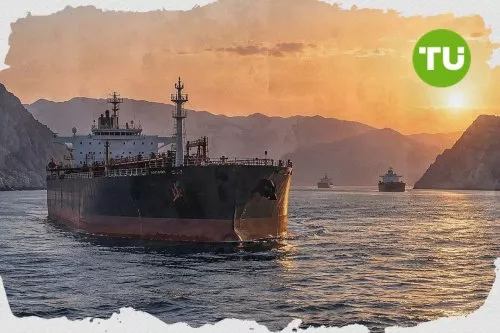
At the same time, maritime security concerns intensified. The UK Maritime Trade Operations center reported suspicious activity in the southern Red Sea after a commercial vessel reported hearing an explosion during transit, underscoring growing risks for shipping across one of the world's busiest energy corridors.
Crude prices rebounded as traders priced in a higher geopolitical risk premium.
Brent crude rose to $84.59 per barrel, gaining 1.89%, while U.S. West Texas Intermediate advanced to $82.18, up 3.87%. The recovery reversed part of the sharp declines recorded over the previous three trading sessions, when hopes for renewed diplomacy had eased concerns over regional supply disruptions.
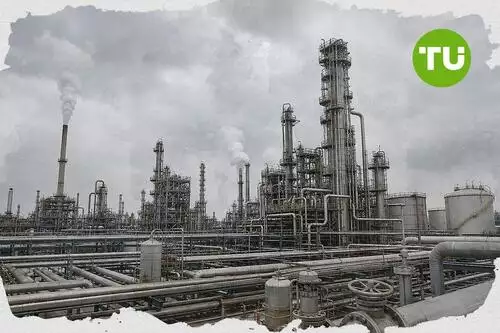
Although no major oil infrastructure has been damaged and shipping through the Strait of Hormuz continues, investors remain focused on the possibility that additional military action could threaten one of the world's most important energy export routes. The renewed tension also coincides with increased security alerts in the Red Sea, adding another layer of uncertainty for global crude transportation.
The renewed exchange of military action has shifted investor attention back to geopolitical risk after several sessions dominated by expectations of diplomacy. Rising oil prices could increase fuel and transportation costs globally, while higher energy prices may complicate inflation forecasts and central bank policy expectations.
For financial markets, the immediate concern is not current supply losses but the possibility that further escalation could disrupt crude exports or commercial shipping. Until tensions ease, energy markets are likely to remain highly sensitive to developments in the Middle East, with oil continuing to reflect a significant geopolitical premium.
Earlier, we reported that Houthis threaten Saudi shipping as oil market risks deepen.



 Afghanistan
 Albania
 Algeria
 Angola
 Argentina
 Armenia
 Australia
 Austria
 Azerbaijan
 Bahamas
 Bahrain
 Bangladesh
 Belarus
 Belgium
 Bolivia
 Botswana
 Brazil
 Brunei
 Bulgaria
 Cambodia
 Cameroon
 Canada
 Chile
 China
 Colombia
 Congo
 Costa Rica
 Cote d'Ivoire
 Croatia
 Cuba
 Cyprus
 Czechia
 DR Congo
 Denmark
 Dominican Republic
 Ecuador
 Egypt
 El Salvador
 Estonia
 Eswatini
 Ethiopia
 Finland
 France
 Georgia
 Germany
 Ghana
 Greece
 Haiti
 Hong Kong
 Hungary
 India
 Indonesia
 Iran, Islamic republic
 Iraq
 Ireland
 Israel
 Italy
 Jamaica
 Japan
 Jordan
 Kazakhstan
 Kenya
 Korea
 Kuwait
 Kyrgyzstan
 Laos
 Latvia
 Lebanon
 Lesotho
 Libya
 Lithuania
 Luxembourg
 Madagascar
 Malaysia
 Malta
 Mauritius
 Mexico
 Moldova
 Mongolia
 Montenegro
 Morocco
 Mozambique
 Myanmar
 Namibia
 Nepal
 Netherlands
 New Zealand
 Nigeria
 North Macedonia
 Norway
 Oman
 Pakistan
 Palestine
 Panama
 Papua New Guinea
 Paraguay
 Peru
 Philippines
 Poland
 Portugal
 Puerto Rico
 Qatar
 Reunion
 Romania
 Rwanda
 Saudi Arabia
 Serbia
 Singapore
 Slovakia
 Slovenia
 Somalia
 South Africa
 Spain
 Sri Lanka
 Sweden
 Switzerland
 Syria
 Taiwan
 Tajikistan
 Tanzania
 Thailand
 Trinidad and Tobago
 Tunisia
 Turkey
 UAE
 Uganda
 Ukraine
 United Kingdom
United States
 Uruguay
 Uzbekistan
 Venezuela
 Vietnam
 Yemen
 Zambia
 Zimbabwe