

Trump rules out Iran talks as Hormuz standoff deepens

The U.S.-Iran confrontation is settling into a prolonged standoff after a temporary negotiating framework expired without a lasting agreement, leaving the Strait of Hormuz operating far below normal levels. Washington and Tehran remain divided over sanctions, maritime control, and the conditions for restoring unrestricted shipping through one of the world's most important energy corridors.
Highlights
- U.S.-Iran negotiations remain suspended.
- Hormuz traffic is still far below normal.
- About 20% of oil and LNG once crossed the strait.
- Shipping attacks keep supply risks elevated.
President Donald Trump said there were no negotiations underway or scheduled with Iran after the 60-day memorandum signed in June expired, Bloomberg reported. The breakdown leaves the status of Hormuz unresolved at a time when attacks on commercial vessels and sharply reduced traffic are keeping a geopolitical premium embedded in oil prices.
Hormuz remains at the center of the dispute
Iran has tied a full reopening of the strait to several demands, including the lifting of oil sanctions, the release of frozen assets, an end to the U.S. blockade of Iranian ports, and a halt to military operations. Washington, meanwhile, opposes Iranian plans to impose charges on vessels and has rejected Tehran's attempt to establish a new framework for managing traffic with Oman.
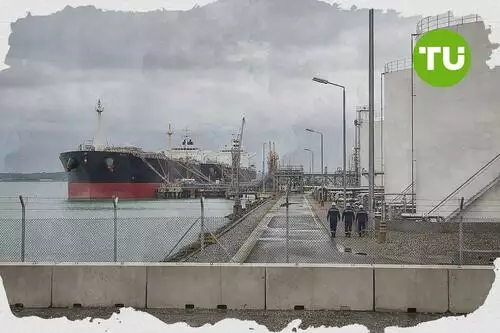
The stakes extend well beyond the two countries. Before the war, roughly one-fifth of global crude oil and liquefied natural gas supplies moved through Hormuz. Traffic remains substantially below those levels, making even limited attacks capable of affecting freight costs, insurance premiums, and expectations for future energy supplies.
Security risks intensified Tuesday after a vessel leaving the strait was struck by a projectile. The attack damaged its engine room and caused one casualty. The incident reinforced concerns that commercial shipping remains vulnerable even without a broader escalation of hostilities.
Regional tensions also widened after the United Arab Emirates suspended trade, commercial exchanges, and financial transactions with Iran. The UAE said the decision followed Iranian missile launches toward its territory, while Tehran denied launching a missile at the country.
A standoff with few easy exits
The expiration of the June arrangement removes a mechanism that had at least provided space for negotiations. Iran and Oman are still discussing management of Hormuz without direct U.S. participation, but the gap between Washington and Tehran remains wide.
For the U.S., a prolonged confrontation carries economic costs through higher fuel prices and persistent uncertainty in global energy markets. Iran faces its own pressure from sanctions, weaker crude exports, damaged industrial capacity, and elevated domestic inflation. Neither side, however, has yet shown enough flexibility to produce a durable settlement.
That raises the possibility that restricted shipping becomes a longer-lasting feature of the energy market rather than a temporary disruption. Even without a complete closure, lower traffic through Hormuz can sustain higher transportation and insurance costs while leaving crude prices unusually sensitive to military developments.
Oil market reaction
Oil prices remain supported by the prospect of prolonged disruption. According to the latest market data provided, Brent crude futures rose 0.67% to $91.63 a barrel, while U.S. West Texas Intermediate futures gained 0.76% to $84.70.
The moves show that traders are continuing to price a supply-risk premium into crude. With Hormuz traffic constrained and no diplomatic breakthrough in sight, further attacks or tighter restrictions could push that premium higher. Conversely, a credible agreement restoring shipping would remove one of the strongest geopolitical supports for oil prices.
Earlier, we reported that IEA sees a sharper oil shortage as the Hormuz crisis restricts supply.









-
 Afghanistan
-
 Albania
-
 Algeria
-
 Angola
-
 Argentina
-
 Armenia
-
 Australia
-
 Austria
-
 Azerbaijan
-
 Bahamas
-
 Bahrain
-
 Bangladesh
-
 Belarus
-
 Belgium
-
 Bolivia
-
 Botswana
-
 Brazil
-
 Brunei
-
 Bulgaria
-
 Cambodia
-
 Cameroon
-
 Canada
-
 Chile
-
 China
-
 Colombia
-
 Congo
-
 Costa Rica
-
 Cote d'Ivoire
-
 Croatia
-
 Cuba
-
 Cyprus
-
 Czechia
-
 DR Congo
-
 Denmark
-
 Dominican Republic
-
 Ecuador
-
 Egypt
-
 El Salvador
-
 Estonia
-
 Eswatini
-
 Ethiopia
-
 Finland
-
 France
-
 Georgia
-
 Germany
-
 Ghana
-
 Greece
-
 Haiti
-
 Hong Kong
-
 Hungary
-
 India
-
 Indonesia
-
 Iran, Islamic republic
-
 Iraq
-
 Ireland
-
 Israel
-
 Italy
-
 Jamaica
-
 Japan
-
 Jordan
-
 Kazakhstan
-
 Kenya
-
 Korea
-
 Kuwait
-
 Kyrgyzstan
-
 Laos
-
 Latvia
-
 Lebanon
-
 Lesotho
-
 Libya
-
 Lithuania
-
 Luxembourg
-
 Madagascar
-
 Malaysia
-
 Malta
-
 Mauritius
-
 Mexico
-
 Moldova
-
 Mongolia
-
 Montenegro
-
 Morocco
-
 Mozambique
-
 Myanmar
-
 Namibia
-
 Nepal
-
 Netherlands
-
 New Zealand
-
 Nigeria
-
 North Macedonia
-
 Norway
-
 Oman
-
 Pakistan
-
 Palestine
-
 Panama
-
 Papua New Guinea
-
 Paraguay
-
 Peru
-
 Philippines
-
 Poland
-
 Portugal
-
 Puerto Rico
-
 Qatar
-
 Reunion
-
 Romania
-
 Rwanda
-
 Saudi Arabia
-
 Serbia
-
 Singapore
-
 Slovakia
-
 Slovenia
-
 Somalia
-
 South Africa
-
 Spain
-
 Sri Lanka
-
 Sweden
-
 Switzerland
-
 Syria
-
 Taiwan
-
 Tajikistan
-
 Tanzania
-
 Thailand
-
 Trinidad and Tobago
-
 Tunisia
-
 Turkey
-
 UAE
-
 Uganda
-
 Ukraine
-
 United Kingdom
-
United States
-
 Uruguay
-
 Uzbekistan
-
 Venezuela
-
 Vietnam
-
 Yemen
-
 Zambia
-
 Zimbabwe
- Forex
- Crypto












