

Iran and Oman discuss safe Hormuz route after shipping disruptions

Iran and Oman have revived talks on creating a temporary navigation corridor through the Strait of Hormuz, offering a possible route toward restoring commercial shipping while Tehran and Washington remain locked in a broader political standoff. The proposal could ease pressure on energy flows, but a fresh tanker incident near the entrance to the strait shows that security risks have not disappeared.
Highlights
- Iran and Oman are discussing a temporary shipping corridor through the Strait of Hormuz.
- The plan includes mine clearance as commercial traffic remains severely restricted.
- Oil prices fell as traders focused on easing escalation risks.
Iran and Oman discussed establishing a joint temporary navigational corridor and clearing mines from the waterway, Reuters reported. Most commercial traffic through the strait has remained severely disrupted since the conflict began in February, making any workable shipping arrangement important for oil and LNG exporters, tanker operators, and buyers.
A corridor without a wider settlement
The negotiations are focused on navigation rather than a broader diplomatic settlement. Fighting between the United States and Iran has diminished substantially, but attempts to reach a political agreement remain stalled.
That distinction matters for shipping. A temporary corridor could provide merchant vessels with a more predictable route without requiring Washington and Tehran to resolve the underlying conflict first. Mine clearance would also reduce one of the direct hazards facing tankers and other commercial ships.
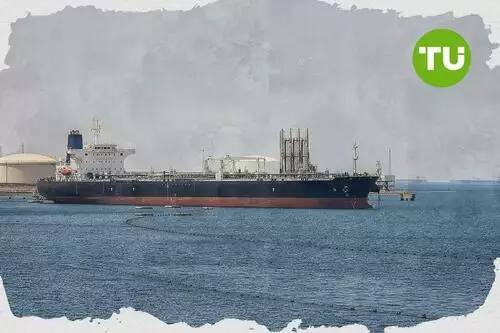
The security picture remains fragile. A tanker was disabled after being hit by an unidentified projectile about nine nautical miles, or 17 kilometers, northeast of Ash Shishah in Oman, close to the entrance of the strait. The incident highlighted the continuing physical risks even as the immediate prospect of a larger military escalation has receded.
Washington, meanwhile, has begun returning personnel to some diplomatic missions in the Middle East that had previously been evacuated or reduced. The move suggests U.S. officials see a lower near-term risk of a major escalation, although some missions are expected to remain below normal staffing levels.
Oil market focus shifts back to physical flows
The corridor discussions arrive as Washington increases economic pressure on Iran. The United States has threatened penalties against countries and companies that continue doing business with Tehran, although the measures are not being imposed immediately.
For energy markets, the critical question is whether diplomacy can translate into a sustained return of tanker traffic. A functioning corridor would reduce some of the geopolitical premium embedded in crude prices and improve confidence that disrupted Middle Eastern barrels can reach international buyers. Another attack on commercial shipping, however, could quickly reverse that calculation.
That tension is already visible in prices. Based on the latest market data provided, Brent crude was at $85.52 a barrel, down 3.50%, while WTI traded at $80.36, down 0.91%. The declines suggest traders are currently giving greater weight to reduced escalation risks and the possibility of safer navigation than to the latest U.S. sanctions threat. The market remains vulnerable to abrupt moves if shipping conditions deteriorate again.
We also reported the U.S. weighs new trade measures after Canada imposes 50% tariffs.





Latest Iran war News





-
 Afghanistan
-
 Albania
-
 Algeria
-
 Angola
-
 Argentina
-
 Armenia
-
 Australia
-
 Austria
-
 Azerbaijan
-
 Bahamas
-
 Bahrain
-
 Bangladesh
-
 Belarus
-
 Belgium
-
 Bolivia
-
 Botswana
-
 Brazil
-
 Brunei
-
 Bulgaria
-
 Cambodia
-
 Cameroon
-
 Canada
-
 Chile
Chile
-
 China
China
-
 Colombia
-
 Congo
Congo
-
 Costa Rica
-
 Cote d'Ivoire
-
 Croatia
-
 Cuba
Cuba
-
 Cyprus
-
 Czechia
-
 DR Congo
-
 Denmark
-
 Dominican Republic
-
 Ecuador
-
 Egypt
Egypt
-
 El Salvador
-
 Estonia
-
 Eswatini
-
 Ethiopia
-
 Finland
-
 France
-
 Georgia
-
 Germany
-
 Ghana
Ghana
-
 Greece
-
 Haiti
Haiti
-
 Hong Kong
-
 Hungary
-
 India
India
-
 Indonesia
-
 Iran, Islamic republic
-
 Iraq
Iraq
-
 Ireland
-
 Israel
-
 Italy
Italy
-
 Jamaica
-
 Japan
Japan
-
 Jordan
-
 Kazakhstan
-
 Kenya
Kenya
-
 Korea
Korea
-
 Kuwait
-
 Kyrgyzstan
-
 Laos
Laos
-
 Latvia
-
 Lebanon
-
 Lesotho
-
 Libya
Libya
-
 Lithuania
-
 Luxembourg
-
 Madagascar
-
 Malaysia
-
 Malta
Malta
-
 Mauritius
-
 Mexico
-
 Moldova
-
 Mongolia
-
 Montenegro
-
 Morocco
-
 Mozambique
-
 Myanmar
-
 Namibia
-
 Nepal
Nepal
-
 Netherlands
-
 New Zealand
-
 Nigeria
-
 North Macedonia
-
 Norway
-
 Oman
Oman
-
 Pakistan
-
 Palestine
-
 Panama
-
 Papua New Guinea
-
 Paraguay
-
 Peru
Peru
-
 Philippines
-
 Poland
-
 Portugal
-
 Puerto Rico
-
 Qatar
Qatar
-
 Reunion
-
 Romania
-
 Rwanda
-
 Saudi Arabia
-
 Serbia
-
 Singapore
-
 Slovakia
-
 Slovenia
-
 Somalia
-
 South Africa
-
 Spain
Spain
-
 Sri Lanka
-
 Sweden
-
 Switzerland
-
 Syria
Syria
-
 Taiwan
-
 Tajikistan
-
 Tanzania
-
 Thailand
-
 Trinidad and Tobago
-
 Tunisia
-
 Turkey
-
 UAE
UAE
-
 Uganda
-
 Ukraine
-
 United Kingdom
-
United States
-
 Uruguay
-
 Uzbekistan
-
 Venezuela
-
 Vietnam
-
 Yemen
Yemen
-
 Zambia
-
 Zimbabwe
- Forex
- Crypto












