

U.S.-Iran escalation heightens tensions in Strait of Hormuz

The conflict between the United States and Iran escalated again after American forces launched another round of strikes on Iranian military infrastructure, and Tehran said it retaliated against U.S.-linked targets in the region. The renewed exchange has brought the Strait of Hormuz back to the center of geopolitical and energy-market risk after a brief period of relative calm.
Highlights
- The U.S. launched another wave of strikes on Iranian military infrastructure.
- Iran said it retaliated against U.S.-linked facilities in the region.
- Hormuz shipping risks have increased again.
- The latest escalation has pushed energy and bond markets higher.
U.S. Central Command said the completed operation targeted air-defense sites, radar systems, maritime assets, mine-laying capabilities, and communications facilities linked to the Islamic Revolutionary Guard Corps, according to Bloomberg. The strikes followed recent Iranian attempts to target commercial shipping and U.S. personnel and marked the second round of American attacks in roughly three days.
Fighting spreads across the region
Iran said it responded by launching missiles toward U.S. military facilities in Jordan and Bahrain. Jordan reported that its air defenses intercepted most of the incoming missiles, while Bahrain issued a security alert over a potential threat.
The latest round of attacks followed U.S. strikes on Iranian rocket launchers near the Strait of Hormuz earlier in the week. Washington has argued that the launchers were being prepared for operations involving sea mines, a direct threat to one of the world's most important shipping routes.
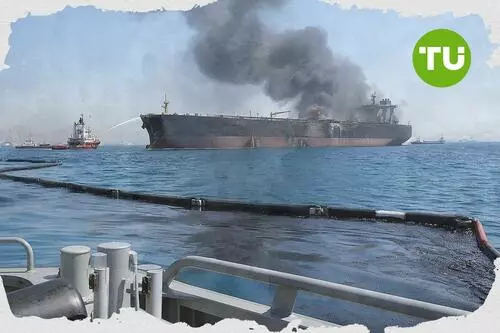
Tensions around commercial vessels have also increased. Two oil supertankers attempting to leave the strait were reportedly hit by projectiles in separate incidents, while the U.S. military was also reported to have targeted two Iranian tankers under a new retaliatory policy.
Diplomatic prospects appear limited. President Donald Trump has played down the likelihood that Washington is trying to force Tehran back into negotiations, while Iranian officials have also expressed skepticism about a near-term return to talks.
Hormuz remains the critical pressure point
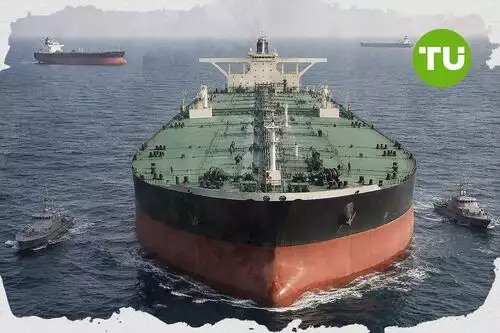
The Strait of Hormuz remains the biggest economic vulnerability in the conflict. Oil shipments had recovered to roughly half of prewar levels during the recent lull, but renewed attacks now threaten that progress.
The U.S. has said shipping lanes are open after mine-clearing operations, though those claims have reportedly been questioned by some allies. Iran, meanwhile, continues to hold considerable leverage over traffic through the waterway, which remains essential not only for crude exports but also for other commodities such as fertilizer and aluminum.
Markets price in a broader risk premium
The escalation has quickly spilled into financial markets. Oil prices moved higher as traders rebuilt a geopolitical premium around the risk of disrupted Gulf supply. Brent crude was trading at $95.48 a barrel, up 0.29%, while WTI stood at $90.72, up 0.03%, based on the latest market data provided.
The impact has extended beyond energy. Higher oil prices have revived inflation concerns, pushing global sovereign bond yields toward their highest levels since 2008 and strengthening expectations that the Federal Reserve could keep monetary policy tighter for longer. For investors, the immediate risk is no longer simply another round of military retaliation but a sustained conflict that raises energy costs, weakens risk appetite, and adds pressure across bond, equity, and currency markets.
As we previously reported, Kuwait and Qatar ramp up oil shipments through Hormuz.






Latest Iran war News



-
 Afghanistan
-
 Albania
-
 Algeria
-
 Angola
-
 Argentina
-
 Armenia
-
 Australia
-
 Austria
-
 Azerbaijan
-
 Bahamas
-
 Bahrain
-
 Bangladesh
-
 Belarus
-
 Belgium
-
 Bolivia
-
 Botswana
-
 Brazil
-
 Brunei
-
 Bulgaria
-
 Cambodia
-
 Cameroon
-
 Canada
-
 Chile
-
 China
-
 Colombia
-
 Congo
-
 Costa Rica
-
 Cote d'Ivoire
-
 Croatia
-
 Cuba
-
 Cyprus
-
 Czechia
-
 DR Congo
-
 Denmark
-
 Dominican Republic
-
 Ecuador
-
 Egypt
-
 El Salvador
-
 Estonia
-
 Eswatini
-
 Ethiopia
-
 Finland
-
 France
-
 Georgia
-
 Germany
-
 Ghana
-
 Greece
-
 Haiti
-
 Hong Kong
-
 Hungary
-
 India
-
 Indonesia
-
 Iran, Islamic republic
-
 Iraq
-
 Ireland
-
 Israel
-
 Italy
-
 Jamaica
-
 Japan
-
 Jordan
-
 Kazakhstan
-
 Kenya
-
 Korea
-
 Kuwait
-
 Kyrgyzstan
-
 Laos
-
 Latvia
-
 Lebanon
-
 Lesotho
-
 Libya
-
 Lithuania
-
 Luxembourg
-
 Madagascar
-
 Malaysia
-
 Malta
-
 Mauritius
-
 Mexico
-
 Moldova
-
 Mongolia
-
 Montenegro
-
 Morocco
-
 Mozambique
-
 Myanmar
-
 Namibia
-
 Nepal
-
 Netherlands
-
 New Zealand
-
 Nigeria
-
 North Macedonia
-
 Norway
-
 Oman
-
 Pakistan
-
 Palestine
-
 Panama
-
 Papua New Guinea
-
 Paraguay
-
 Peru
-
 Philippines
-
 Poland
-
 Portugal
-
 Puerto Rico
-
 Qatar
-
 Reunion
-
 Romania
-
 Rwanda
-
 Saudi Arabia
-
 Serbia
-
 Singapore
-
 Slovakia
-
 Slovenia
-
 Somalia
-
 South Africa
-
 Spain
-
 Sri Lanka
-
 Sweden
-
 Switzerland
-
 Syria
-
 Taiwan
-
 Tajikistan
-
 Tanzania
-
 Thailand
-
 Trinidad and Tobago
-
 Tunisia
-
 Turkey
-
 UAE
-
 Uganda
-
 Ukraine
-
 United Kingdom
-
United States
-
 Uruguay
-
 Uzbekistan
-
 Venezuela
-
 Vietnam
-
 Yemen
-
 Zambia
-
 Zimbabwe
- Forex
- Crypto












