

Venezuela outlines democratic transition and U.S. rapprochement after twin earthquakes

After twin earthquakes in June and a political crisis tied to tensions with the U.S., Venezuela says it is trying to rebuild its institutions and economy. Acting President Delcy Rodríguez tells the United Nations the country is pursuing a democratic transition while restoring international cooperation.
Highlights
- Vice President Rodríguez announces Venezuela's recovery agenda at the UN, following the June 24 double earthquake and a major U.S. dispute in 2026.
- Rodríguez confirms Venezuela and the U.S., under President Donald Trump, have signed a major agreement restarting diplomatic relations, focusing on energy, security, and anti-crime cooperation.
- Venezuela initiates a democratic transition with judicial reforms, opposition talks, and upcoming elections, seeking international support while emphasizing national sovereignty.
UN address sets out recovery agenda
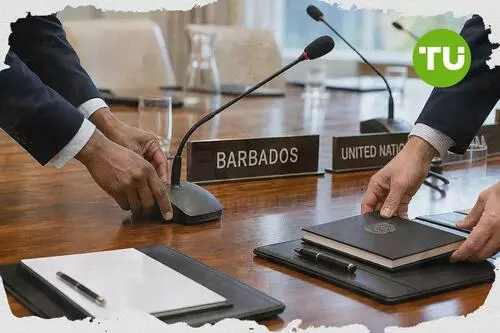
As reported by UN News, Rodríguez tells the UN General Assembly that Venezuela is emerging from two major shocks in 2026, a dispute involving the U.S. and a double earthquake that struck on 24 June.She says the country is entering a new phase of recovery that goes beyond physical reconstruction, arguing that rebuilding confidence in state institutions is central to national renewal. Rodríguez describes Venezuela as "being reborn" despite what she calls one of the darkest periods in its history.
In her remarks, she also welcomes what she describes as improved ties with Washington and thanks President Donald Trump and his administration for their willingness to resume diplomatic relations and cooperation. She says a recent agreement between Venezuela and the United States is among the most significant ever signed by the two countries, with dialogue focused on differences as well as cooperation in energy, security and efforts against transnational crime.
Transition plan carries regional and institutional stakes
Rodríguez says Venezuela has begun an "orderly, institutional, and verifiable" democratic transition that includes a review of state bodies, judicial reforms and talks with opposition groups.She tells delegates that elections will take place and says political discussions are under way to ensure all sides can compete on equal footing. She also calls on the international community to back the process while respecting Venezuela's sovereignty, framing the effort as a move from uncertainty and conflict toward a democracy recognized at home and abroad.
Rodríguez further thanks countries across the Americas, Europe, Asia, Africa and the Middle East, along with the broader UN system, for assistance after the earthquakes. The recovery effort, as she presents it, links humanitarian rebuilding with political stabilization, a combination likely to shape Venezuela's regional standing and its engagement with international partners.
In our earlier article on Senator Jeanne Shaheen’s meetings during the 81st UN General Assembly High Level Week, we covered her talks with foreign leaders and U.S. officials on security, diplomacy, and economic priorities. We also noted her message that sustained U.S. engagement at the UN matters for shaping global rules, supporting partners, and countering rival influence—an argument that frames how Washington approaches multilateral cooperation.






Latest UN Economy News


-
 Afghanistan
-
 Albania
-
 Algeria
-
 Angola
-
 Argentina
-
 Armenia
-
 Australia
-
 Austria
-
 Azerbaijan
-
 Bahamas
-
 Bahrain
-
 Bangladesh
-
 Belarus
-
 Belgium
-
 Bolivia
-
 Botswana
-
 Brazil
-
 Brunei
-
 Bulgaria
-
 Cambodia
-
 Cameroon
-
 Canada
-
 Chile
-
 China
-
 Colombia
-
 Congo
-
 Costa Rica
-
 Cote d'Ivoire
-
 Croatia
-
 Cuba
-
 Cyprus
-
 Czechia
-
 DR Congo
-
 Denmark
-
 Dominican Republic
-
 Ecuador
-
 Egypt
-
 El Salvador
-
 Estonia
-
 Eswatini
-
 Ethiopia
-
 Finland
-
 France
-
 Georgia
-
 Germany
-
 Ghana
-
 Greece
-
 Haiti
-
 Hong Kong
-
 Hungary
-
 India
-
 Indonesia
-
 Iran, Islamic republic
-
 Iraq
-
 Ireland
-
 Israel
-
 Italy
-
 Jamaica
-
 Japan
-
 Jordan
-
 Kazakhstan
-
 Kenya
-
 Korea
-
 Kuwait
-
 Kyrgyzstan
-
 Laos
-
 Latvia
-
 Lebanon
-
 Lesotho
-
 Libya
-
 Lithuania
-
 Luxembourg
-
 Madagascar
-
 Malaysia
-
 Malta
-
 Mauritius
-
 Mexico
-
 Moldova
-
 Mongolia
-
 Montenegro
-
 Morocco
-
 Mozambique
-
 Myanmar
-
 Namibia
-
 Nepal
-
 Netherlands
-
 New Zealand
-
 Nigeria
-
 North Macedonia
-
 Norway
-
 Oman
-
 Pakistan
-
 Palestine
-
 Panama
-
 Papua New Guinea
-
 Paraguay
-
 Peru
-
 Philippines
-
 Poland
-
 Portugal
-
 Puerto Rico
-
 Qatar
-
 Reunion
-
 Romania
-
 Rwanda
-
 Saudi Arabia
-
 Serbia
-
 Singapore
-
 Slovakia
-
 Slovenia
-
 Somalia
-
 South Africa
-
 Spain
-
 Sri Lanka
-
 Sweden
-
 Switzerland
-
 Syria
-
 Taiwan
-
 Tajikistan
-
 Tanzania
-
 Thailand
-
 Trinidad and Tobago
-
 Tunisia
-
 Turkey
-
 UAE
-
 Uganda
-
 Ukraine
-
 United Kingdom
-
United States
-
 Uruguay
-
 Uzbekistan
-
 Venezuela
-
 Vietnam
-
 Yemen
-
 Zambia
-
 Zimbabwe
- Forex
- Crypto












