

UK defends deterrence policy in OSCE statement on Russia and Black Sea security

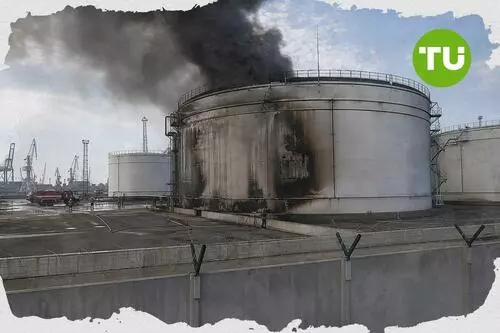
Black Sea security tensions remain in focus after attacks this week prompted the United Kingdom to voice solidarity with Bulgaria and Romania at the OSCE. London also says continued military support for Ukraine and higher NATO defence spending reflect a response to Russia's invasion, not a plan to attack Russia.
Highlights
- UK rejects Russia's legal basis for invoking Article 51 at the OSCE, insisting Ukraine did not attack and citing International Court of Justice rulings against Moscow.
- Britain asserts that increases in NATO defence spending and force posture since 2022 respond directly to Russia's invasion of Ukraine, not aggressive Western intent.
- UK highlights open-source analysis showing Russian military spending at a record 44 per cent of federal budget outlays in H1 2026, signalling intensifying war mobilisation.
OSCE remarks challenge Russia's legal case
According to the UK government, as stated in a statement delivered to the OSCE by Politico-Military Counsellor Arron Newble, Britain rejects Russia's presentation of Western deterrence measures as threats and says the Kremlin has failed to identify any armed attack that would justify invoking Article 51 of the UN Charter.The UK says Russia's recent presentation to the forum relied on selective citations built around a hypothetical Russian attack, while the remaining references concerned sanctions, diplomatic pressure or support for Ukraine's right to self-defence. In Britain's account, those measures amount to deterrence, which it describes as a signal that aggression will fail rather than a threat of offensive action.
London argues that NATO remains a defensive alliance and is not at war with Russia. It says increases in UK and allied defence spending, changes in force posture and NATO enlargement since 2022 all follow from Russia's full-scale invasion of Ukraine, adding that Moscow, not NATO, abandoned the 1997 commitment that the two sides did not regard each other as adversaries.
The statement also disputes Russia's legal justification for the war. The UK says Article 51 preserves self-defence only in response to an armed attack, and it maintains that Ukraine did not attack Russia. It adds that the UN General Assembly deplored Russia's aggression in 2022 and that the International Court of Justice ordered Moscow to suspend military operations immediately.
Defence spending and regional security implications
The UK further says states assisting Ukraine do not become parties to the conflict simply by providing lawful support to a country exercising self-defence under the UN Charter. It contrasts that with support for an aggressor in breach of international law and UN Security Council resolutions, citing the DPRK and Iran, and says efforts to list European civilian companies as potential targets amount to intimidation.Britain links Russia's messaging to domestic wartime mobilisation, pointing to open-source analysis that indicates military spending reaches a record 44 per cent of federal budget outlays in the first half of 2026. In the UK's view, that budget shift shows a society being reorganised around war and helps explain why the Kremlin portrays the West as a threat.
The statement ends with a direct challenge to the Russian delegation, asking what armed attack by Ukraine or any NATO ally Russia relies on to invoke Article 51. It says the route to lowering Europe's defence burden lies with Moscow through a full, immediate and unconditional ceasefire, withdrawal from Ukraine's internationally recognised territory and serious negotiations toward a just and lasting peace.
Our earlier article on European defence shares explained that major contractors’ stocks fell despite a tougher security backdrop and expectations of stronger profits through 2030. We noted that investors remain cautious because higher military budgets can take time to turn into firm orders, while procurement delays, borrowing costs and rapid technology shifts are complicating production plans and valuations across the sector.





Latest Sanctions News



-
 Afghanistan
-
 Albania
-
 Algeria
-
 Angola
-
 Argentina
-
 Armenia
-
 Australia
-
 Austria
-
 Azerbaijan
-
 Bahamas
-
 Bahrain
-
 Bangladesh
-
 Belarus
-
 Belgium
-
 Bolivia
-
 Botswana
-
 Brazil
-
 Brunei
-
 Bulgaria
-
 Cambodia
-
 Cameroon
-
 Canada
-
 Chile
-
 China
-
 Colombia
-
 Congo
-
 Costa Rica
-
 Cote d'Ivoire
-
 Croatia
-
 Cuba
-
 Cyprus
-
 Czechia
-
 DR Congo
-
 Denmark
-
 Dominican Republic
-
 Ecuador
-
 Egypt
-
 El Salvador
-
 Estonia
-
 Eswatini
-
 Ethiopia
-
 Finland
-
 France
-
 Georgia
-
 Germany
-
 Ghana
-
 Greece
-
 Haiti
-
 Hong Kong
-
 Hungary
-
 India
-
 Indonesia
-
 Iran, Islamic republic
-
 Iraq
-
 Ireland
-
 Israel
-
 Italy
-
 Jamaica
-
 Japan
-
 Jordan
-
 Kazakhstan
-
 Kenya
-
 Korea
-
 Kuwait
-
 Kyrgyzstan
-
 Laos
-
 Latvia
-
 Lebanon
-
 Lesotho
-
 Libya
-
 Lithuania
-
 Luxembourg
-
 Madagascar
-
 Malaysia
-
 Malta
-
 Mauritius
-
 Mexico
-
 Moldova
-
 Mongolia
-
 Montenegro
-
 Morocco
-
 Mozambique
-
 Myanmar
-
 Namibia
-
 Nepal
-
 Netherlands
-
 New Zealand
-
 Nigeria
-
 North Macedonia
-
 Norway
-
 Oman
-
 Pakistan
-
 Palestine
-
 Panama
-
 Papua New Guinea
-
 Paraguay
-
 Peru
-
 Philippines
-
 Poland
-
 Portugal
-
 Puerto Rico
-
 Qatar
-
 Reunion
-
 Romania
-
 Rwanda
-
 Saudi Arabia
-
 Serbia
-
 Singapore
-
 Slovakia
-
 Slovenia
-
 Somalia
-
 South Africa
-
 Spain
-
 Sri Lanka
-
 Sweden
-
 Switzerland
-
 Syria
-
 Taiwan
-
 Tajikistan
-
 Tanzania
-
 Thailand
-
 Trinidad and Tobago
-
 Tunisia
-
 Turkey
-
 UAE
-
 Uganda
-
 Ukraine
-
 United Kingdom
-
United States
-
 Uruguay
-
 Uzbekistan
-
 Venezuela
-
 Vietnam
-
 Yemen
-
 Zambia
-
 Zimbabwe
- Forex
- Crypto












