

Franco-German auto proposal raises risks for Europe’s car trade strategy

European policymakers are again debating how to shield the region’s car industry as pressure from Chinese competition and the transition to cleaner vehicles intensify. A new Franco-German discussion paper combines looser emissions rules, support for renewable-fuel vehicles and selective local-content preferences, drawing criticism that it could weaken the EU’s electric vehicle position.
Highlights
- Franco-German draft proposes easing the EU 2035 combustion-engine phaseout to a 90% emission cut and introduces multiyear compliance periods.
- The proposal suggests a new vehicle category for renewable-fuel-powered cars produced in Europe and recommends extending subsidy rules to the UK if full reciprocity is met.
- Critics warn the plan risks delaying the EV transition, potentially ceding electric vehicle industry leadership to China and increasing trade and industrial vulnerabilities for Europe.
Franco-German plan revives combustion engine debate
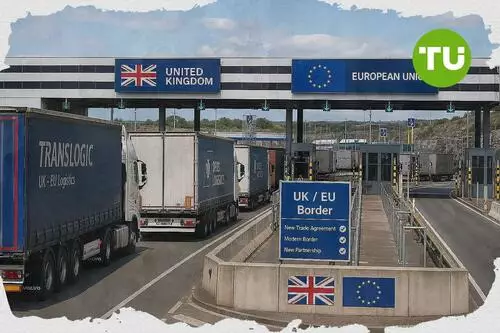
As reported by Financial Times, drafts of a new Franco-German paper on the auto industry propose easing the EU’s 2035 combustion-engine phaseout by allowing manufacturers to meet only a 90% cut in carbon emissions without offsetting the remaining share elsewhere, while also introducing multiyear target periods for greater flexibility.The document also outlines a new vehicle category powered exclusively by renewable fuels, including e-fuels and biofuels, provided those fuels are produced in Europe. In addition, it proposes extending “made in Europe” subsidy and public procurement rules for the car sector to the UK, while excluding Turkey, South Korea and Japan, if London agrees to full reciprocity with Brussels and aligns with EU conditions on third-country investment.
Transport & Environment, a clean-energy non-governmental organisation, criticises the plan sharply and argues that it risks ceding more of the electric vehicle industry to China. While the group also opposes allowing more Chinese batteries into the EU market, it says the bloc still needs a competitive EV industry to keep pace internationally.
Industry transition and trade implications
Support for extending the life of internal combustion engine production reflects political pressure in Germany, where smaller towns and Mittelstand suppliers linked to the auto chain are under strain. But critics argue that encouraging companies to preserve labour and investment in ageing engine technology delays adaptation to a market increasingly centred on EVs.The renewable-fuels element is also likely to deepen the divide over Europe’s industrial direction. Although e-fuels and biofuels can reduce emissions from combustion vehicles, opponents say they are less effective environmentally than EVs powered by renewable electricity and do not offer a durable long-term industrial path.
The broader concern is that Europe may be trying to protect legacy production rather than accelerate restructuring. That approach carries trade as well as industrial risks, especially if the EU pursues more managed trade arrangements while China continues to strengthen its position in electric vehicles and related supply chains.
In our earlier article on Mario Draghi’s warning about restrictive monetary policy, we outlined his argument that fighting inflation and containing debt should not come at the expense of the structural investment Europe needs for long-term growth and resilience. He stressed that keeping rates higher than growth for too long can worsen debt dynamics and deter productive investment, and he pointed to EU-wide market integration and targeted industrial policy—including a proposed €100bn budget allocation to support AI-related investment—as ways to protect future competitiveness.






Latest Trade Deals News



-
 Afghanistan
-
 Albania
-
 Algeria
-
 Angola
-
 Argentina
-
 Armenia
-
 Australia
-
 Austria
-
 Azerbaijan
-
 Bahamas
-
 Bahrain
-
 Bangladesh
-
 Belarus
-
 Belgium
-
 Bolivia
-
 Botswana
-
 Brazil
-
 Brunei
-
 Bulgaria
-
 Cambodia
-
 Cameroon
-
 Canada
-
 Chile
-
 China
-
 Colombia
-
 Congo
-
 Costa Rica
-
 Cote d'Ivoire
-
 Croatia
-
 Cuba
-
 Cyprus
-
 Czechia
-
 DR Congo
-
 Denmark
-
 Dominican Republic
-
 Ecuador
-
 Egypt
-
 El Salvador
-
 Estonia
-
 Eswatini
-
 Ethiopia
-
 Finland
-
 France
-
 Georgia
-
 Germany
-
 Ghana
-
 Greece
-
 Haiti
-
 Hong Kong
-
 Hungary
-
 India
-
 Indonesia
-
 Iran, Islamic republic
-
 Iraq
-
 Ireland
-
 Israel
-
 Italy
-
 Jamaica
-
 Japan
-
 Jordan
-
 Kazakhstan
-
 Kenya
-
 Korea
-
 Kuwait
-
 Kyrgyzstan
-
 Laos
-
 Latvia
-
 Lebanon
-
 Lesotho
-
 Libya
-
 Lithuania
-
 Luxembourg
-
 Madagascar
-
 Malaysia
-
 Malta
-
 Mauritius
-
 Mexico
-
 Moldova
-
 Mongolia
-
 Montenegro
-
 Morocco
-
 Mozambique
-
 Myanmar
-
 Namibia
-
 Nepal
-
 Netherlands
-
 New Zealand
-
 Nigeria
-
 North Macedonia
-
 Norway
-
 Oman
-
 Pakistan
-
 Palestine
-
 Panama
-
 Papua New Guinea
-
 Paraguay
-
 Peru
-
 Philippines
-
 Poland
-
 Portugal
-
 Puerto Rico
-
 Qatar
-
 Reunion
-
 Romania
-
 Rwanda
-
 Saudi Arabia
-
 Serbia
-
 Singapore
-
 Slovakia
-
 Slovenia
-
 Somalia
-
 South Africa
-
 Spain
-
 Sri Lanka
-
 Sweden
-
 Switzerland
-
 Syria
-
 Taiwan
-
 Tajikistan
-
 Tanzania
-
 Thailand
-
 Trinidad and Tobago
-
 Tunisia
-
 Turkey
-
 UAE
-
 Uganda
-
 Ukraine
-
 United Kingdom
-
United States
-
 Uruguay
-
 Uzbekistan
-
 Venezuela
-
 Vietnam
-
 Yemen
-
 Zambia
-
 Zimbabwe
- Forex
- Crypto












