

Gellert Global challenges Trump’s Canada tariffs in U.S. trade court

A new legal challenge is targeting President Donald Trump’s 50% tariffs on a range of Canadian goods under a rarely used U.S. trade law. The case seeks to void the measures and recover duties already paid, adding to broader litigation over the administration’s tariff powers.
Highlights
- Gellert Global Group files suit in U.S. Court of International Trade to overturn Trump’s 50% Section 338 tariffs and reclaim paid duties with interest.
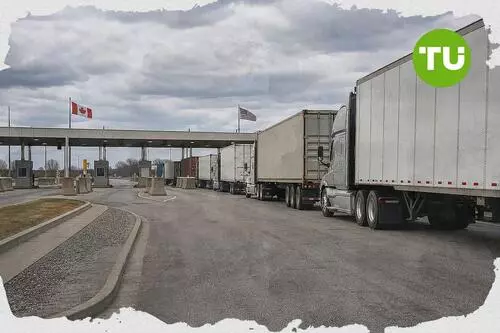
- Trump imposed Section 338 tariffs in July on Canadian products including cheese, hockey sticks, wine, and honey, alleging trade discrimination by Ottawa.
- The Liberty Justice Center's lawsuit questions presidential authority to unilaterally revive dormant trade laws, potentially impacting future tariff powers.
Legal challenge over Section 338 tariffs
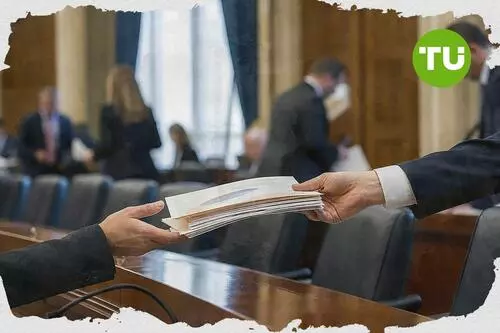
As reported by CNBC, Gellert Global Group, a New Jersey food importer, has sued in the U.S. Court of International Trade to have Trump’s Section 338 tariffs declared unlawful. The company is asking the court to block enforcement of the duties and order refunds, with interest, for tariffs already paid.Trump in July uses Section 338 of the Tariff Act of 1930 to impose 50% tariffs on Canadian hockey sticks, wine, honey, wigs and other products, citing alleged trade discrimination by Ottawa. The lawsuit argues the law is a relic of retaliation-based tariff policy that has been implicitly repealed by later legislation.
Gellert Global says its cheese imports are covered by the tariffs. The company is represented by the Liberty Justice Center, the same legal group that previously succeeded in challenging Trump’s reciprocal tariffs at the Supreme Court.
Broader implications for trade powers
The complaint adds to two other lawsuits the Liberty Justice Center is currently pursuing over what it describes as Trump’s misuse of statutory authority to impose sweeping tariffs. The latest case centers on whether a dormant law can be revived by the president without the limits set by Congress.In a statement issued Tuesday morning, Liberty Justice Center CEO Sara Albrecht says the dispute is about the powers of the presidency rather than the individual president. She says no president should be able to pull an unused statute off the shelf to impose broad tariffs or import bans without congressional limits.
The White House does not immediately respond to CNBC’s request for comment on the lawsuit.
In our earlier coverage of the WTO’s warning on lasting trade disruptions, we explained how conflicts and tariff shocks are prompting companies to redesign supply chains and shipping routes for resilience rather than cost. The WTO noted that these shifts could persist even after wars ease, as repeated disruptions—alongside waves of tariffs tied to Trump’s policies—push businesses and countries to diversify and regionalize trade.






Latest Tariffs News


-
 Afghanistan
-
 Albania
-
 Algeria
-
 Angola
-
 Argentina
-
 Armenia
-
 Australia
-
 Austria
-
 Azerbaijan
-
 Bahamas
-
 Bahrain
-
 Bangladesh
-
 Belarus
-
 Belgium
-
 Bolivia
-
 Botswana
-
 Brazil
-
 Brunei
-
 Bulgaria
-
 Cambodia
-
 Cameroon
-
 Canada
-
 Chile
-
 China
-
 Colombia
-
 Congo
-
 Costa Rica
-
 Cote d'Ivoire
-
 Croatia
-
 Cuba
-
 Cyprus
-
 Czechia
-
 DR Congo
-
 Denmark
-
 Dominican Republic
-
 Ecuador
-
 Egypt
-
 El Salvador
-
 Estonia
-
 Eswatini
-
 Ethiopia
-
 Finland
-
 France
-
 Georgia
-
 Germany
-
 Ghana
-
 Greece
-
 Haiti
-
 Hong Kong
-
 Hungary
-
 India
-
 Indonesia
-
 Iran, Islamic republic
-
 Iraq
-
 Ireland
-
 Israel
-
 Italy
-
 Jamaica
-
 Japan
-
 Jordan
-
 Kazakhstan
-
 Kenya
-
 Korea
-
 Kuwait
-
 Kyrgyzstan
-
 Laos
-
 Latvia
-
 Lebanon
-
 Lesotho
-
 Libya
-
 Lithuania
-
 Luxembourg
-
 Madagascar
-
 Malaysia
-
 Malta
-
 Mauritius
-
 Mexico
-
 Moldova
-
 Mongolia
-
 Montenegro
-
 Morocco
-
 Mozambique
-
 Myanmar
-
 Namibia
-
 Nepal
-
 Netherlands
-
 New Zealand
-
 Nigeria
-
 North Macedonia
-
 Norway
-
 Oman
-
 Pakistan
-
 Palestine
-
 Panama
-
 Papua New Guinea
-
 Paraguay
-
 Peru
-
 Philippines
-
 Poland
-
 Portugal
-
 Puerto Rico
-
 Qatar
-
 Reunion
-
 Romania
-
 Rwanda
-
 Saudi Arabia
-
 Serbia
-
 Singapore
-
 Slovakia
-
 Slovenia
-
 Somalia
-
 South Africa
-
 Spain
-
 Sri Lanka
-
 Sweden
-
 Switzerland
-
 Syria
-
 Taiwan
-
 Tajikistan
-
 Tanzania
-
 Thailand
-
 Trinidad and Tobago
-
 Tunisia
-
 Turkey
-
 UAE
-
 Uganda
-
 Ukraine
-
 United Kingdom
-
United States
-
 Uruguay
-
 Uzbekistan
-
 Venezuela
-
 Vietnam
-
 Yemen
-
 Zambia
-
 Zimbabwe
- Forex
- Crypto












