

British Columbia Conservatives back energy expansion after election win

Canada's push to expand oil and gas exports gains political support after British Columbia's Conservatives secure a majority in a breakthrough provincial election. The result strengthens Prime Minister Mark Carney's broader energy agenda as Ottawa seeks new markets beyond the U.S. amid trade tensions and tariff pressure.
Highlights
- British Columbia Conservative Party wins majority with 64 seats versus 27 for NDP, ending nine years of NDP rule and prompting David Eby's resignation.
- Premier-elect Lorne Doerkson vows to end emissions limits, replace the carbon tax, cut red tape, and urges reinvestment from ExxonMobil, Chevron, and Woodside.
- Doerkson backs a 1 million barrel-a-day oil pipeline from Alberta, pledges to double LNG production by 2032 and triple it by 2035, and confronts likely resistance from First Nations and environmental groups.
Election result reshapes provincial energy policy
As reported by the Financial Times, the British Columbia Conservative Party wins a majority in the province's election, ending nine years of New Democratic Party rule and giving leader Lorne Doerkson a mandate to pursue a more industry-friendly energy policy.Doerkson, 58, promises to end emissions limits and replace the province's carbon tax framework, while urging major energy groups including ExxonMobil, Chevron and Woodside to reinvest in British Columbia. In his victory speech on Saturday night, he says he believes in energy and will cut red tape aggressively.
On Sunday morning, with almost all votes counted, results show 64 Conservatives elected, 27 for the New Democratic Party and two for the Greens. Former premier David Eby resigns late on Saturday after projections indicate a Conservative victory in the snap election he had called two years early.
Implications for Canadian exports and regional tensions
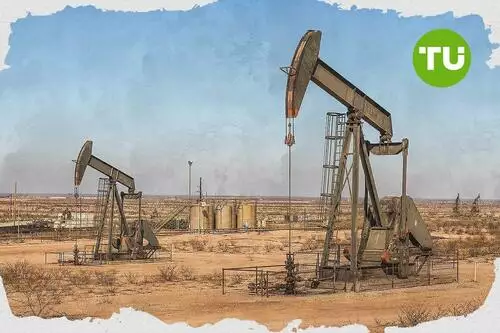
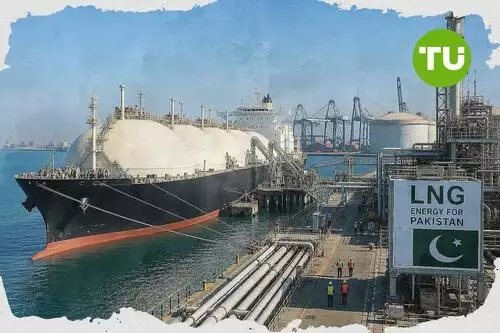
Doerkson backs Carney's plan for a 1 million barrel-a-day oil pipeline from Alberta to British Columbia and pledges to double the province's LNG production by 2032 and triple it by 2035. The provincial shift gives added momentum to Carney's ambition to position Canada as an energy superpower and expand access to Asian buyers through British Columbia's west coast.Canada supplies about 60 per cent of U.S. oil imports, or roughly 4 million barrels a day, with most production coming from Alberta's oil sands. But President Donald Trump's tariffs on Canada, the U.S.'s second-biggest trading partner, push Ottawa to look for new customers as the trade war also hits British Columbia's forestry sector.
Carney says on X that he looks forward to working with Doerkson to unleash Canada's full potential as an energy superpower. Doerkson nevertheless faces likely resistance from First Nations and environmental groups, which view the Conservatives' deregulation and reform agenda as conflicting with federal laws.
In our earlier article on the surge in crude oil shipping costs, we explained how conflict-related risks in key routes are pushing tanker and insurance rates sharply higher and making freight a much larger component of oil prices. We also noted that the knock-on effects can spread from fuel costs into broader consumer prices, while import-dependent markets and spot buyers feel the most immediate pressure.






Latest Natural Gas News



-
 Afghanistan
-
 Albania
-
 Algeria
-
 Angola
-
 Argentina
-
 Armenia
-
 Australia
-
 Austria
-
 Azerbaijan
-
 Bahamas
-
 Bahrain
-
 Bangladesh
-
 Belarus
-
 Belgium
-
 Bolivia
-
 Botswana
-
 Brazil
-
 Brunei
-
 Bulgaria
-
 Cambodia
-
 Cameroon
-
 Canada
-
 Chile
-
 China
-
 Colombia
-
 Congo
-
 Costa Rica
-
 Cote d'Ivoire
-
 Croatia
-
 Cuba
-
 Cyprus
-
 Czechia
-
 DR Congo
-
 Denmark
-
 Dominican Republic
-
 Ecuador
-
 Egypt
-
 El Salvador
-
 Estonia
-
 Eswatini
-
 Ethiopia
-
 Finland
-
 France
-
 Georgia
-
 Germany
-
 Ghana
-
 Greece
-
 Haiti
-
 Hong Kong
-
 Hungary
-
 India
-
 Indonesia
-
 Iran, Islamic republic
-
 Iraq
-
 Ireland
-
 Israel
-
 Italy
-
 Jamaica
-
 Japan
-
 Jordan
-
 Kazakhstan
-
 Kenya
-
 Korea
-
 Kuwait
-
 Kyrgyzstan
-
 Laos
-
 Latvia
-
 Lebanon
-
 Lesotho
-
 Libya
-
 Lithuania
-
 Luxembourg
-
 Madagascar
-
 Malaysia
-
 Malta
-
 Mauritius
-
 Mexico
-
 Moldova
-
 Mongolia
-
 Montenegro
-
 Morocco
-
 Mozambique
-
 Myanmar
-
 Namibia
-
 Nepal
-
 Netherlands
-
 New Zealand
-
 Nigeria
-
 North Macedonia
-
 Norway
-
 Oman
-
 Pakistan
-
 Palestine
-
 Panama
-
 Papua New Guinea
-
 Paraguay
-
 Peru
-
 Philippines
-
 Poland
-
 Portugal
-
 Puerto Rico
-
 Qatar
-
 Reunion
-
 Romania
-
 Rwanda
-
 Saudi Arabia
-
 Serbia
-
 Singapore
-
 Slovakia
-
 Slovenia
-
 Somalia
-
 South Africa
-
 Spain
-
 Sri Lanka
-
 Sweden
-
 Switzerland
-
 Syria
-
 Taiwan
-
 Tajikistan
-
 Tanzania
-
 Thailand
-
 Trinidad and Tobago
-
 Tunisia
-
 Turkey
-
 UAE
-
 Uganda
-
 Ukraine
-
 United Kingdom
-
United States
-
 Uruguay
-
 Uzbekistan
-
 Venezuela
-
 Vietnam
-
 Yemen
-
 Zambia
-
 Zimbabwe
- Forex
- Crypto












