

Russia opens Arctic grain export route as Black Sea trade stalls

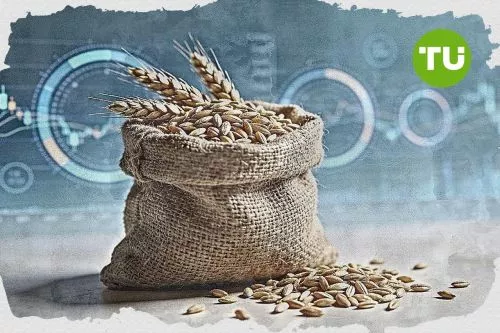
Disruption to Russia's traditional seaborne grain corridors is pushing exporters to test new logistics options beyond the Black Sea and Baltic routes. The shift includes a first grain shipment through Murmansk, reviving an Arctic wartime corridor as Moscow seeks to protect sales to customers in the Middle East and Asia.
Highlights
- Murmansk Commercial Seaport and Demetra Holding commenced Russia's first Arctic shipment with 3,400 metric tons of grain as Black Sea routes face disruptions.
- Russia plans to load 28,000 metric tons of wheat for Morocco from Murmansk and subsidizes rail to redirect grain from southern regions amid export challenges.
- Over 1.2 million tons, or more than 60% of Russia's seaborne grain exports in September, moved through Baltic ports repurposed for grain despite warnings of potential NATO risks.
Murmansk shipment expands export logistics
As reported by Reuters, Murmansk Commercial Seaport and Demetra Holding say the first shipment of 3,400 metric tons of grain from key agricultural regions is being loaded onto a vessel. The move marks Russia's first use of the Arctic World War II shipping route for grain exports as attacks on ports and vessels continue to disrupt Black Sea trade.Murmansk, nearly 2,000 km north of Moscow near the border with Norway, can be approached through neutral waters. The port says it is opening an alternative route to foreign markets for Russian farmers at a time when traditional export corridors face restrictions.
According to shipping data and a market source, around 28,000 metric tons of wheat are due to be loaded onto a vessel bound for Morocco's Casablanca port. Russia has also been subsidising rail transport from fertile southern regions to redirect cargo toward other seaborne outlets.
Baltic risks add pressure on grain flows
Russia and Ukraine have been attacking each other's ports and vessels since the grain marketing season started in July, bringing what was once a booming Black Sea agricultural trade to a standstill. Russia, the world's largest wheat exporter, is trying to preserve supply links with major buyers in the Middle East and Asia while saying it is no longer interested in a new Black Sea grain deal.Much of the rerouted trade is moving through Baltic Sea ports, which handle 1.2 million tons in September, or more than 60% of all seaborne grain exports. Companies are repurposing fertiliser and coal terminals to handle grain, but some Kremlin officials warn of risks from potential hostile actions by European NATO member states in the region.
Russia's ties with Europe have deteriorated in recent months as the Kremlin accuses European countries of direct military involvement in Ukraine, an accusation European governments reject. Turkey and the United Nations previously helped broker the Black Sea Grain Initiative in July 2022, but Russia withdrew from the agreement in 2023, saying its own food and fertiliser exports faced obstacles.
In our earlier article on Black Sea shipping attacks near Romania’s Danube approach, we covered two chemical tankers that caught fire and the ensuing search for missing crew members, underscoring how quickly maritime security has deteriorated. We also noted that a string of drone-related incidents in the area was raising fears of further disruption to regional commodity flows, especially grain exports, and prompting discussions in Europe about measures to protect civilian shipping.






Latest Wheat News



-
 Afghanistan
-
 Albania
-
 Algeria
-
 Angola
-
 Argentina
-
 Armenia
-
 Australia
-
 Austria
-
 Azerbaijan
-
 Bahamas
-
 Bahrain
-
 Bangladesh
-
 Belarus
-
 Belgium
-
 Bolivia
-
 Botswana
-
 Brazil
-
 Brunei
-
 Bulgaria
-
 Cambodia
-
 Cameroon
-
 Canada
-
 Chile
-
 China
-
 Colombia
-
 Congo
-
 Costa Rica
-
 Cote d'Ivoire
-
 Croatia
-
 Cuba
-
 Cyprus
-
 Czechia
-
 DR Congo
-
 Denmark
-
 Dominican Republic
-
 Ecuador
-
 Egypt
-
 El Salvador
-
 Estonia
-
 Eswatini
-
 Ethiopia
-
 Finland
-
 France
-
 Georgia
-
 Germany
-
 Ghana
-
 Greece
-
 Haiti
-
 Hong Kong
-
 Hungary
-
 India
-
 Indonesia
-
 Iran, Islamic republic
-
 Iraq
-
 Ireland
-
 Israel
-
 Italy
-
 Jamaica
-
 Japan
-
 Jordan
-
 Kazakhstan
-
 Kenya
-
 Korea
-
 Kuwait
-
 Kyrgyzstan
-
 Laos
-
 Latvia
-
 Lebanon
-
 Lesotho
-
 Libya
-
 Lithuania
-
 Luxembourg
-
 Madagascar
-
 Malaysia
-
 Malta
-
 Mauritius
-
 Mexico
-
 Moldova
-
 Mongolia
-
 Montenegro
-
 Morocco
-
 Mozambique
-
 Myanmar
-
 Namibia
-
 Nepal
-
 Netherlands
-
 New Zealand
-
 Nigeria
-
 North Macedonia
-
 Norway
-
 Oman
-
 Pakistan
-
 Palestine
-
 Panama
-
 Papua New Guinea
-
 Paraguay
-
 Peru
-
 Philippines
-
 Poland
-
 Portugal
-
 Puerto Rico
-
 Qatar
-
 Reunion
-
 Romania
-
 Rwanda
-
 Saudi Arabia
-
 Serbia
-
 Singapore
-
 Slovakia
-
 Slovenia
-
 Somalia
-
 South Africa
-
 Spain
-
 Sri Lanka
-
 Sweden
-
 Switzerland
-
 Syria
-
 Taiwan
-
 Tajikistan
-
 Tanzania
-
 Thailand
-
 Trinidad and Tobago
-
 Tunisia
-
 Turkey
-
 UAE
-
 Uganda
-
 Ukraine
-
 United Kingdom
-
United States
-
 Uruguay
-
 Uzbekistan
-
 Venezuela
-
 Vietnam
-
 Yemen
-
 Zambia
-
 Zimbabwe
- Forex
- Crypto












