

U.S., Armenia and Azerbaijan launch technical groups for regional transit corridor

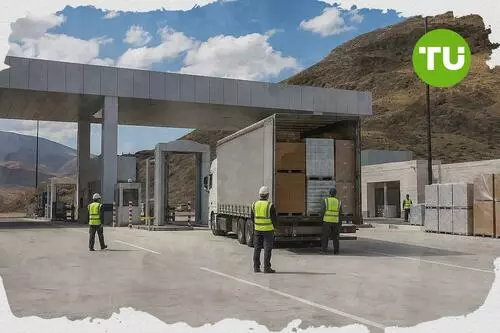
Regional diplomatic efforts are moving into an implementation phase as the U.S., Armenia and Azerbaijan set up joint technical groups for a planned multimodal transit route. The initiative focuses first on transportation and electricity transmission, linking economic cooperation with the broader peace framework outlined at the August 8, 2025 summit.
Highlights
- U.S., Armenia, and Azerbaijan launched Trilateral Technical Planning Groups to advance the Trump Route for International Peace and Prosperity (TRIPP) multimodal transit corridor.
- The first two groups will focus on transportation and electricity transmission, aiming to resolve technical issues ahead of implementing cross-border infrastructure links.
- Progress on TRIPP shifts from political agreements to operational planning, potentially enhancing regional freight, power integration, and commercial activity among Armenia, Azerbaijan, and external markets.
Technical planning shifts corridor effort forward
As reported by the U.S. Department of State, U.S. Assistant Secretary of State for European and Eurasian Affairs Brendan Hanrahan, Armenian Deputy Foreign Minister Vahan Kostanyan and Azerbaijani Deputy Foreign Minister Elnur Mammadov launch Trilateral Technical Planning Groups to advance the Trump Route for International Peace and Prosperity, or TRIPP.The forum brings together policymakers and technical experts from the three countries to work on a multimodal transit route intended to support long-term stability, economic vitality, regional connectivity and commercial activity across the region. The joint statement says the process underscores the August 8, 2025, Peace Summit Declaration brokered by President Trump.
The parties agree to inaugurate the first two planning groups in transportation and electricity transmission. The statement says those groups are designed to address complex technical issues and prepare the next phases of implementation, including connections with other regional infrastructure.
Regional connectivity and economic implications
The launch of the technical groups signals a shift from political commitments to operational planning for cross-border infrastructure and trade links in the South Caucasus. If carried through, the work could improve freight movement, power interconnection and broader commercial integration between Armenia, Azerbaijan and external markets.The sides also reaffirm their commitments to the expeditious operationalization of all modalities of TRIPP. That keeps the emphasis on turning a peace-linked diplomatic initiative into a functioning transport and energy platform with potential regional business and investment implications.
Black Sea shipping risks near Romania’s Danube approach intensified after two chemical tankers caught fire, leaving crew missing and triggering difficult rescue efforts. In our earlier article, we noted that the wider escalation of attacks on civilian shipping is raising the risk premium for a key regional trade and grain-export route and is prompting discussions on measures to protect maritime flows.






Latest Armenia News




-
 Afghanistan
-
 Albania
-
 Algeria
-
 Angola
-
 Argentina
-
 Armenia
-
 Australia
-
 Austria
-
 Azerbaijan
-
 Bahamas
-
 Bahrain
-
 Bangladesh
-
 Belarus
-
 Belgium
-
 Bolivia
-
 Botswana
-
 Brazil
-
 Brunei
-
 Bulgaria
-
 Cambodia
-
 Cameroon
-
 Canada
-
 Chile
-
 China
-
 Colombia
-
 Congo
-
 Costa Rica
-
 Cote d'Ivoire
-
 Croatia
-
 Cuba
-
 Cyprus
-
 Czechia
-
 DR Congo
-
 Denmark
-
 Dominican Republic
-
 Ecuador
-
 Egypt
-
 El Salvador
-
 Estonia
-
 Eswatini
-
 Ethiopia
-
 Finland
-
 France
-
 Georgia
-
 Germany
-
 Ghana
-
 Greece
-
 Haiti
-
 Hong Kong
-
 Hungary
-
 India
-
 Indonesia
-
 Iran, Islamic republic
-
 Iraq
-
 Ireland
-
 Israel
-
 Italy
-
 Jamaica
-
 Japan
-
 Jordan
-
 Kazakhstan
-
 Kenya
-
 Korea
-
 Kuwait
-
 Kyrgyzstan
-
 Laos
-
 Latvia
-
 Lebanon
-
 Lesotho
-
 Libya
-
 Lithuania
-
 Luxembourg
-
 Madagascar
-
 Malaysia
-
 Malta
-
 Mauritius
-
 Mexico
-
 Moldova
-
 Mongolia
-
 Montenegro
-
 Morocco
-
 Mozambique
-
 Myanmar
-
 Namibia
-
 Nepal
-
 Netherlands
-
 New Zealand
-
 Nigeria
-
 North Macedonia
-
 Norway
-
 Oman
-
 Pakistan
-
 Palestine
-
 Panama
-
 Papua New Guinea
-
 Paraguay
-
 Peru
-
 Philippines
-
 Poland
-
 Portugal
-
 Puerto Rico
-
 Qatar
-
 Reunion
-
 Romania
-
 Rwanda
-
 Saudi Arabia
-
 Serbia
-
 Singapore
-
 Slovakia
-
 Slovenia
-
 Somalia
-
 South Africa
-
 Spain
-
 Sri Lanka
-
 Sweden
-
 Switzerland
-
 Syria
-
 Taiwan
-
 Tajikistan
-
 Tanzania
-
 Thailand
-
 Trinidad and Tobago
-
 Tunisia
-
 Turkey
-
 UAE
-
 Uganda
-
 Ukraine
-
 United Kingdom
-
United States
-
 Uruguay
-
 Uzbekistan
-
 Venezuela
-
 Vietnam
-
 Yemen
-
 Zambia
-
 Zimbabwe
- Forex
- Crypto












