

Ikizkoy villagers press COP31 leaders to inspect coal mining impact in Turkey

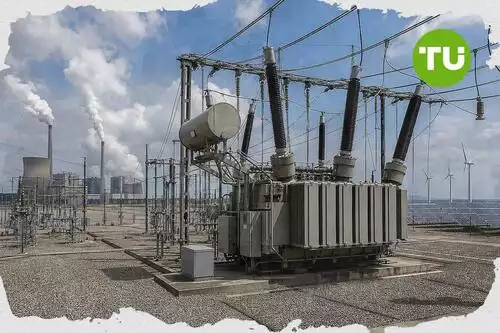
As COP31 opens in Turkey with cleaner energy high on the agenda, residents of Ikizkoy are urging visiting leaders to travel beyond the summit venue and witness the damage they say decades of lignite mining have inflicted on their community. The appeal links local environmental and social costs to Turkey’s wider power mix, where coal remains the country’s biggest source of electricity.
Highlights
- Villagers near Akbelen forest urge COP31 leaders in Antalya to address environmental and social impacts of local lignite mining expansion.
- Coal supplied 34% of Turkey's electricity in 2023, with mines feeding Yenikoy and Kemerkoy plants providing just over 2% of national power output.
- Human Rights Watch reported arbitrary arrests and prosecutions of Akbelen environmental protesters, with residents facing fines, detentions, and court cases.
Coal expansion dispute reaches COP31 agenda
As reported by BusinessWorld, citing Reuters, villagers living near the Akbelen forest in Mugla province say the UN climate summit in Antalya should confront the local consequences of lignite extraction as well as broader energy transition goals. Local official Nejla Isik says heads of state and UN officials need to visit Ikizkoy, a few hundred kilometers west of the conference venue, to see the effect of coal mining on nature and daily life.Isik says her home stands only a few hundred meters from a lignite mine that has moved closer over decades of expansion. Villagers and environmental campaigners opposing further mining say the activity has destroyed forest areas and threatens olive groves, farmland and nearby communities.
One of the prominent aims at COP31 is to agree a voluntary goal on greater electrification, proposed by host country Turkey, but activists argue that higher electricity use will not reduce emissions unless the power comes from low-carbon sources. Lignite, the lowest grade of coal, releases more carbon dioxide when burned than more energy-dense coal.
Energy and rights tensions shape local fallout
Coal generated 34% of Turkey’s electricity last year, according to energy think tank Ember, making the country Europe’s biggest coal-fired power generator. The Akbelen-area mines supply the nearby Yenikoy and Kemerkoy plants, operated by Yenikoy-Kemerkoy Energy, a joint venture involving Limak and IC Ictas, and the operator’s website says the plants produce just over 2% of Turkey’s power.At a meeting with foreign media on Thursday, Energy Minister Alparslan Bayraktar says Turkey is working on a just transition to cleaner energy, although he adds that the shift is difficult because the mines employ thousands of people. He says nuclear power offers the most viable alternative, with Ankara targeting 10 gigawatts of nuclear generation capacity by 2040, roughly equal to current coal-powered output according to Reuters calculations.
The dispute has also drawn scrutiny over protest restrictions in Turkey. Human Rights Watch says in an October report that authorities arbitrarily arrested and prosecuted environmental protesters in Akbelen and elsewhere, while the government says police intervene when demonstrations are unlawful or threaten public order.
Residents describe fines, detentions and court cases linked to protests against expropriation and tree felling. Esra Isik, the daughter of Nejla Isik, spent 42 days in pretrial detention after a protest and was sentenced in July to two years in prison for resisting public officials, though she remains free pending appeal.
S&P Global Ratings’ analysis of sovereign resilience in a higher-rate environment examined how persistent geopolitical shocks and elevated public spending are raising borrowing and refinancing risks for governments. Our publication previously noted that conflicts such as the Russia-Ukraine war and fighting in the Middle East have helped drive energy and food price spikes, adding to inflation and straining public finances—pressures that can complicate policy choices in energy-dependent economies.






Latest Turkey News


-
 Afghanistan
-
 Albania
-
 Algeria
-
 Angola
-
 Argentina
-
 Armenia
-
 Australia
-
 Austria
-
 Azerbaijan
-
 Bahamas
-
 Bahrain
-
 Bangladesh
-
 Belarus
-
 Belgium
-
 Bolivia
-
 Botswana
-
 Brazil
-
 Brunei
-
 Bulgaria
-
 Cambodia
-
 Cameroon
-
 Canada
-
 Chile
-
 China
-
 Colombia
-
 Congo
-
 Costa Rica
-
 Cote d'Ivoire
-
 Croatia
-
 Cuba
-
 Cyprus
-
 Czechia
-
 DR Congo
-
 Denmark
-
 Dominican Republic
-
 Ecuador
-
 Egypt
-
 El Salvador
-
 Estonia
-
 Eswatini
-
 Ethiopia
-
 Finland
-
 France
-
 Georgia
-
 Germany
-
 Ghana
-
 Greece
-
 Haiti
-
 Hong Kong
-
 Hungary
-
 India
-
 Indonesia
-
 Iran, Islamic republic
-
 Iraq
-
 Ireland
-
 Israel
-
 Italy
-
 Jamaica
-
 Japan
-
 Jordan
-
 Kazakhstan
-
 Kenya
-
 Korea
-
 Kuwait
-
 Kyrgyzstan
-
 Laos
-
 Latvia
-
 Lebanon
-
 Lesotho
-
 Libya
-
 Lithuania
-
 Luxembourg
-
 Madagascar
-
 Malaysia
-
 Malta
-
 Mauritius
-
 Mexico
-
 Moldova
-
 Mongolia
-
 Montenegro
-
 Morocco
-
 Mozambique
-
 Myanmar
-
 Namibia
-
 Nepal
-
 Netherlands
-
 New Zealand
-
 Nigeria
-
 North Macedonia
-
 Norway
-
 Oman
-
 Pakistan
-
 Palestine
-
 Panama
-
 Papua New Guinea
-
 Paraguay
-
 Peru
-
 Philippines
-
 Poland
-
 Portugal
-
 Puerto Rico
-
 Qatar
-
 Reunion
-
 Romania
-
 Rwanda
-
 Saudi Arabia
-
 Serbia
-
 Singapore
-
 Slovakia
-
 Slovenia
-
 Somalia
-
 South Africa
-
 Spain
-
 Sri Lanka
-
 Sweden
-
 Switzerland
-
 Syria
-
 Taiwan
-
 Tajikistan
-
 Tanzania
-
 Thailand
-
 Trinidad and Tobago
-
 Tunisia
-
 Turkey
-
 UAE
-
 Uganda
-
 Ukraine
-
 United Kingdom
-
United States
-
 Uruguay
-
 Uzbekistan
-
 Venezuela
-
 Vietnam
-
 Yemen
-
 Zambia
-
 Zimbabwe
- Forex
- Crypto












