

U.S. outlines sanctions-led Iran strategy after G7 talks in Paris

Following a G7 meeting in Paris on November 10, 2026, the U.S. administration says economic pressure on Iran remains its main tool for addressing regional tensions. Secretary of State Marco Rubio says the measures are weakening Iran's economy while the U.S. also pursues talks with European partners on Ukraine and support for Gulf allies.
Highlights
- U.S. Department of State outlines a sanctions-led Iran strategy aiming to intensify economic pressure and compel Tehran back to negotiations without security concessions.
- Rubio reports productive Ukraine talks in Abu Dhabi involving European partners, with focus on both swift conflict resolution and future security guarantees.
- U.S. supports Gulf allies facing economic disruption from Iran conflict, notes shrinking Iranian oil supply could reduce Chinese imports, affecting broader markets.
Sanctions strategy and diplomatic stance
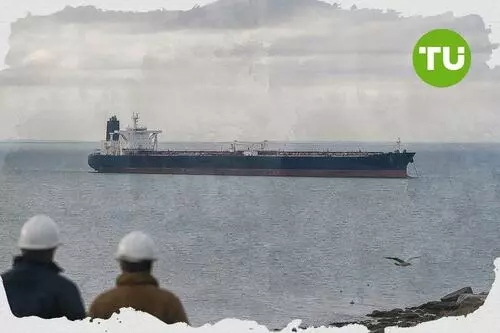
As reported by U.S. Department of State, Rubio says the current sanctions and blockade on Iran are effectively crippling the country's economy, reducing the need for major U.S. military combat operations at this time. He says Washington's objective is to use economic pressure to bring Tehran back to the negotiating table without offering concessions that harm U.S. national security or the interests of its allies.Rubio argues that Iran's leadership bears responsibility for the country's worsening socioeconomic conditions and says the pressure is expected to intensify over time. He also defends the administration's broader posture, saying the President is acting within his authority to protect U.S. interests and respond to imminent threats.
Ukraine talks and Gulf stability concerns
On Ukraine, Rubio says discussions in Abu Dhabi are productive and include European partners alongside the United States, particularly on future arrangements that would give Europe representation in negotiations. He says substantial work remains, but the goal is both a rapid end to the war and longer-term security for Ukraine.Rubio also addresses concerns from Gulf allies about the economic disruption tied to the conflict with Iran and says the U.S. is supporting regional partners as they seek to preserve stability amid threats from Iranian-backed groups. He adds that shrinking Iranian oil supplies could also curb future purchases by China, pointing to wider market implications from the sanctions campaign.
As we previously wrote, the IMF warned that Middle East conflict risks could disrupt energy and trade flows and drag on regional growth.






Latest Sanctions News



-
 Afghanistan
-
 Albania
-
 Algeria
-
 Angola
-
 Argentina
-
 Armenia
-
 Australia
-
 Austria
-
 Azerbaijan
-
 Bahamas
-
 Bahrain
-
 Bangladesh
-
 Belarus
-
 Belgium
-
 Bolivia
-
 Botswana
-
 Brazil
-
 Brunei
-
 Bulgaria
-
 Cambodia
-
 Cameroon
-
 Canada
-
 Chile
-
 China
-
 Colombia
-
 Congo
-
 Costa Rica
-
 Cote d'Ivoire
-
 Croatia
-
 Cuba
-
 Cyprus
-
 Czechia
-
 DR Congo
-
 Denmark
-
 Dominican Republic
-
 Ecuador
-
 Egypt
-
 El Salvador
-
 Estonia
-
 Eswatini
-
 Ethiopia
-
 Finland
-
 France
-
 Georgia
-
 Germany
-
 Ghana
-
 Greece
-
 Haiti
-
 Hong Kong
-
 Hungary
-
 India
-
 Indonesia
-
 Iran, Islamic republic
-
 Iraq
-
 Ireland
-
 Israel
-
 Italy
-
 Jamaica
-
 Japan
-
 Jordan
-
 Kazakhstan
-
 Kenya
-
 Korea
-
 Kuwait
-
 Kyrgyzstan
-
 Laos
-
 Latvia
-
 Lebanon
-
 Lesotho
-
 Libya
-
 Lithuania
-
 Luxembourg
-
 Madagascar
-
 Malaysia
-
 Malta
-
 Mauritius
-
 Mexico
-
 Moldova
-
 Mongolia
-
 Montenegro
-
 Morocco
-
 Mozambique
-
 Myanmar
-
 Namibia
-
 Nepal
-
 Netherlands
-
 New Zealand
-
 Nigeria
-
 North Macedonia
-
 Norway
-
 Oman
-
 Pakistan
-
 Palestine
-
 Panama
-
 Papua New Guinea
-
 Paraguay
-
 Peru
-
 Philippines
-
 Poland
-
 Portugal
-
 Puerto Rico
-
 Qatar
-
 Reunion
-
 Romania
-
 Rwanda
-
 Saudi Arabia
-
 Serbia
-
 Singapore
-
 Slovakia
-
 Slovenia
-
 Somalia
-
 South Africa
-
 Spain
-
 Sri Lanka
-
 Sweden
-
 Switzerland
-
 Syria
-
 Taiwan
-
 Tajikistan
-
 Tanzania
-
 Thailand
-
 Trinidad and Tobago
-
 Tunisia
-
 Turkey
-
 UAE
-
 Uganda
-
 Ukraine
-
 United Kingdom
-
United States
-
 Uruguay
-
 Uzbekistan
-
 Venezuela
-
 Vietnam
-
 Yemen
-
 Zambia
-
 Zimbabwe
- Forex
- Crypto












